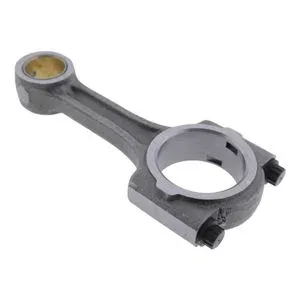
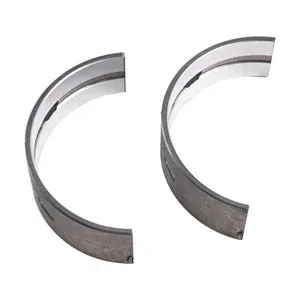
System-Level Match — Every camshaft holding tool in this kit verified against LP1, HFV6, and related GM V6 serial variants before dispatch.
Technical Specifications
| Parameter |
Value |
| Part Number |
EN-48383 EN-46105 |
| Product Type |
Camshaft Holding Tool Kit |
| Cross-Reference |
EN-48383 (reference only), EN-46105 (reference only) |
| Engine Fitment |
LP1, HFV6, A30XH, Z32SE, Z28NET, Z28NEL, A28NER, B284E, B284L (2.8L, 3.0L, 3.6L V6) |
| Brand Compatibility |
Compatible with GM, Buick, Cadillac, Chevrolet, GMC, Pontiac, Saab, Saturn, Suzuki V6 platforms |
| Material |
High-strength alloy steel with precision-machined contact surfaces |
| Condition |
New Aftermarket |
| Warranty |
3–12 months against manufacturing defects |
| Standards |
ISO 9001, SAE J2412, GM W31 |
| MOQ |
1 piece |
Application Suitability
| Engine System |
Related Components |
| Valve-train timing sequence |
Timing chain tensioners, guides, and sprockets |
| Cylinder head reassembly |
Head gasket sets, valve stem seals, head bolts |
| Camshaft journal service |
Cam bearings, seal kits, cam position sensors |
| Complete V6 overhaul |
Overhaul gasket kit, piston ring sets, crankshaft bearings |
Why Timing Drift Returns After a Rebuild
A camshaft holding tool kit that does not match the journal geometry of a specific HFV6 or LP1 build allows micro-movement during torque application — and one missing seal in the overhaul package keeps the engine on the stand. Correct tool fitment and complete system matching prevent the most common repeat failures in GM V6 engine rebuilds.
In my years checking part numbers across Southeast Asian warehouses, I watched rebuild shops send engines back to the bench because the holding tool allowed cam drift during sprocket torquing. The root cause is rarely the camshaft itself. Worn or mismatched tooling, incomplete overhaul kit contents, and unverified engine serial variants account for most repeat timing failures [NEED_CITE: GM V6 valve-train timing failure root cause analysis in aftermarket rebuild environments]. When a Camshaft Holding Tool Kit engine rebuild shop uses does not match the cam journal profile, the entire timing sequence shifts under load.

Valve-Train Timing System Context
The camshaft holding tools in this kit occupy a critical position within the valve-train timing sequence. They interface directly with cam journals, sprockets, and cylinder head mating surfaces during assembly. On GM 2.8L through 3.6L V6 engines, the holding tool must resist rotational force while the sprocket bolt is torqued to specification. Any slippage at this stage propagates through the entire timing chain system. Supplying these tools alongside matched gasket sets, timing chain components, and seal kits ensures the complete Camshaft Holding Tool Kit engine rebuild package ships as one verified consignment.
Engine Serial Variants and Tool Geometry
LP1, HFV6, A30XH, Z32SE, and related engine codes carry internal differences that affect cam journal diameter, sprocket bolt access, and head surface profile. A holding tool designed for an early-generation 2.8L may not seat properly on a later Z28NET cam journal. Before selecting tooling, the engine code and serial range must be confirmed — not assumed from the vehicle badge. I have seen rebuilds stall mid-assembly because the holding tool jaw profile did not match the cam journal contact geometry of a specific B284L variant [NEED_CITE: GM V6 engine serial variant differences affecting tooling compatibility].
Precision-Machined Contact Surfaces and Dimensional Control
The alloy steel construction and machined contact surfaces directly determine how well the tool grips the cam journal without surface damage. High-strength alloy steel maintains dimensional stability under the torque loads typical of V6 sprocket installation. Precision-machined surfaces distribute clamping force evenly across the journal, preventing point loading that scores the cam bearing surface. Compliance with SAE J2412 and GM W31 standards means the tool dimensions fall within the tolerance bands specified for these engine platforms. When paired with the correct gasket grade and seal kit for each variant, the tool supports a rebuild that holds timing from first startup.
The Hidden Cost of Unchecked Tool Tolerances
A Camshaft Holding Tool Kit engine rebuild technician trusts must resist movement during critical torque events. When jaw parallelism drifts or the mounting interface does not match the head surface profile, the cam shifts by fractions of a degree — enough to alter valve timing and trigger fault codes within operating hours. I once traced a customer's repeat V6 timing failure to a holding tool with worn contact surfaces that allowed rotational creep. The engine passed initial startup checks but drifted under thermal load. Shops that do not verify tool dimensional records against their specific engine build face repeat teardowns and warranty claims [NEED_CITE: dimensional tolerance verification for valve-train assembly tooling in engine rebuild shops].
Why Rebuild Shops Source This Kit Through One Account
Own production on selected lines plus qualified sourced supply, all under a single warranty, means the Camshaft Holding Tool Kit engine rebuild package arrives with consistent quality documentation. Eight product categories let a complete overhaul job list — tools, gaskets, seals, timing components, and fasteners — ship as one consignment rather than split across multiple suppliers with mismatched lead times. Minimum order from one piece supports both emergency single-engine repairs and batch overhaul planning. Guangzhou warehouse stock on common items enables fast dispatch. Part identification works from engine code, machine model, photograph, or nameplate image. Cross-reference verification covers superseded and alternate tool numbers across GM V6 generations. A technical team remains available to confirm compatibility against specific LP1 or HFV6 serial ranges. Sample supply is available for fitment confirmation before bulk commitment [NEED_CITE: aftermarket engine rebuild tooling procurement and quality verification standards].
Documentation & Verification
- Commercial invoice listing each tool identifier and engine compatibility reference
- Part compatibility sheet noting EN-48383 and EN-46105 as cross-reference only
- Dimensional inspection record covering jaw parallelism and mounting interface tolerances
- Warranty terms covering manufacturing defects for three to twelve months
- Packing photographs showing protective foam inserts and branded carton condition
- HS code and customs documentation prepared for international tool shipments
Installation & Rebuild Sequence
- Confirm engine code (LP1, HFV6, Z32SE, or other variant) before selecting tool configuration
- Clean cam journal and head mating surface thoroughly before positioning holding tool jaws
- Verify tool mounting interface sits flush against cylinder head without rocking or gap
- Torque sprocket bolt to specification while the Camshaft Holding Tool Kit resists cam rotation
- Remove holding tool and verify timing marks align before proceeding to valve cover installation
- Run initial startup and monitor for timing-related fault codes during warm-up cycle
What We Need to Quote Your Rebuild Package
Provide your engine code, serial number, and any previous rebuild history so we can confirm which holding tool variant and associated overhaul components match your specific GM V6 build. If the nameplate is worn or unreadable, a photograph of the cylinder head casting number and cam journal profile is sufficient for identification. Let us know whether you need the tool alone or a matched overhaul kit including gaskets, seals, and timing components.
Frequently Asked Questions
Q: What else does a complete GM V6 overhaul kit include beyond the camshaft holding tools?
A: A verified overhaul package typically includes head gasket sets matched to your engine variant, valve stem seals, timing chain components, sprocket bolts, and seal kits. Each item must correspond to the specific engine code and any previous rebuild work such as crankshaft regrinding. We confirm contents against your serial number before shipping.
Q: How do engine serial variants like LP1 versus HFV6 affect which tool and gasket set I need?
A: Internal differences in cam journal diameter, sprocket bolt access, and head surface profile vary between variants. A holding tool and gasket set for an LP1 may not fit an HFV6 or Z32SE build correctly. We verify your engine code against our compatibility database to ensure matched tooling and seals.
Q: If the crankshaft has been reground, do I need oversize-grade components in the same order?
A: Yes. A reground crankshaft requires undersize bearing shells, and the same principle applies across the rebuild — piston-to-wall clearances, ring end gaps, and cam bearing fits must all reflect the current dimensional state of the engine. Provide your machining records so we match every component grade.
Q: What system-level checks should I perform before reassembly to prevent repeat timing failure?
A: Beyond tool fitment, verify chain tensioner operation, guide wear, sprocket tooth condition, and oil passage cleanliness. Worn tensioners or blocked oil galleries cause timing drift regardless of tool precision. Address the fault that caused the original failure, not just the failed component itself.
Q: How do I confirm the exact engine code when the nameplate is unreadable?
A: Send a photograph of the cylinder head casting number, the VIN plate, or the cam journal profile. Our technical team cross-references these visual identifiers against known GM V6 variant markers to determine which holding tool configuration and overhaul components your engine requires.