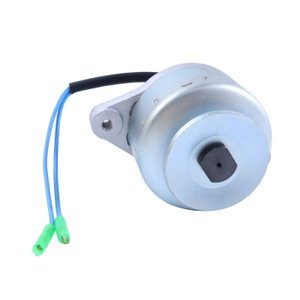
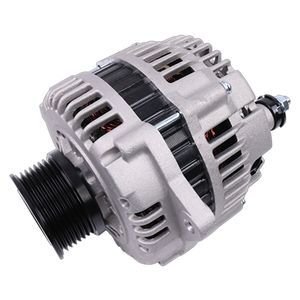
Matched Set Dispatch — Every 12V 90A Alternator engine electrical rebuild Bobcat unit ships with verified belt drive and connector compatibility for the target engine serial range.
Technical Specifications
| Parameter |
Value |
| Part Number |
6678205 |
| Product Type |
Alternator |
| Voltage |
12V |
| Amperage |
90A |
| Condition |
New Aftermarket |
| Cross-Reference |
6675292, 6678205, 6681857, 6690593, 7008772, 6881249, LRA03022, 66785292, 428402, 600934, A12390N, TA000A63701, 2200-0501, 22000501 (reference only) |
| Machine Fitment |
T110, T140, T180, T190, T200, T2250, T250, T300, T320, T550, T590, T630, T650, T750, T770, T870, V417 |
| Warranty |
3-12 months against manufacturing defects |
| Quality Standard |
ISO 9001 |
Application Suitability
| Engine System |
Related Components |
| Charging Circuit |
Voltage regulator, battery cables, terminal connectors |
| Belt Drive Interface |
Serpentine belt, tensioner assembly, idler pulley |
| Engine Electrical |
Starter motor, wiring harness, ECU power feed |
| Auxiliary Power |
Lighting circuits, hydraulic controller supply, cab electronics |
Why Replaced Alternators Fail Again Within Weeks on Bobcat Track Loaders
The charging circuit is a system, and the 12V 90A Alternator engine electrical rebuild Bobcat is only one node within it.
In Nigerian mining operations, I handled warranty returns where a freshly installed alternator burned out within weeks because the root cause was never addressed. A failing voltage regulator allows ripple current to spike, damaging the rectifier diodes inside the new unit. Belt slippage from a worn tensioner causes chronic undercharging, forcing the alternator to operate at maximum field current continuously, which overheats the stator windings. Replacing the alternator without diagnosing these upstream faults simply resets the countdown to the next failure [NEED_CITE: electrical system root cause diagnosis procedures for mobile equipment]. The same pattern repeats across Bobcat T140 through T870 platforms — the machine returns to the bench because the charging circuit was treated as a single-component problem rather than a system-level fault.

The Charging Circuit as Part of the Engine Auxiliary System
This alternator sits within the engine auxiliary electrical group, which manages all onboard power generation and distribution. On Bobcat track loaders and VersaHandler units, the charging circuit supplies continuous power to the machine controller, hydraulic solenoid drivers, and cab instrumentation while maintaining battery state of charge. A 12V 90A Alternator engine electrical rebuild Bobcat must match the machine's total electrical load profile, particularly on models with added lighting packages or heated cab options that increase demand at idle speeds.
Matched Replacement Sets Prevent Sequential Component Failure
When an alternator fails, the surrounding components have endured the same operating environment and thermal cycles. Pairing the replacement alternator with a fresh belt, tensioner, and inspected wiring connectors addresses the wear that caused the original failure. Engine serial variants across Bobcat track loader generations affect the mounting ear spacing and connector pin configuration, so verification against the engine serial number prevents receiving a physically incompatible unit. This system-level approach eliminates the pattern where the belt fails next month, then the tensioner the month after, generating multiple downtime events instead of one planned intervention [NEED_CITE: matched component replacement intervals for diesel engine auxiliary systems].
Output Rating and Thermal Management Under Continuous Load
The 90A output rating defines the alternator's sustained current capacity at normal operating temperature. On compact track loaders working in high-ambient conditions, underhood temperatures rise significantly, and alternator output capacity drops as internal resistance increases with heat. The 12V nominal system requires the alternator to maintain at least 13.8V at the battery terminals under load to prevent gradual discharge. Rectifier diode configuration and stator winding gauge determine how well the unit handles sustained high-current draws from hydraulic controller solenoids and work lighting simultaneously. Units tested for output stability and ripple current before dispatch reduce the risk of voltage-sensitive ECU faults appearing after installation.
The Cost of Skipping System-Level Diagnosis Before Replacement
Installing a new alternator without checking the belt drive condition, battery health, and wiring integrity leads to repeat failures that are then blamed on part quality. A glazed or cracked belt slips on the pulley, reducing alternator speed below the threshold needed for full output. Corroded battery terminals increase circuit resistance, forcing the alternator to work harder to maintain system voltage. These faults are invisible when the focus stays on the alternator alone, and they destroy replacement units on a predictable timeline [NEED_CITE: charging system diagnostic sequence for construction equipment electrical faults]. The machine returns to the workshop, the warranty claim is filed, and the actual root cause remains active in the circuit.
Why Rebuild Shops Source Engine Auxiliary Sets Here
Selected alternator lines are produced in our own facility alongside sourced components from ISO-certified partners, all carrying identical quality control and warranty terms. Eight product categories mean the alternator, matching belt, tensioner, and wiring connectors ship under one account with consolidated documentation. Minimum order starts at one piece for emergency single-unit replacements, with no quantity floor blocking a rebuild shop's urgent requirement. Part identification proceeds from the alternator part number, machine model, or a photograph of the nameplate and connector when markings are worn. Cross-reference verification covers superseded numbers across Bobcat track loader generations, catching variant differences before the wrong unit ships. A technical team confirms mounting pattern and connector compatibility against the specific engine serial number provided.
Documentation & Verification
- Commercial invoice listing alternator part number and matched belt drive components
- Cross-reference sheet mapping superseded numbers for Bobcat charging system identification (reference only)
- Output voltage, amperage stability, and ripple current test record per unit
- Warranty terms covering manufacturing defects with technical support access
- Packing photographs showing alternator and associated components before crate closure
- HS code and customs documentation support for international engine electrical shipments
Installation & Rebuild Sequence
- Verify mounting ear spacing and connector pin count against engine serial number before installation
- Clean all mating surfaces and inspect belt drive pulley alignment for runout
- Torque mounting bolts to specification and confirm pulley alignment with straightedge
- Test system voltage at battery terminals with engine at rated RPM to confirm 12V 90A Alternator engine electrical rebuild Bobcat output meets specification
- Run engine under electrical load for initial break-in period while monitoring voltage stability
Request a System-Matched Alternator Quote
Provide the Bobcat machine model, engine serial number, and any previous electrical repair history to receive a matched alternator and belt drive component quote. Photographs of the existing connector and nameplate accelerate variant confirmation when part numbers are unclear or superseded.
Frequently Asked Questions
Q: What other engine electrical components should be replaced together with the alternator?
A: The belt, tensioner, and battery cable terminals should be inspected and replaced as a set during alternator service. A worn belt or failing tensioner causes slippage that damages the new alternator within weeks. Supplying these as a matched kit ensures the entire charging circuit is refreshed in one intervention, eliminating sequential failures that generate repeated downtime events on the same machine.
Q: How do engine serial variants affect alternator fitment across Bobcat model generations?
A: Mounting ear spacing, pulley offset, and connector pin configuration change across engine serial ranges even when the base machine model remains the same. Providing the engine serial number allows verification of the correct alternator variant before dispatch, preventing fitment failures on the workshop floor where the mounting pattern or plug does not match the harness.
Q: What system-level faults cause premature alternator failure beyond the unit itself?
A: Voltage regulator failure, belt slippage from worn tensioners, and corroded battery connections all force the alternator into abnormal operating conditions. Ripple current from a failing rectifier damages ECUs, while chronic undercharging causes the stator to overheat. Diagnosing the full charging circuit before replacement addresses the root cause rather than installing a new unit into the same fault environment.
Q: Can you supply a matched belt and tensioner set alongside the alternator?
A: Yes, the alternator ships with compatible belt drive components sourced under the same quality control and warranty terms. Consolidating the alternator, belt, and tensioner into one consignment ensures all components arrive together for a single planned maintenance event, avoiding split deliveries that delay the machine's return to service.
Q: How do you verify the correct alternator variant when part numbers have been superseded?
A: Cross-reference verification maps the original part number through all superseded variants to identify the correct current production unit for the specific engine serial range. This process catches alternator variant differences in connector type and mounting configuration that generic interchange tables miss, preventing incorrect units from reaching the installation bench.