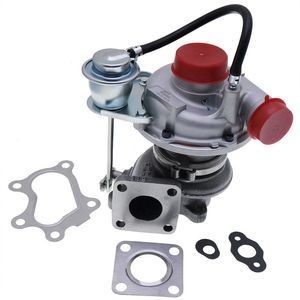
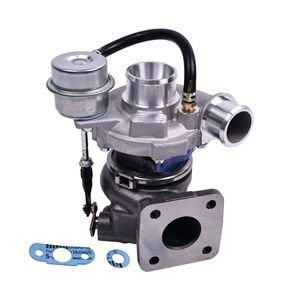
Engine Serial Variants Confirmed — Every HX30W turbocharger cross-referenced against the specific Cummins 4BT or 6B5.9 build sheet before dispatch, preventing port and flange mismatches during overhaul.
Technical Specifications
| Parameter |
Value |
| Part Number |
3592016 |
| Product Type |
Turbocharger |
| Turbo Model |
HX30W |
| Cross-Reference |
3800709, 3593089, 3593090, 4089476, 3536336, 3802741, 3537759, 3536337, 3592118 (reference only) |
| Alternate Cross-Reference |
J592015, J592016, J536336, J802741, 76193234, 76193235, JR592015, JR802741, JC536336 (reference only) |
| Compatible Engine Brand |
Cummins (cross-reference only) |
| Engine Models |
4BT 110HP, 4B3.9, 6B5.9 |
| Machine Fitment |
Dodge Ram Pickup Truck, Hyundai R140LC-7 Excavator, CASE 960 Trencher, CASE 570LXT, CASE 580L, CASE 580SL, CASE 590SL Loaders, CASE 686G, CASE 686GXR, CASE 688G Telehandlers, CASE 8825, CASE 8825HP, CASE 8860, CASE 8860HP, CASE 8870 Windrowers, New Holland DC100, New Holland DC80 Crawler Dozers |
| Condition |
New Aftermarket |
| Warranty |
3-12 months against manufacturing defects |
| MOQ |
1 piece |
| Certification |
ISO 9001 |
Application Suitability
| Engine System |
Related Components |
| Intake and forced induction |
Intake manifold gaskets, air filter element, boost pressure sensor |
| Lubrication feed to turbo |
Oil supply line, oil drain gasket, oil filter |
| Exhaust discharge path |
Exhaust flange gasket, exhaust manifold studs, clamp hardware |
| Cylinder and combustion chamber |
Head gasket set, piston rings, cylinder liner (inspect during turbo replacement) |
| Crankcase ventilation |
Blow-by hose, crankcase breather filter |
Why a Blown Turbo Rarely Tells the Whole Story
Replacing the HX30W Turbocharger for Cummins 4BT 6B5.9 engine rebuild without diagnosing the lubrication and intake path invites a second teardown within the same service cycle.
In the Guangzhou warehouse, I have handled too many Cummins 4BT returns where the turbo was blamed but the real culprit was contaminated oil feed or a collapsed air filter housing upstream. The turbine wheel shows scoring that matches carbon-laden lubricant, not normal wear. Shops that swap only the turbo and reassemble find the replacement failing in a fraction of the expected interval [NEED_CITE: root cause analysis methodology for turbocharger failure in diesel engines]. The pattern repeats: the HX30W Turbocharger for Cummins 4BT 6B5.9 engine rebuild absorbs the symptom while the fault in the oil circuit or intake restriction remains untreated. Addressing the turbo in isolation means the next failure is already in motion before the engine leaves the bay.
The Intake-to-Exhaust System This Turbo Lives Inside
The HX30W turbocharger sits at the junction of three engine systems on the Cummins 4BT and 6B5.9 families: the pressurised intake path, the exhaust discharge route, and the lubrication circuit that feeds and drains the bearing housing. A turbo replacement that ignores any one of these three circuits leaves a root cause unresolved. Intake manifold gaskets harden over heat cycles and lose sealing pressure; reusing them with a new turbo introduces boost leaks that degrade the performance of the fresh unit. The oil drain gasket, often overlooked, can allow crankcase pressure to push oil past the turbo seal, creating the same blue-smoke symptom that prompted the turbo replacement in the first place.
Engine Serial Variants That Change Port Orientation
Cummins 4BT and 6B5.9 engines span multiple build generations, and oil fitting orientation, coolant port configuration, and exhaust flange bolt patterns shift across serial ranges. An HX30W turbocharger ordered by reference number alone may arrive with the oil inlet facing the wrong direction for a particular block casting. We cross-reference the engine serial against the build sheet before confirming fitment [NEED_CITE: Cummins engine serial number decoding for component compatibility]. This step catches variant differences such as the transition from metric to SAE flange hardware on later 6B5.9 production runs, or the relocated oil drain port on 4BT blocks built for CASE loader applications versus Dodge Ram truck installations.
Reading the Specifications That Matter on the Bench
The HX30W designation identifies the turbine and compressor wheel geometry family, which governs the boost pressure curve the unit delivers across the RPM range of the 4BT and 6B5.9. Compressor trim and turbine A/R ratio determine whether peak boost arrives early for loader torque demand or later for highway truck cruising. Bearing housing oil feed port diameter must match the supply line fitting; a mismatch forces an adapter that restricts flow and starves the journal bearing. Exhaust inlet flange bolt spacing must align with the manifold stud pattern on the specific engine serial — even a single-millimetre offset prevents a gas-tight seal and causes exhaust leakage that erodes the gasket within hours of operation.

The Cost of Skipping the Adjacent Component Check
When an overhaul kit ships without the exhaust flange gasket or the oil supply line fitting, the workshop either fabricates a substitute or reuses the old gasket. Both paths introduce early failure risk. A reused oil drain gasket that no longer seats flat will allow oil to pool in the bearing housing, increasing backpressure and pushing oil past the compressor seal. Shops that track warranty returns consistently find that turbo claims cluster around units where adjacent gaskets and oil lines were not renewed during the rebuild [NEED_CITE: turbocharger warranty return analysis correlated with gasket renewal practices]. The labour cost of a second teardown far outweighs the cost of a complete gasket set dispatched alongside the turbo.
Why Procurement Runs Through One Account
Self-produced turbocharger lines and qualified sourced supply carry identical quality inspection and warranty terms under a single account. Eight product categories mean the intake gaskets, oil filter, exhaust studs, and overhaul seal kit ship in the same consignment as the turbo — no second order, no split freight. Minimum order starts at one piece, so a single emergency turbo for a downed Hyundai R140LC-7 does not require a bulk commitment. Part identification works from the part number, machine model, a photograph of the nameplate, or an image of the old unit. Cross-reference verification covers superseded numbers such as 3800709 and 4089476, resolving interchange tables that carry forward errors between sellers. Technical staff confirm engine serial compatibility and oil port orientation before the unit leaves the warehouse.
Documentation & Verification
- Commercial invoice and packing list itemised by turbo reference number and engine model
- Part compatibility and cross-reference sheet listing all interchange numbers with reference only notation
- Quality inspection record covering rotor balance test and housing pressure-hold verification
- Warranty terms document specifying 3-12 month coverage against manufacturing defects
- Packing photographs showing turbo crating and gasket kit inclusion before crate closure
- HS code and customs documentation support for turbocharger and associated gasket exports
Installation & Rebuild Sequence
- Clean the oil feed line and verify unrestricted flow before connecting the HX30W bearing housing inlet
- Install new intake manifold and exhaust flange gaskets — never reuse heat-cycled gaskets with the fresh turbo
- Torque exhaust flange nuts to the Cummins specification for the specific 4BT or 6B5.9 serial variant
- Pre-lubricate the turbo bearing housing with clean engine oil before the first cranking cycle
- Run the engine at idle for several minutes and inspect all oil and boost connections for leaks before loading
What We Need From Your Enquiry
Provide the Cummins engine model, serial number, and any known rebuild history so we can confirm oil port orientation and exhaust flange pattern. If the nameplate is worn or painted over, send a photograph of the old turbocharger data tag and the engine block casting number. For overhaul planning, list the adjacent components you need — gasket sets, oil filters, exhaust hardware — so the complete job ships together.
Frequently Asked Questions
Q: What gaskets and seals should be replaced together with this turbocharger?
A: Replace the intake manifold gasket, exhaust flange gasket, oil supply line fitting seal, and oil drain gasket as a minimum set. Reusing any of these after a heat cycle risks boost leaks or oil seepage that compromise the new turbo. We include these in a matched gasket kit when requested with the turbocharger order.
Q: My Cummins engine serial differs — does this turbo still fit?
A: The 4BT and 6B5.9 families include serial variants with different oil fitting angles and exhaust flange bolt patterns. Send us the engine serial number and we cross-reference the port orientation and mounting configuration against the build sheet before confirming fitment.
Q: What caused my previous turbo to fail and how do I prevent it?
A: Premature turbo wear typically traces to restricted oil feed, contaminated lubricant, or a clogged air filter allowing debris into the compressor wheel. Inspect the oil supply line, replace the air filter element, and verify crankcase ventilation function before installing the replacement unit.
Q: Do you supply a complete overhaul gasket kit for the 4BT or 6B5.9?
A: Yes. The overhaul gasket kit includes head gasket, intake and exhaust manifold gaskets, oil pan seal, and all peripheral seals required for a complete engine rebuild. We match the kit contents to the specific engine serial to account for variant differences in port and flange configuration.
Q: How do I confirm my engine model when the nameplate is worn?
A: Send a photograph of the engine block casting number, typically located on the passenger side of the block near the oil filter housing. We use the casting number together with any readable serial digits to identify the exact engine build and confirm turbocharger compatibility.