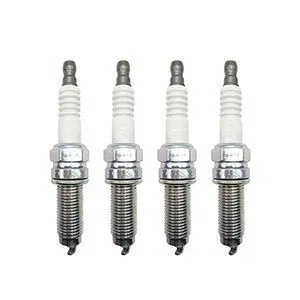
Matched Ignition Sets — every spark plug ships with cross-reference verification tied to your MTU engine serial, ensuring heat range and gap match the rebuild specification.
Technical Specifications
| Parameter |
Value |
| Part Number |
X52404500056 X52404500062 |
| Product Type |
Spark Plug |
| Cross-Reference |
X52404500062, X52404500056, R6GC1-77M, 0004.800.986.00.07, 0346-5123, 18VGZ1-77, FB95WPV, MPC1800 (reference only) |
| Machine Fitment |
MTU 4000, MTU 16V/4000-L61, MTU 16V4000L61 |
| Center Electrode Material |
Iridium-enhanced nickel alloy |
| Insulator Material |
High-purity alumina ceramic (95% Al₂O₃) |
| Dielectric Strength |
≥25 kV at 25°C |
| Thread Specification |
M14×1.25 mm |
| Seat Design |
Tapered seat |
| Torque Requirement |
25–30 N·m |
| Electrode Gap |
0.7–0.8 mm (factory-set) |
| Surface Finish |
ISO 4287 Ra ≤0.8 μm |
| Condition |
New Aftermarket |
| Warranty |
6 months against manufacturing defects |
| MOQ |
1 piece |
| Standards |
ISO 9001, ISO 6922-2, SAE J1331, ISO 4287 |
Application Suitability
| Engine System |
Related Components |
| Ignition system |
Ignition coils, high-tension leads, spark plug boots |
| Cylinder head assembly |
Valve cover gaskets, cylinder head bolts, thermostat housing seals |
| Fuel and air induction |
Air filters, fuel injectors, intake manifold gaskets |
| Engine management |
Speed sensors, knock sensors, ECU calibration data |
Why the Same Spark Plug Ships in Multiple Variants Across MTU 4000 Builds
A spark plug for MTU 4000 engine rebuild must match the exact engine serial range, because heat range and electrode projection differ between early and late production blocks.
In my years working through teardowns from Chilean copper mine generator rooms to coastal marine auxiliary bays, I have pulled ignition components that looked identical on the shelf but caused pre-ignition scoring within hundreds of operating hours once installed on the wrong variant. The MTU 16V4000L61 and its related configurations each carry specific combustion chamber geometry and compression profiles. Swapping a plug with the wrong thermal characteristic into a high-load genset means the piston crown absorbs energy it was never designed to handle [NEED_CITE: MTU 4000 series combustion chamber variant differences across serial ranges]. The result is not a misfire you can diagnose easily — it is progressive damage hidden beneath the cylinder head until the next scheduled overhaul reveals scored liners or eroded valve faces.

Matching the Ignition System to Your Rebuild Sequence
When a rebuild shop tears down an MTU 4000 series block, the spark plug is never an isolated line item. It sits at the end of a chain that includes the ignition coil output, the lead resistance, and the boot seal integrity. A spark plug for MTU 4000 engine rebuild that arrives with the correct thread pitch and gap but the wrong heat range will mask an underlying coil weakness or cause the adjacent cylinder to run lean under sustained load. We supply ignition system components as matched sets so the rebuild sequence moves forward without pausing for individual fitment checks at the bench.
Addressing the Root Cause Before Installing New Plugs
Every failed spark plug tells a story about the system it came from. Carbon tracking along the ceramic insulator points to a deteriorated boot or excessive crankcase pressure. Electrode erosion beyond normal wear indicates sustained over-temperature operation, often linked to cooling circuit degradation or incorrect fuel mapping. Replacing the spark plug for MTU 4000 engine rebuild without diagnosing why the previous set failed means the new components inherit the same destructive environment [NEED_CITE: root cause analysis methodology for recurring spark plug failure in large-bore gas engines]. Our technical team reviews your engine serial and operating context to confirm whether the ignition fault originated upstream or downstream of the plug itself.
Reading the Specifications That Matter at the Bench
The iridium-enhanced nickel alloy center electrode maintains a stable spark edge under the sustained thermal loading typical of MTU 4000 series combustion chambers, where peak cylinder temperatures fluctuate rapidly with load changes in mining genset or marine auxiliary duty. High-purity alumina ceramic at 95% Al₂O₃ delivers dielectric strength rated at 25 kV, which becomes critical in humid tropical port installations or salt-laden offshore environments where surface leakage along the insulator can cause misfire well before the electrode itself wears. The factory-set electrode gap of 0.7–0.8 mm and tapered seat matching the 25–30 N·m torque specification mean the plug seats concentrically in the cylinder head, preventing localized hot spots that lead to pre-ignition. The M14×1.25 thread with ISO 4287 surface finish at Ra ≤0.8 μm ensures clean engagement with the cylinder head threads across removal and reinstallation cycles during scheduled maintenance.
The Hidden Cost of Skipping System-Level Verification
I once watched a repair crew in a remote mining camp install a full set of plugs that matched the old part number printed on the box, only to discover the engine had been through a prior rebuild where the cylinder heads were exchanged to a later serial variant. The thread pitch fit, the gap looked right, but the heat range was one step too cold for the modified combustion profile. Within a maintenance cycle the plugs fouled repeatedly, each change requiring valve cover removal, gasket replacement, and another round of downtime [NEED_CITE: impact of incorrect spark plug heat range on large diesel-electric genset availability]. The cost was never the plug itself — it was the compounding labor and the generator hours lost while the fault was traced back to a mismatched specification.
What We Bring to Your Overhaul Planning
Our own production lines and qualified sourced supply operate under a single account with one warranty, so ignition components and adjacent engine parts arrive with consistent quality documentation. Eight product categories mean your complete overhaul list — from cylinder kits and gasket sets to ignition coils and spark plugs — consolidates into one consignment. Minimum order starts at one piece, so a workshop verifying fitment before committing to a full engine set can request a sample without inflated quantities. Part identification works from a part number, a machine model, a photograph of a worn nameplate, or even an image of the old plug on the bench. Cross-reference verification covers superseded and alternate numbers including R6GC1-77M, 0004.800.986.00.07, 0346-5123, 18VGZ1-77, FB95WPV, and MPC1800 so that discontinued references do not block procurement. Our technical team confirms compatibility and heat range grade against your specific engine serial before anything ships.
Documentation & Verification
- Commercial invoice and packing list itemizing each spark plug by part number and engine serial match
- Compatibility and cross-reference sheet listing verified interchange numbers marked as reference only
- Quality inspection record covering electrode gap measurement, resistance testing, and dielectric strength verification
- Warranty terms stating coverage period and conditions for manufacturing defect claims
- Packing photographs showing individual plug protection and consignment layout before dispatch
- HS code and customs documentation support for international engine parts shipments
Installation & Rebuild Sequence
- Verify cylinder head thread condition with a thread chaser before installing the M14×1.25 spark plug to prevent cross-threading on the MTU 4000 block
- Confirm electrode gap at 0.7–0.8 mm with a wire-type feeler gauge before installation, even though the gap is factory-set
- Apply the specified 25–30 N·m torque using a calibrated torque wrench to ensure the tapered seat seals concentrically without cracking the ceramic insulator
- Inspect ignition coil output and lead resistance before connecting to the new plug, addressing upstream faults that caused the previous failure
- Run the engine through a graduated load sequence during first start to confirm stable combustion across all cylinders before returning to full operational duty
Request a System-Matched Quote
Provide your MTU engine model, serial number, and any prior rebuild history so we can confirm the correct spark plug variant and heat range for your specific build configuration. If you are planning a full ignition system overhaul, share the complete component list including coils, leads, and boots for a consolidated quote with matched compatibility across every line item.
Frequently Asked Questions
Q: What other ignition components should be inspected or replaced alongside these spark plugs?
A: During any MTU 4000 ignition service, inspect the ignition coils for output degradation, check high-tension leads for resistance drift and insulation cracking, and examine spark plug boots for carbon tracking or heat hardening. Replacing plugs without addressing worn boots or weak coils transfers the failure mode to the new components. We supply the complete ignition set as one matched consignment.
Q: How do I confirm the correct spark plug variant for my specific MTU 4000 engine serial?
A: Send us your engine model, the full serial number from the nameplate, and any records of prior cylinder head exchanges or rebuilds. We cross-reference your serial against variant-specific heat range and electrode projection requirements, then verify against superseded part numbers. This confirmation happens before dispatch so the plugs arriving at your shop match your exact build.
Q: What caused the previous spark plugs to fail and how do I prevent it from happening again?
A: Common root causes include deteriorated boots causing carbon tracking, weak coils producing incomplete combustion, cooling system degradation raising cylinder temperatures, and incorrect fuel mapping. We review your operating context and failure evidence — photographs of the old plugs help — to identify whether the fault originated in the plug itself or elsewhere in the ignition or fuel system.
Q: Can I source a complete ignition system kit including coils, wires, and plugs together?
A: Yes. We consolidate ignition coils, high-tension leads, boots, and spark plugs under one account with one warranty and one shipment. This approach eliminates the mismatched lead times that occur when sourcing ignition components from separate suppliers, and ensures every part in the kit is verified against the same engine serial and build configuration.
Q: How do I verify the cross-reference numbers match my engine build?
A: Share the part number printed on your old plug or the reference from your engine manual. We check it against our verified cross-reference database covering X52404500056, X52404500062, R6GC1-77M, and related superseded numbers, then confirm the match against your engine serial. This step catches errors that propagate through copied reference tables between sellers.