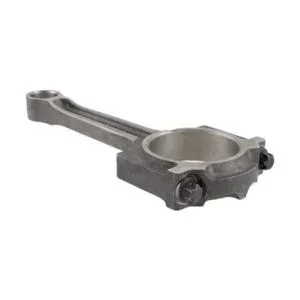
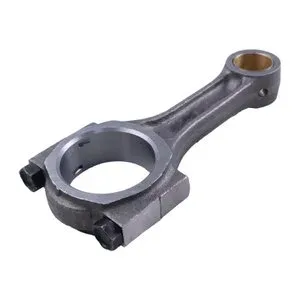
Engine Rebuild Sequence Verified — Connecting Rod 1L5Z-6200-A (cross-reference only) matched to Ford 2.3L L4 internal clearances and piston pin diameter before dispatch.
Technical Specifications
| Parameter |
Value |
| Part Number |
1L5Z-6200-A |
| Product Type |
Connecting Rod |
| Cross-Reference |
1L5Z6200A (reference only) |
| Machine Fitment |
2006-2009 Ford Fusion 4 Cyl 2.3L, 2009-2011 Ford Ranger 4 Cyl 2.3L NA Petrol, 2007-2009 Lincoln MKZ 4 Cyl 2.3L, 2006 Lincoln Zephyr 4 Cyl 2.3L, 2006-2009 Mercury Milan 4 Cyl 2.3L |
| Brand Compatibility |
Fits Ford, Lincoln, Mercury |
| Material |
Forged steel |
| Engine Fitment |
2.3L L4 |
| Production Years |
2006-2011 |
| Condition |
New Aftermarket |
| Warranty |
3-12 months against manufacturing defects |
| Standards |
ISO (ISO-certified partner factories) |
Application Suitability
| Engine System |
Related Components |
| Reciprocating Assembly |
Piston, piston pin, piston rings, connecting rod bearings |
| Lubrication Circuit |
Oil pump, main bearings, rod bearing shells (STD / 0.25 / 0.50) |
| Bottom End Overhaul |
Crankshaft, thrust washers, seal kits, oil pan gasket |
| Cooling & Emission |
Head gasket, cylinder head bolts, water pump, thermostat |
Why a Connecting Rod Fails After a Partial Rebuild
A replacement connecting rod rarely fails on its own — it fails because the system around it was not addressed. When a rod bearing spins or a rod bends, the root cause usually traces back to oil starvation, crankshaft journal wear, or a mismatched bearing grade from a previous rebuild. Swapping the rod without diagnosing these upstream faults guarantees a repeat failure.
In my time sourcing drivetrain components for fleet vehicles operating across desert climates, I have seen engines come apart within weeks because the rebuild addressed the symptom rather than the cause. One job involved a fleet of light trucks where connecting rod bearings were replaced at standard grade, but the crankshaft journals had already been ground to an undersize during an earlier service. The mismatch destroyed the new bearings and scored the replacement rods [NEED_CITE: crankshaft journal measurement standards for engine rebuilds].
System-Level View of the Reciprocating Assembly
The connecting rod sits at the heart of the reciprocating mass, translating piston motion into crankshaft rotation. For the Ford 2.3L L4 engine, this component must match the piston pin bore diameter and the crankshaft journal width precisely. During an engine rebuild, every connecting rod should be measured for bend, twist, and big-end bore roundness before reuse is considered. If any rod in the set shows fatigue cracking near the bolt shoulder or cap fretting, the entire set should be evaluated together to maintain balanced reciprocating weight across all four cylinders.
Bearing Grade, Crankshaft History, and the Oversize Chain
The most common error I encounter when rebuilding these engines involves bearing shell grade. A crankshaft that has been reground to 0.25 mm undersize requires matching 0.25 undersize rod bearings — not standard. When piston sets, cylinder liners, and connecting rod bearings are ordered separately without checking the engine's rebuild history, the dimensional grades conflict. I once received a shipment where the piston-to-liner clearance was correct, but the rod bearings arrived in standard grade for a crankshaft that had already been machined. That mismatch seized the engine on its first heat cycle.
Always pull the engine serial number and check for any stamp marks on the crankshaft counterweight indicating a previous regrind. The connecting rod big-end bore must also be measured; if it has stretched beyond specification, the rod itself needs replacement rather than just a bearing swap. This is why I verify overhaul kit contents line by line against the specific engine build record [NEED_CITE: connecting rod bore measurement tolerances in engine overhaul procedures].
Forged Steel and What It Means Under Load
This connecting rod is manufactured from forged steel, which provides a continuous grain flow aligned with the rod's geometry. Forged construction resists the alternating tensile and compressive loads generated during the 2.3L engine's power and exhaust strokes far better than cast alternatives. The material also handles the thermal expansion cycles present in sustained high-load applications — the kind seen in fleet delivery vehicles and light trucks that run loaded in high ambient temperatures.
The big-end cap is fracture-split or precision-machined to maintain cap-to-rod alignment, which is critical for even bearing load distribution. Rod bolt stretch, not torque alone, determines clamping integrity. The small-end bushing bore must match the piston pin diameter with the interference or clearance fit specified by the engine builder's manual. Any deviation here causes pin seizure or excessive noise at operating temperature.

The Cost of Skipping Root-Cause Diagnosis
Replacing a failed connecting rod without investigating why it failed is the most expensive shortcut in engine repair. If the oil pump was delivering inadequate pressure due to worn rotors, the new rod bearings will starve just as the old ones did. If the cooling system allowed localized overheating, the new piston-to-rod assembly will experience the same thermal distortion.
I have seen workshops replace rods and bearings three times before checking the oil pickup screen for debris or testing the oil pressure relief valve. Each repeat teardown adds labor, gasket sets, and fluids to the cost while the vehicle remains off the road. A systematic diagnosis before ordering the connecting rod and its companion parts prevents this cycle [NEED_CITE: engine lubrication system diagnostic procedures for repeat bearing failures].
Why Source This Connecting Rod Through XUNPO
Production on selected internal engine lines and qualified sourced supply from ISO-certified partner factories operate under one account and one warranty structure. Eight core categories mean the connecting rod, piston rings, bearing shells, gasket set, and seal kits for a complete 2.3L overhaul ship in a single consignment rather than arriving from multiple vendors on different schedules.
Minimum order starts at one piece, so a single emergency rod replacement is fulfilled without inflated quantities. The Guangzhou warehouse holds stock on common fast-failure items for rapid dispatch. Part identification is handled from the part number, engine serial number, a photograph of the nameplate, or the machine model alone. Cross-reference verification covers superseded and alternate numbers so that discontinued identifiers are traced to their current equivalent. Sample supply is available for fitment confirmation before a bulk overhaul kit commitment is placed. The technical team confirms bearing grade compatibility and dimensional match against your specific engine build [NEED_CITE: quality inspection protocols for aftermarket engine internal components].
Documentation & Verification
- Commercial invoice and packing list referencing 1L5Z-6200-A and quantity per cylinder
- Part compatibility sheet listing confirmed Ford, Lincoln, and Mercury 2.3L engine variants (reference only)
- Dimensional inspection record covering big-end bore, small-end bushing diameter, and center distance
- Warranty terms specifying coverage period for manufacturing defects on forged steel internals
- Packing photographs showing rod separation, protective wrapping, and crate condition before dispatch
- HS code classification and customs documentation support for international engine parts shipment
Installation & Rebuild Sequence
- Clean the connecting rod and cap in solvent, verify no abrasive residue remains in the oil passage drillings before assembly
- Measure big-end bore with the cap torqued to specification to confirm roundness before fitting new bearing shells
- Check piston pin fit at the small-end bushing; replace the bushing if clearance exceeds the engine builder tolerance
- Install rod bearings in the correct grade (STD, 0.25, or 0.50) matching the crankshaft journal regrind history
- Torque rod bolts using the angle-torque or stretch method specified for the 2.3L L4 to ensure even clamping
- Prime the lubrication system before first start to avoid a dry-start condition on the new bearing surfaces
Request a System-Matched Overhaul Quote
Provide your engine serial number, any known crankshaft regrind history, and the specific cylinders requiring attention. If the engine has been rebuilt previously, note the bearing grades that were installed so the correct oversize or undersize components are supplied. Our technical team will cross-reference your build record and return a matched connecting rod and companion parts list for the complete repair.
Frequently Asked Questions
Q: What related components should be replaced when fitting a new connecting rod?
A: Rod bearings, rod bolts, piston pin bushings, and the piston ring set should all be evaluated during a connecting rod replacement. Head gaskets and cylinder head bolts are typically replaced once the top end is opened. The oil pump and pickup screen should be inspected for debris from the original failure to prevent repeat damage.
Q: How do I determine which bearing grade my crankshaft needs?
A: The crankshaft counterweight may carry a stamp indicating a previous regrind — standard, 0.25, or 0.50 undersize. Measure each journal with a micrometer if no stamp is present or if the record is unclear. Match the connecting rod bearing shell grade to the measured journal diameter, not to the original factory specification.
Q: Are connecting rods interchangeable across all Ford 2.3L L4 model years?
A: The base 2.3L architecture shares common rod dimensions across the 2006-2011 production range covering Fusion, Ranger, MKZ, Zephyr, and Milan. However, verify the engine serial number to rule out mid-production revisions to piston pin diameter or rod bolt specification that may affect fitment.
Q: What system faults cause connecting rod failure beyond normal wear?
A: Oil starvation from a failing pump or blocked pickup screen is the most frequent cause. Overheating from cooling system faults distorts the rod and accelerates bearing wear. Previous rebuilds with incorrect bearing grades or improperly torqued rod bolts create progressive damage that shows up as premature rod failure.
Q: How do I confirm the correct part number if the engine nameplate is worn?
A: Provide the vehicle model, model year, and engine displacement. A photograph of any remaining stamping on the block or the valve cover casting number allows cross-referencing to the correct connecting rod identifier. The technical team verifies compatibility against the production range before dispatch.