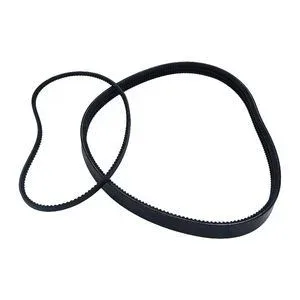
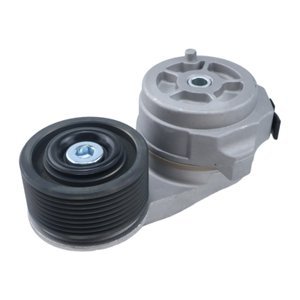
System-Matched Dispatch — compressor drive belt 50-00178-19 ships alongside matched tensioners and pulleys to keep Carrier transport refrigeration rebuilds balanced.
Technical Specifications
| Parameter |
Value |
| Part Number |
50-00178-19 |
| Cross-Reference |
50-00178-19, 500017819, 50-0017819, CP10615, CP-10615 (reference only) |
| Machine Fitment |
Ultima XTC, ULTRA XL, ULTRA XTC, ULTRA XT, ULTRA, X2 1800, X2 2100, X2 2100A, X2 2100R, X2 2500A, X2 2500R |
| Brand Compatibility |
Compatible with Carrier transport refrigeration units |
| Product Type |
Belt |
| Condition |
New Aftermarket |
| Standard Compliance |
ISO 9001, SAE J1459 |
| Warranty |
3–12 months against manufacturing defects |
| Packaging |
Original sealed packaging with protective inner lining |
Application Suitability
| Engine System |
Related Components |
| Compressor drive assembly |
Tensioner, idler pulley, compressor clutch |
| Front-end accessory drive |
V-ribbed belt set, pulley alignment tool |
| Refrigeration unit overhaul |
Seal kit, gasket set, compressor oil |
| Cold chain fleet preventive maintenance |
Belt wear gauge, tension meter |
Why the Compressor Drive Belt Fails Before Its Time
The belt rarely fails alone — the system around it does.
A Carrier 50-00178-19 belt engine system replacement often gets blamed for snapping within days of installation, yet the root cause typically sits elsewhere in the front-end drive. In refrigerated logistics fleets, compressors run under high thermal load, and a worn tensioner or glazed pulley groove transfers uneven stress to a fresh belt. [NEED_CITE: SAE J1459 belt drive durability and groove profile standards for transport refrigeration compressors]. I have seen a client in a Dubai warehouse install a new Carrier Ultima XTC belt while ignoring a tensioner that had lost travel; the new belt tracked poorly and shredded within a single long-haul cycle. Matching the belt to its adjacent system components avoids that costly repeat visit.

Compressor Drive Balance Across the X2 Series
The Carrier 50-00178-19 belt engine system replacement serves a wide span of transport refrigeration units, from the Ultima XTC through the X2 1800, 2100, and 2500 families. Each unit shares the same compressor drive architecture in principle, but pulley groove profiles and tensioner stroke lengths vary across production batches. Verifying the compressor serial against the belt length tolerance ensures the new belt seats fully in the grooves without riding high or bottoming out. This is the kind of detail that separates a clean rebuild from one that returns with a low-pressure alarm a week later.
Adjacent Components That Must Be Checked Together
When a Carrier 50-00178-19 belt engine system replacement goes in, the tensioner spring force and pulley runout deserve equal attention. A tensioner that has lost damping allows the belt to flutter under compressor load spikes, accelerating sidewall wear on the EPDM ribs. [NEED_CITE: EPDM belt degradation mechanisms under thermal cycling in transport refrigeration applications]. The idler pulley bearing should spin freely without radial play; if it does not, replacing the belt alone is only half the repair. Sourcing the belt together with its matched tensioner and pulley from one account keeps the warranty unified and the dispatch consolidated.
Reading the Specifications That Matter
SAE J1459 defines the tooth and rib profile for multi-rib belts used in heavy-duty accessory drives. For this Carrier 50-00178-19 belt engine system replacement, compliance with that standard means the rib geometry matches the compressor pulley grooves closely enough to distribute load across every rib rather than letting the outer ribs carry all the force. The EPDM compound with aramid cord reinforcement handles the sustained heat exposure inside a refrigeration unit enclosure where ambient temperature around the compressor can climb well above typical automotive underhood levels. Belt length tolerance interacts directly with the tensioner's available travel; if the belt is at the long end of tolerance and the tensioner is near its limit, the system starts with marginal tension. These three parameters — rib profile, compound rating, and length tolerance — together determine whether the belt survives a full service interval or fails prematurely under continuous compressor load.
The Cost of Treating the Belt as a Standalone Part
Replacing only the belt while leaving a fatigued tensioner in place leads to predictable repeat failures. The new belt absorbs shock loads the old tensioner can no longer dampen, and the resulting rib cracking shows up as compressor low-pressure alarms that get misdiagnosed as refrigerant leaks. [NEED_CITE: transport refrigeration compressor fault diagnosis and belt drive contribution to low-pressure alarms]. Each repeat visit costs the fleet another down day and another service call. In a Dubai cold chain operation I worked with, three consecutive belt changes on the same X2 2500R unit were traced back to a single worn pulley bearing that had been overlooked each time. The system-level view prevents that cycle.
Why This Is the Right Source for the Job
This Carrier 50-00178-19 belt engine system replacement ships from a Guangzhou warehouse where common refrigeration drive components are stocked for fast dispatch. Self-produced lines and qualified sourced supply carry identical QC and warranty terms under one account. Orders start from a single piece, so an emergency belt for one downed unit does not require a minimum bulk commitment. Part identification works from a part number, a machine model, a photograph, or even a worn nameplate image. Cross-reference verification covers superseded numbers like 500017819 and CP10615 so you know the correct variant ships before it leaves the warehouse.
Documentation & Verification
- Commercial invoice and packing list referencing belt 50-00178-19 and matched system parts
- Part compatibility sheet listing cross-reference numbers marked as reference only
- Quality inspection record covering belt length tolerance and rib profile check
- Warranty terms covering 3–12 months against manufacturing defects
- Packing photographs showing sealed belt packaging before crate closure
- HS code and customs documentation support for international cold chain shipments
Installation & Rebuild Sequence
- Verify compressor serial and pulley groove profile against belt rib specification before fitting
- Inspect tensioner spring force and travel range; replace if travel is near its limit
- Check idler pulley bearing for radial play and replace if any roughness is detected
- Route belt following the Carrier X2 series diagram; confirm full rib seating in every groove
- Apply specified tension and run the compressor at idle for initial bedding-in observation
Inquiry Guidance
To confirm the correct belt variant for your Carrier unit, provide the compressor model, serial number, and any previous overhaul history. If the nameplate is worn or painted over, a clear photograph of the existing belt and the pulley assembly allows the technical team to verify the cross-reference and groove profile. This ensures the right belt, tensioner, and pulley combination ships together.
Frequently Asked Questions
Q: What other system components should I check when replacing this belt?
A: The tensioner spring and travel, idler pulley bearing condition, and compressor clutch alignment all affect belt life. A worn tensioner lets the belt flutter under load, and a rough pulley bearing accelerates rib wear. Replacing these together with the belt prevents premature repeat failures on Carrier Ultima XTC and X2 units.
Q: Are belts for different X2 models interchangeable?
A: The X2 1800, 2100, and 2500 families share the same base belt designation but pulley groove profiles and tensioner stroke ranges can vary across production runs. Confirm your compressor serial number so the correct length tolerance and rib profile variant ships. Cross-reference verification covers superseded numbers.
Q: My compressor shows a low-pressure alarm — could the belt be the cause?
A: Yes. A glazed or slipping belt cannot maintain compressor speed under load, causing suction pressure to drop. Before replacing the belt, check tensioner travel and pulley condition, because installing a new belt onto worn system components often repeats the same fault within days.
Q: How do I confirm this part number fits my specific unit?
A: Provide your Carrier unit model and compressor serial number, or send a photograph of the existing belt and nameplate. The technical team cross-references numbers including 500017819 and CP10615 marked as reference only to confirm the exact variant before dispatch.
Q: Can I request a sample belt before placing a fleet order?
A: Sample supply is available for fitment confirmation before you commit to bulk quantities. This lets your workshop verify rib profile, length, and tensioner compatibility on one unit first, then proceed with confidence for the rest of the cold chain fleet.