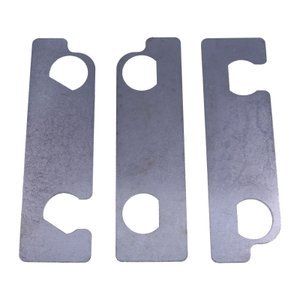
Engine Sequences Verified — Every camshaft holding tool kit ships only after your LP1 or HFV6 variant is confirmed against factory service data.
Technical Specifications
| Parameter |
Value |
| Product Type |
Camshaft Holding Tool Kit |
| Cross-Reference |
EN-48383, EN-46105 (reference only) |
| Material |
High-strength hardened steel |
| Surface Treatment |
Phosphate-coated contact surfaces |
| Assembly State |
Complete kit |
| Condition |
New Aftermarket |
| Warranty |
3–12 months against manufacturing defects |
| Standards |
ISO 9001, SAE J2412 |
| MOQ |
1 piece |
Application Suitability
| Engine System |
Related Components |
| Valve Train Timing (LP1 / HFV6 2.8L–3.6L V6) |
Timing chains, sprockets, tensioners, guides |
| Top-End Overhaul |
Cylinder head gaskets, valve stem seals, camshaft position sensors |
| Fleet Maintenance & Auxiliary Power |
Matched bearing sets, overhaul gasket kits, fastener kits |
Why Timing Alignment Fails Before the Engine Ever Fires
A slipped holding tool during reassembly bends valves, destroys fresh head gaskets, and forces a second complete teardown.
In Middle Eastern rebuild shops handling high volumes of GM V6 platforms, I have watched timing chains jump teeth because a generic fixture allowed the camshaft to rotate under torque. The cost is never the tool itself — it is the labor, the scrapped gasket set, and the machine sitting dead on the lift for another week [NEED_CITE: valve train timing failure modes in high-displacement V6 engines]. When the camshaft holding tool kit does not match the exact bolt-hole spacing and keyway profile of your specific engine variant, every subsequent torque step compounds the error.

Valve Train Timing Within the Overhaul Sequence
This camshaft holding tool kit belongs squarely inside the valve train timing procedure. During any HFV6 or LP1 rebuild, the tool immobilizes both camshafts so the timing chains, sprockets, and tensioners can be installed with zero rotational drift. Without that immobilization, the camshaft position sensors will read incorrect phase angles at first startup, triggering fault codes or immediate valve-to-piston interference.
Engine Variant Differences That Change Everything
The GM 2.8L–3.6L V6 family spans multiple engine codes — LP1, HFV6, Z28NET, Z28NEL, A28NER, B284E, B284L — and the cylinder head bolt patterns and cam sprocket keyways are not identical across all of them. A tool that fits an early HFV6 head may sit slightly off-center on a later LP1 casting, introducing angular error that the tensioner cannot absorb [NEED_CITE: GM V6 engine family variant differences in cylinder head casting]. Confirming your exact engine code before ordering prevents a tool that physically mounts but functionally fails.
Material and Surface Treatment Under Torque
The high-strength hardened steel construction resists deformation when the crankshaft is barred over during timing verification. Phosphate-coated contact surfaces serve a practical purpose: they reduce galling against the aluminum cylinder head and cam sprocket faces during repeated installation and removal cycles. A tool that scores the head surface creates a leak path for oil and coolant, undermining the entire top-end rebuild you just completed.
Stepped Mounting and Anti-Rotation Pin Engagement
The stepped mounting profile replicates factory bolt-hole spacing so clamping load distributes evenly across the head surface rather than concentrating on one stud. The anti-rotation pin locks into the cam sprocket primary keyway, eliminating the slippage that occurs with flat-bar universal fixtures. In dual-cam setups, this engagement is the difference between holding timing within specification and watching the marks drift as you apply torque to the sprocket bolts.
The Hidden Cost of a Misaligned Timing Tool
When the holding fixture allows even slight rotation, the timing chain tensioner takes up the slack in the wrong position. The engine may start and run, but valve timing is off by degrees — enough to degrade performance, increase exhaust temperatures, and accelerate wear on the newly installed chains and guides [NEED_CITE: effects of minor timing misalignment on valve train component wear]. The rebuild shop then faces a warranty claim on components that were not defective, only installed out of phase.
Why Source This Tool Through Our Supply Chain
Our own production lines and qualified sourcing partners operate under one account with one warranty, so the camshaft holding tool kit carries the same quality terms whether produced in-house or sourced. Eight product categories mean you can add overhaul gasket kits, bearing sets, and seal kits to the same order, consolidating dispatch into a single shipment. Minimum order is one piece — no MOQ barrier when you need a single replacement tool. Cross-reference verification covers EN-48383 and EN-46105 interchange numbers, and our technical team confirms engine code compatibility before the order ships. Sample supply is available for fitment confirmation before you commit to bulk quantities for your shop.
Documentation & Verification
- Commercial invoice and packing list listing each tool kit by engine code variant
- Part compatibility sheet confirming LP1, HFV6, or specific engine serial match (reference only)
- Quality inspection record covering jaw parallelism and torque retention validation
- Warranty terms covering manufacturing defects for 3–12 months
- Packing photographs documenting kit completeness before crate closure
- HS code and customs documentation support for international engine tool shipments
Installation & Rebuild Sequence
- Verify engine code against kit compatibility sheet before opening the sealed packaging
- Clean cylinder head mounting surfaces to prevent phosphate coating contamination during tool engagement
- Confirm anti-rotation pin seats fully in the cam sprocket keyway before applying any torque
- Torque holding fixture bolts in the factory-specified sequence to prevent head surface distortion
- After timing is set, remove the camshaft holding tool kit and inspect contact surfaces for scoring or galling before storage
Request a Compatibility Confirmation
Provide your engine code — LP1, HFV6, Z28NET, or other variant — along with the engine serial number if available. If the nameplate is worn or painted over, send a photograph of the cylinder head casting number and cam sprocket profile. We will cross-reference against our fitment database and confirm whether this camshaft holding tool kit matches your specific rebuild before you place an order.
Frequently Asked Questions
Q: What other engine components should be replaced during the same timing service?
A: Timing chains, guides, tensioners, camshaft position sensors, and valve stem seals are typically replaced alongside a timing service on the HFV6 and LP1 platforms. We supply matched overhaul gasket kits and bearing sets that can ship in the same consignment, so the entire top-end job is covered from a single order without split freight or staggered arrival dates.
Q: How do I confirm this tool fits my specific engine variant within the V6 family?
A: Provide the engine code from your vehicle identification or service documentation — codes like LP1, HFV6, Z28NET, or A28NER. Our technical team cross-references the camshaft holding tool kit against the specific cylinder head casting and sprocket keyway profile for that variant, ensuring dimensional accuracy before the order is released.
Q: Can I order this tool together with an overhaul gasket kit in one shipment?
A: Yes. We consolidate across eight product categories under one account, so the camshaft holding tool kit, overhaul gasket set, bearing shells, and seal kits all ship as a single consignment. This eliminates the delays that occur when different suppliers ship on different schedules, leaving the machine on the lift waiting for one missing component.
Q: What causes timing drift during a rebuild, and how does tool precision matter?
A: Timing drift typically results from holding fixtures that permit slight camshaft rotation under torque, or from using a tool that does not match the specific head bolt pattern of the engine variant. Precision-machined engagement prevents this rotational slip, ensuring the timing marks remain aligned through every torque step of the reassembly sequence.
Q: How do I identify my engine code if the nameplate is worn or missing?
A: Send a photograph of the cylinder head casting number, the VIN plate, or any visible stamping on the engine block. Our identification team cross-references these visual markers against factory records to determine the correct engine code and confirm the appropriate camshaft holding tool kit for your rebuild application.