Engine Sequence Variants Confirmed — Belt length and rib pitch verified against your loader's engine serial before dispatch.
Technical Specifications
| Parameter |
Value |
| Part Number |
6662855 |
| Product Type |
Belt |
| Cross-Reference |
6662855 (reference only) |
| Machine Fitment |
Bobcat 853, 863, 864, 873, 883, A220, A300, S220, S250, S300, T200, T250, T300 |
| Belt Construction |
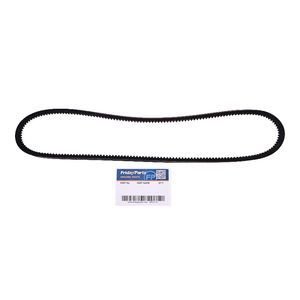
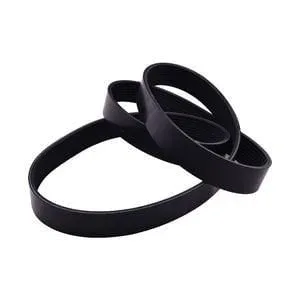
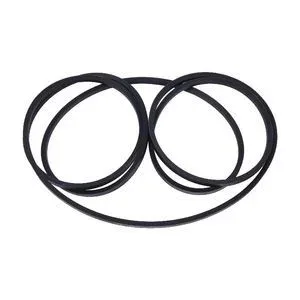
3VX Narrow Joined V-belt |
| Rib Configuration |
4 ribs, 10mm pitch |
| Effective Length |
1760La |
| Material Composition |
Chloroprene rubber (CR) with high-tensile polyester cord |
| Key Features |
Oil-resistant, heat-resistant, anti-static, wear-resistant |
| Condition |
New Aftermarket |
| Warranty |
3–12 months against manufacturing defects |
| Quality Standard |
ISO 9001 |
Application Suitability
| Engine System |
Related Components |
| Hydraulic Pump Drive |
Belt tensioner assembly, drive pulleys, hydraulic pump input seal |
| Engine Front Accessory Drive |
Crankshaft pulley, idler bearings, belt guard hardware |
| Scheduled Overhaul Package |
Complete seal kit, tensioner spring, pulley bearing set |
Why a New Drive Pump Belt 6662855 Fails Weeks After Installation
The belt is rarely the root cause; the system around it is.
I have watched a fresh belt get thrown onto a skid steer loader, only to see it shred within a hundred operating hours because nobody checked the tensioner travel or the hydraulic pump input seal. When a replacement belt inherits the same misalignment or oil spray that killed the previous one, the failure repeats. A system-level inspection during engine belt replacement separates a lasting repair from a recurring frustration [NEED_CITE: belt drive system failure analysis for mobile hydraulic equipment].

Positioning the Belt Inside the Hydraulic Pump Drive System
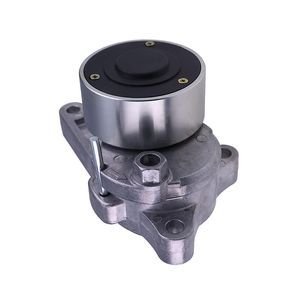
This belt transfers crankshaft power directly to the hydraulic pump, meaning every shock load from the implement circuit passes back through the belt cords. A Drive Pump Belt 6662855 works as part of a triangle formed by the crankshaft pulley, the tensioner, and the pump sheave. If any vertex is worn or out of plane, the belt absorbs the error as heat and edge wear rather than transmitting power efficiently.
Addressing the Fault That Broke the Last Belt
Before ordering a replacement, pull the belt guard and check three things: tensioner arm travel, pulley bearing play, and the condition of the hydraulic pump shaft seal. Oil mist from a leaking pump seal soaks into belt rubber and accelerates cracking along the rib roots. Replacing the belt without addressing a weeping seal simply resets the countdown to the next failure [NEED_CITE: hydraulic seal leakage effects on elastomeric belt degradation].
Reading the Material Specification Against Operating Conditions
Chloroprene rubber resists oil absorption and maintains flexibility across the temperature swings typical in a compact loader engine bay. The high-tensile polyester cord carries the load without stretching under the hydraulic pump's startup torque spike. The joined 4-rib configuration eliminates individual belt whip, keeping all four ribs tracking the sheave grooves simultaneously. When ribs share load evenly, no single rib overheats and delaminates ahead of the others.
The Cost of Treating the Belt as an Isolated Part
Skipping a tensioner check during belt replacement means the new belt may run under-tensioned, slipping on the sheaves and glazing within days. Over-tensioning is equally destructive, loading the hydraulic pump front bearing beyond its design limit. Either scenario forces a second teardown, doubled labor, and another machine-down window that could have been avoided with a thirty-minute system check [NEED_CITE: belt tension effects on hydraulic pump bearing life].
Supply and Support Structured for System-Level Rebuilds
XUNPO maintains production on selected belt lines while sourcing complementary components from qualified ISO-certified partners, all under one warranty account. Eight product categories mean the belt, tensioner, seals, and pulley bearings ship in a single consignment rather than arriving on different schedules. Minimum order starts at one piece, so a single emergency repair is not blocked by volume requirements. Part identification is confirmed from the part number, machine model, photograph, or nameplate image. Cross-reference verification covers superseded and alternate numbers. Sample supply is available for fitment confirmation before any bulk commitment is made.
Documentation & Verification
- Commercial invoice listing belt part number, quantity, and machine fitment reference
- Cross-reference sheet mapping 6662855 (reference only) to known alternate designations
- Tensile strength and flexibility test results included in quality inspection record
- Warranty terms stating coverage period and defect claim procedure
- Packing photographs showing belt coil condition before crate closure
- HS code provided for customs clearance on international belt shipments
Installation & Rebuild Sequence
- Verify pulley alignment with a straightedge across crankshaft and pump sheaves before routing the 4-rib belt
- Clean all sheave grooves of old rubber debris to prevent the new belt from riding high
- Set tensioner to specified deflection; the joined belt requires uniform tracking force across all four ribs
- Rotate the engine two full revolutions by hand to seat the belt before first startup
- Run the loader at idle for several minutes and recheck tension after the chloroprene rubber reaches operating temperature
Inquiry Guidance for Correct Fitment
Provide your loader model, engine serial number, and any history of prior engine rebuild or exchange. If the nameplate is unreadable, a photograph of the old belt markings and the pulley arrangement allows our technical team to confirm the correct length and rib pitch. Mention whether the tensioner and pulleys are being replaced simultaneously so we can package matched components together.
Frequently Asked Questions
Q: What other belt drive system components should be replaced alongside the belt?
A: The tensioner arm and its pivot bearing, the idler pulley, and the hydraulic pump input seal should all be inspected. Worn tensioner bearings or a leaking seal will shorten the new belt's service life. Replacing these as a set during the same teardown eliminates a second downtime event and ensures the entire drive system returns to reliable operation.
Q: How does hydraulic fluid contamination affect this belt's service life?
A: Hydraulic fluid leaking past the pump shaft seal sprays onto the belt, softening the chloroprene rubber and causing the ribs to crack at their roots. Even minor weeping accelerates degradation. Addressing the seal during belt replacement removes the contamination source and preserves the oil-resistant properties of the new belt throughout its intended service window.
Q: Does the same belt specification apply across all engine variants within one loader model?
A: Not always. Engine serial variants within the same loader model can carry different pulley diameters or pump configurations, altering the required belt length. Confirming your engine serial number before ordering ensures the effective length and rib configuration match your specific build rather than relying on a generic model-level listing.
Q: What system-level faults cause premature belt failure beyond normal wear?
A: Pulley misalignment, seized tensioner pivots, hydraulic pump bearing play, and oil contamination from adjacent seals all accelerate belt failure. These faults load the belt unevenly or degrade its material. A system-level diagnosis during replacement prevents the new belt from inheriting the same failure mode that destroyed the previous one.
Q: How can I confirm the correct belt specification after an engine exchange or rebuild?
A: Provide the replacement engine's serial number and pulley arrangement photograph. Rebuilt engines may carry different accessory drive configurations than the original. Our technical team cross-references the engine build data against known belt specifications to confirm the correct effective length and rib pitch for your current setup.