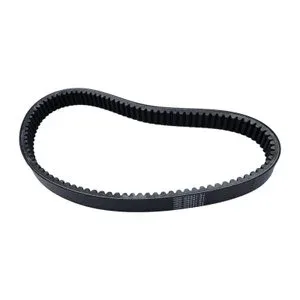
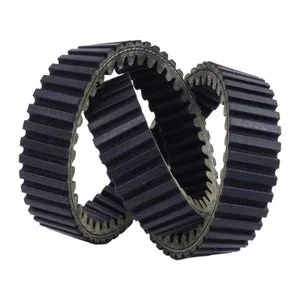
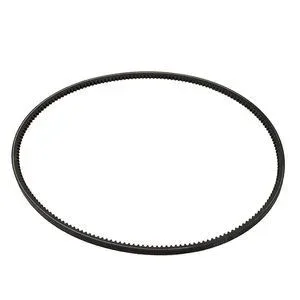
Matched System Supply — Belt drive components ship together with verified tolerances for Yamaha Drive2 engine rebuilds.
Technical Specifications
| Parameter |
Value |
| Part Number |
J0D-G6241-00-00 |
| Product Type |
Belt |
| Cross-Reference |
J0DG62410000 (reference only) |
| Machine Fitment |
Yamaha Gas Golf Cart Drive2 (2017-Up) |
| Condition |
New Aftermarket |
| Warranty |
3-12 months against manufacturing defects |
| MOQ |
1 piece |
| Certification |
ISO 9001 |
Application Suitability
| Engine System |
Related Components |
| Primary Drive / CVT |
Drive clutch sheaves, driven clutch assembly, tensioner hardware |
| Accessory Drive |
Cooling fan drive, generator coupling, auxiliary pump belts |
| Overhaul Kit Content |
Clutch belt, sheave seals, slider bushings, torque spring |
What Fails First When the Drive Clutch Belt Slips Under Load
The belt is usually the symptom, not the root cause.
In the workshop, I have opened too many Drive2 transmissions where the owner kept swapping belts every few weeks. The worn surface on the movable sheave or a fatigued torque spring changes the running radius, forcing the belt to ride at an angle that accelerates edge wear. A fresh Drive Clutch Belt engine rebuild replacement will follow the same path if the mating surfaces are not checked. Rebuild shops that ignore sheave taper wear end up with repeat comebacks [NEED_CITE: CVT sheave wear measurement standards for small displacement engines].

Where the Belt Sits in the Drive2 Power Transfer Path
This Drive Clutch Belt sits between the engine output shaft and the transaxle input, acting as the variable-ratio link in the continuously variable transmission. During an engine rebuild or top-end refresh, the belt must be matched to the specific sheave profile and clutch spring rate of that engine serial variant. Supplying the belt as an isolated item without confirming adjacent component condition leads to early slip and heat degradation. A Drive Clutch Belt engine rebuild replacement belongs in a system-level parts list, not a single-line purchase order.
Matching Tolerances Across Drive2 Engine Serial Variants
Yamaha introduced dimensional revisions to the Drive2 clutch system across production years, meaning the same base designation can correspond to slightly different belt widths and cord angles. We verify the engine serial range before confirming this J0D-G6241-00-00 fitment, cross-referencing against the J0DG62410000 interchange to rule out superseded builds. Shops that skip this step often receive a belt that seats but runs hot within the first hundred cycles [NEED_CITE: CVT belt dimensional tolerance verification procedures].
Reading the Spec Sheet for Belt Drive Rebuilds
The part designation confirms the belt's intended operating envelope within the Drive2 CVT. Width and top-angle determine how the belt contacts the sheave faces under varying clamp loads. The tensile cord construction resists the continuous cyclic loading as the belt transitions between low and high ratio positions. Material compound selection balances friction coefficient for grip against heat resistance during sustained load. A belt that meets dimensional specs but uses an incompatible compound will either slip under load or glaze the sheave surfaces. These interactions are why the Drive Clutch Belt engine rebuild replacement must be evaluated as part of the clutch system, not in isolation.
The Rework Cost of Skipping System-Level Diagnosis
When a shop installs a new belt without addressing worn sheave bushings or a weakened torque spring, the comeback happens within the first month of operation. The customer blames the belt quality. The shop absorbs the labor and reputation loss. The machine sits down again while waiting for a second round of parts. This pattern repeats until someone checks the full drive clutch assembly and replaces the components that altered the belt's running geometry in the first place [NEED_CITE: CVT system failure root cause analysis methodology].
Why Rebuild Shops Source This Belt Through XUNPO
Own production lines and qualified sourced supply carry identical warranty terms, so the Drive Clutch Belt ships with the same coverage regardless of production origin. Eight component categories under one account means the belt, sheave seals, and tensioner hardware consolidate into a single dispatch. Single-piece minimum order allows emergency one-unit repairs without blocking on volume thresholds. Guangzhou warehouse stock enables fast release on common Drive2 belt designations. Part identification works from the number, machine model, or a photograph of the worn belt and nameplate. Cross-reference verification covers superseded designations and alternate numbering schemes. Sample supply lets shops confirm fitment before committing to bulk inventory.
Documentation & Verification
- Commercial invoice listing J0D-G6241-00-00 with Drive2 fitment declaration
- Cross-reference sheet mapping J0DG62410000 and superseded designations (reference only)
- Dimensional inspection record covering belt width, angle, and tensile cord count
- Warranty terms document specifying coverage period and defect claim procedure
- Packing photographs showing belt condition and packaging integrity before dispatch
- HS code and customs classification support for international belt shipments
Installation & Rebuild Sequence
- Inspect drive and driven sheave faces for taper wear before fitting the new Drive Clutch Belt
- Clean all clutch components with non-residue solvent to prevent compound contamination
- Verify torque spring free length and rate against Drive2 service manual specifications
- Route the belt without prying or rolling to avoid internal cord damage
- Run the engine at idle for initial seating before applying load
- Recheck belt tracking and tension after the first operating cycle
Requesting a System-Matched Quote
Provide the engine model year, serial number, and any prior rebuild history so we can confirm whether this belt designation matches your specific Drive2 build. If the sheaves have been machined or replaced with aftermarket units, note those details for tolerance verification.
Frequently Asked Questions
Q: What other belt drive components should be replaced during a clutch belt service?
A: Sheave slider bushings, torque springs, and seal rings typically reach end-of-life alongside the belt. Replacing these as a matched set prevents the new belt from tracking on worn surfaces, which would otherwise accelerate edge wear and generate repeat failures within weeks of the repair.
Q: Does this belt fit all Drive2 engine serial variants from 2017 onward?
A: Not universally. Yamaha introduced dimensional revisions across Drive2 production runs, affecting belt width and cord angle specifications. We verify your engine serial number against our fitment database before confirming this designation, preventing mismatched supply that would require return and reorder.
Q: How do I confirm my engine build requires this specific belt designation?
A: Provide the engine serial number from the nameplate, or a photograph showing the existing belt markings and sheave casting numbers. Our technical team cross-references these against the J0D-G6241-00-00 and J0DG62410000 designations to confirm the correct variant for your specific build.
Q: Can I source a complete belt drive overhaul kit with matched components?
A: Yes. We consolidate the clutch belt, sheave seals, slider bushings, torque spring, and tensioner hardware into a single kit matched to your engine serial variant. This eliminates the mismatched lead times and compatibility gaps that occur when sourcing components from multiple suppliers separately.