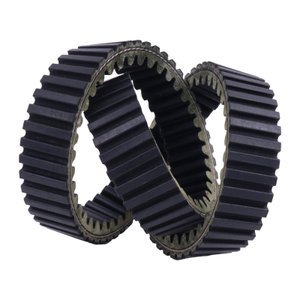
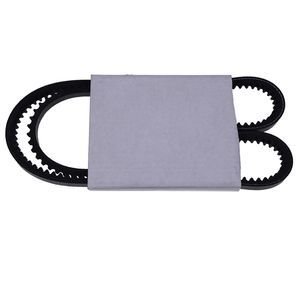
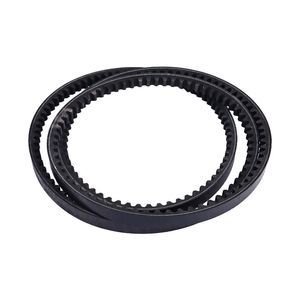
Engine System Overhaul Kit Matched — Every belt in this CVT drive system arrives with verified cross-reference data so rebuild shops can confirm fitment against KAF model codes before wrenching starts.
Technical Specifications
| Parameter |
Value |
| Part Number |
59011-1077 |
| Product Type |
Drive Belt |
| Cross-Reference |
59011-1077 (reference only), 590111077 (reference only), 59011-1053 (reference only), 590111053 (reference only) |
| Machine Fitment |
Mule 2010 KAF540, Mule 2020 KAF540, Mule 2030 KAF540E, Mule 3000 KAF620G, Mule 3010 KAF620E 4x4, Mule 3020 KAF620F, Mule 4000 series, Mule 4010 series |
| Material |
EPDM rubber compound with aramid-reinforced tensile cords |
| Temperature Range |
–40°C to +120°C |
| Profile |
Trapezoidal, pitch and angle tolerances within ±0.15° |
| Surface Texture |
Micro-ribbed |
| Condition |
New Aftermarket |
| Warranty |
6-month warranty against manufacturing defects |
| Standards |
ISO 9001, ISO 16085 |
Application Suitability
| Engine System |
Related Components |
| CVT power transmission |
Primary and secondary clutch assemblies, drive and driven pulleys |
| Engine auxiliary drive |
Tensioner bearings, idler pulleys, belt guides |
| Cooling system accessory drive |
Water pump coupling, fan drive components |
| Scheduled overhaul wear items |
Complete CVT service kits, seal kits, gasket sets |
Why a New Belt Fails Within Days of Installation
Replacing the drive belt without diagnosing the root cause inside the CVT system exposes the new component to the same destructive pattern.
In the desert environments around Dubai, I have pulled Mule UTVs off the trail with shredded belts that had fewer than fifty hours of run time. The operator swapped the belt and sent the machine back out, only to have it fail again in the same spot. A seized tensioner bearing or a worn primary clutch sheave will destroy any belt — regardless of its construction — within a matter of days [NEED_CITE: CVT system failure root-cause analysis for utility vehicles]. Addressing the system-level fault before installing a replacement Drive Belt 59011-1077 replacement for Kawasaki Mule CVT engine system components is the only path to lasting repair.
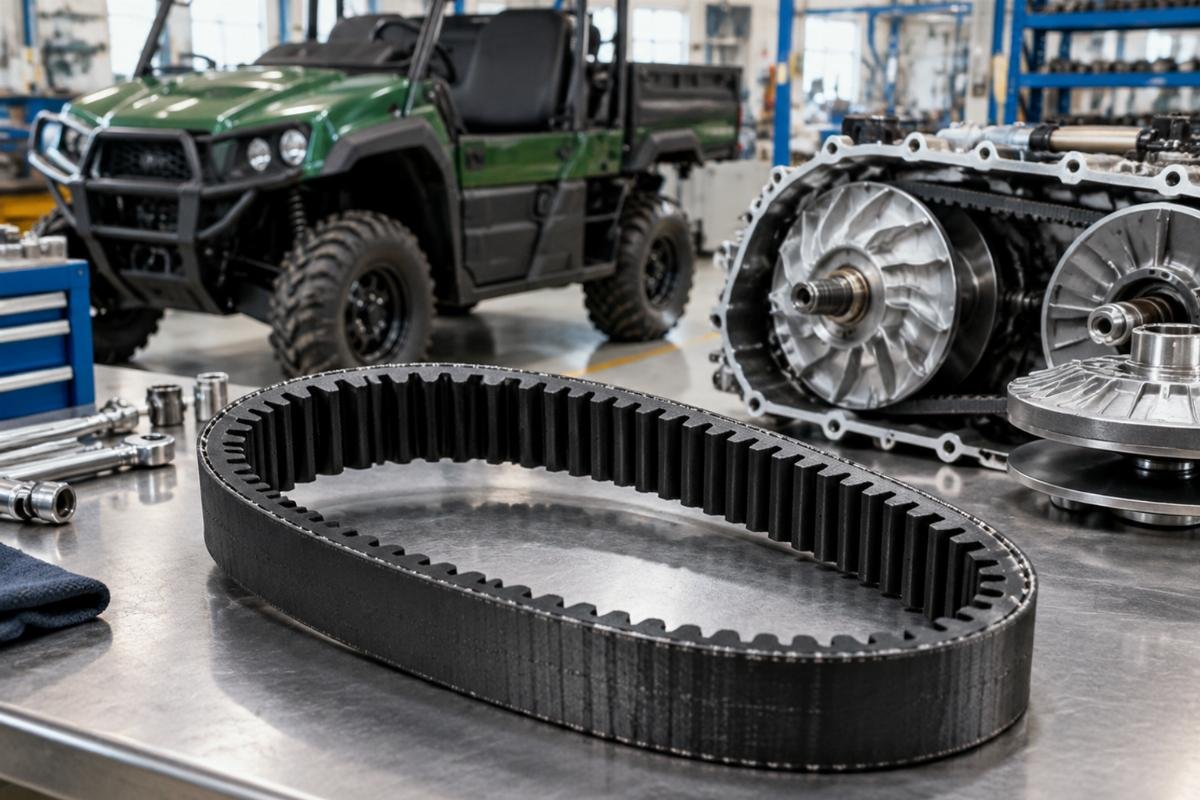
Where This Belt Sits in the CVT Power Path
The CVT system in a Kawasaki Mule transmits engine torque through a variable-ratio belt-and-pulley arrangement. This drive belt connects the primary clutch on the engine crankshaft to the secondary clutch on the transmission input shaft. When the belt degrades, slippage generates excess heat, which accelerates wear on the clutch sheaves and can damage the transmission input bearing. Treating this component as an isolated wear item misses the cascading damage pattern.
What the System Tells You Before the Belt Breaks
A glazing or burning smell from the CVT housing often precedes visible belt damage. You may also notice the machine struggling to reach top speed or hesitating under load, symptoms that point to belt slippage already underway. By the time the belt snaps, the clutch faces and pulley surfaces have typically accumulated scoring that a new belt alone cannot resolve [NEED_CITE: CVT belt slippage diagnostic indicators in utility terrain vehicles]. Matching the replacement belt with inspected or refreshed clutch components prevents the repair from becoming a recurring job.
Trapezoidal Profile and Aramid Cord Construction Explained
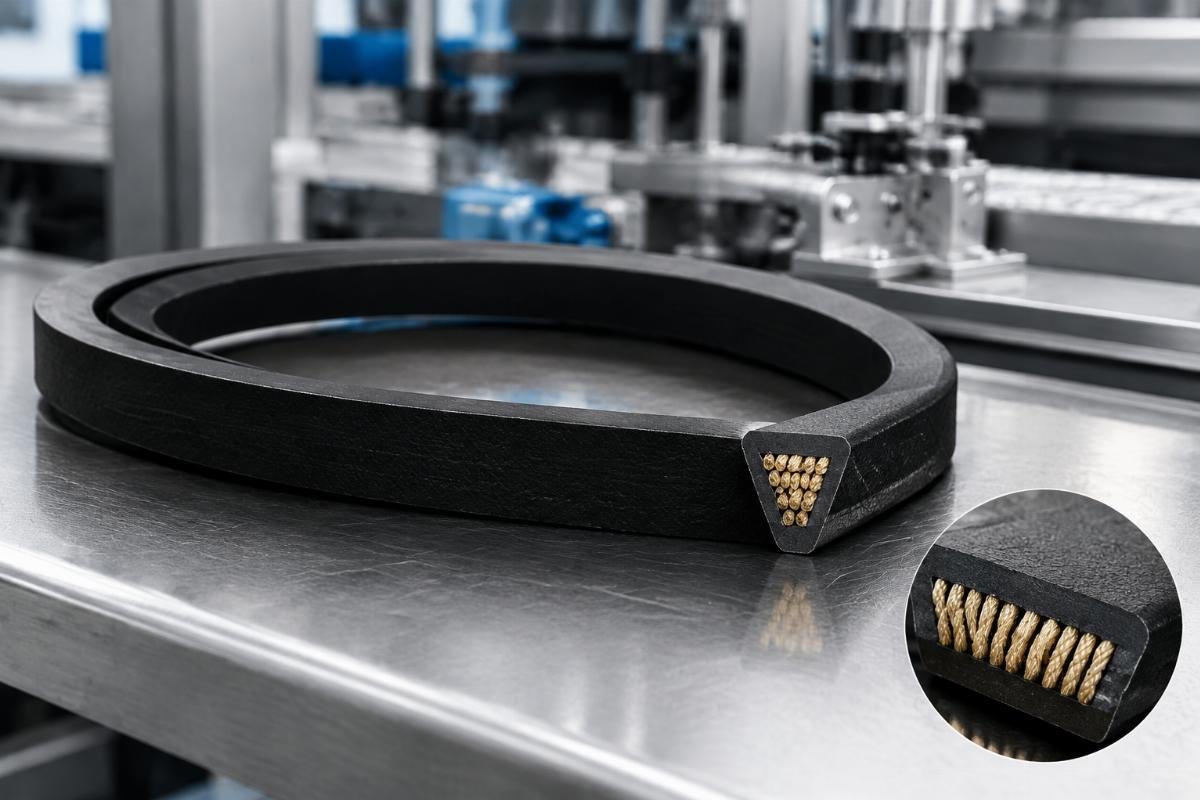
The trapezoidal profile of this belt is machined to pitch and angle tolerances within ±0.15°, which ensures consistent engagement with both the primary and secondary pulleys across the full ratio range. The EPDM rubber compound maintains flexibility from –40°C to +120°C, resisting the ozone cracking that degrades standard neoprene belts in high-heat CVT housings. Aramid-reinforced tensile cords deliver higher break strength than polyester alternatives, which is critical when the engine is lugging at low RPM under heavy load. The micro-ribbed surface texture increases the friction coefficient between belt and pulley, reducing the slippage that commonly plagues older Mule variants during rapid acceleration.
The Cost of Skipping System-Level Inspection
Sending a machine back into the field with only a new belt and no clutch inspection leads to repeat failures that compound operational losses. A second teardown doubles labor hours, and the secondary damage to pulley surfaces may push the repair from a belt swap into a full clutch rebuild. Fleet operators running multiple Mule units in mining or agricultural environments face cascading downtime when the same root cause is left unaddressed across the fleet [NEED_CITE: total cost of repeat CVT repairs in fleet utility vehicles].
Why Rebuild Shops Source This Belt Through Our Account
We run our own production on selected part lines and source the remainder through qualified ISO-certified partners, so both carry the same warranty terms. Eight product categories under one account mean the CVT belt, clutch seals, and tensioner bearings all ship on a single commercial invoice. Minimum order starts at one piece, which suits emergency single-machine repairs. Our technical team verifies cross-reference numbers 59011-1077 and 59011-1053 against your specific KAF model code before dispatch. Sample units are available for physical fitment confirmation before you commit to bulk quantities.
Documentation & Verification
- Commercial invoice listing each KAF model code and matched belt quantity
- Cross-reference sheet mapping 59011-1077 and 59011-1053 to applicable Mule variants (reference only)
- Quality inspection record confirming dynamic load testing on sampled units
- Warranty terms covering manufacturing defects for the stated period
- Packing photographs showing sealed retail boxes with protective foam lining
- HS code and customs documentation for international CVT parts shipments
Installation & Rebuild Sequence
- Clean the CVT housing thoroughly before routing the new belt to prevent debris ingestion into the clutch assemblies
- Verify the trapezoidal profile seats fully in both primary and secondary pulley grooves without lateral play
- Inspect tensioner bearing rotation and idler pulley runout before final belt tensioning
- Confirm belt tracking alignment at idle RPM before applying load during the initial break-in cycle
Request a Matched CVT Service Quote
Provide your engine model, KAF code, and any previous rebuild history so we can confirm the correct cross-reference number and identify which adjacent CVT components should ship alongside the belt. Our technical team will return a consolidated parts list matched to your specific Mule variant.
Frequently Asked Questions
Q: What CVT components should be inspected or replaced alongside the drive belt?
A: The primary and secondary clutch sheaves, tensioner bearing, and idler pulley should all be checked for scoring, play, and smooth rotation. Worn clutch faces or a seized bearing will destroy a new belt rapidly. We supply matched CVT service components so the entire system can be addressed in one order.
Q: How do engine serial variants across Mule 3010 and 4010 affect belt fitment?
A: Different KAF model codes within the Mule 4010 range use distinct engine configurations that may require different belt lengths or profiles. Provide your specific KAF code and engine serial so we can cross-reference the correct number and confirm fitment before shipping.
Q: What system-level fault typically causes premature belt failure?
A: Seized tensioner bearings, worn clutch sheaves, and misaligned pulleys are the most common root causes. Heat buildup from slippage accelerates belt degradation. Diagnosing and correcting these faults during belt replacement prevents repeat failures within weeks of the repair.
Q: Can I get a matched service kit with belt, clutch components, and seals?
A: Yes. We consolidate drive belts, clutch assemblies, seal kits, and gaskets under one account with one warranty. Provide your complete repair list or machine model, and we will quote the matched kit for your specific Mule variant.
Q: How do I confirm the correct OEM cross-reference number for my machine?
A: Send us your machine model, KAF code, or a photograph of the existing belt and nameplate. We verify cross-reference numbers 59011-1077 and 59011-1053 against your specific configuration and return a confirmed compatibility sheet before you order.