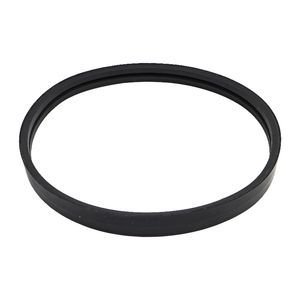
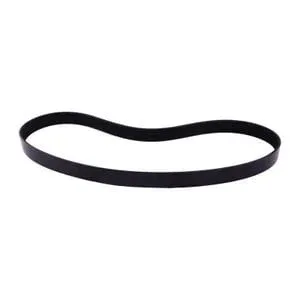
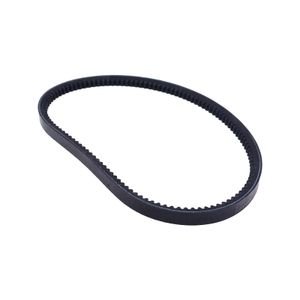
Engine system components matched — Belt drive components verified against Toro Groundsmaster engine serial variants before dispatch, ensuring the complete system is addressed in a single shipment.
Technical Specifications
| Parameter |
Value |
| Part Number |
106-4383 |
| Product Type |
Belt |
| Cross-Reference |
53-9660, 265-896, 23-1820 (reference only) |
| Machine Fitment |
Toro Groundsmaster 322-D, 325-D, 327, 328-D, 345, Toro 30721, Lawn-Boy Mower |
| Material Composition |
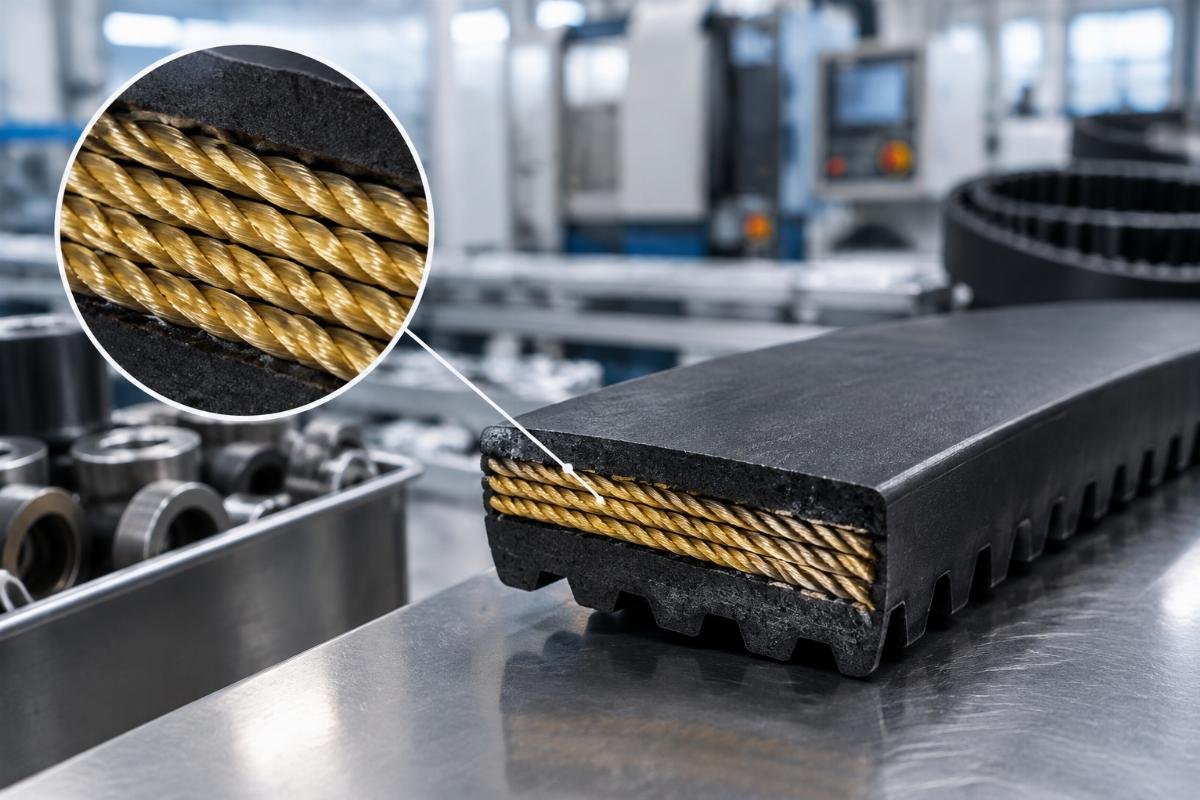
High-tensile EPDM rubber compound with aramid cord reinforcement |
| Operating Temperature |
up to 120°C |
| V-profile Included Angle Tolerance |
±0.5° |
| Overall Length Tolerance |
±1.2 mm |
| Hardness |
Shore A 65–70 |
| Condition |
New Aftermarket |
| Warranty |
6 months against manufacturing defects |
| MOQ |
1 piece |
Application Suitability
| Engine System |
Related Components |
| Belt Drive System |
Tensioner assemblies, idler pulleys, pulley bearings |
| Accessory Drive |
Cooling fan drive, alternator drive, hydraulic pump drive |
| Scheduled Maintenance |
Complete belt drive overhaul kits, matched pulley sets |
Why the Belt Drive System Fails Before the Belt Does
Replacing a fractured belt without addressing the root cause within the belt drive system often leads to rapid repeat failure.
When a Toro Groundsmaster 322-D arrives at the workshop with a shredded drive belt, the immediate reaction is to swap the belt and return the machine to service. Yet, the underlying issue frequently lies in a seized tensioner bearing, a misaligned pulley, or debris ingestion that compromised the belt tracking. A new Drive Belt engine rebuild replacement installed over a worn tensioner will fail prematurely, forcing the machine back into the shop and compounding the downtime [NEED_CITE: root cause analysis for belt drive system failures in commercial mowing equipment].
The System-Level View of Belt Drive Maintenance
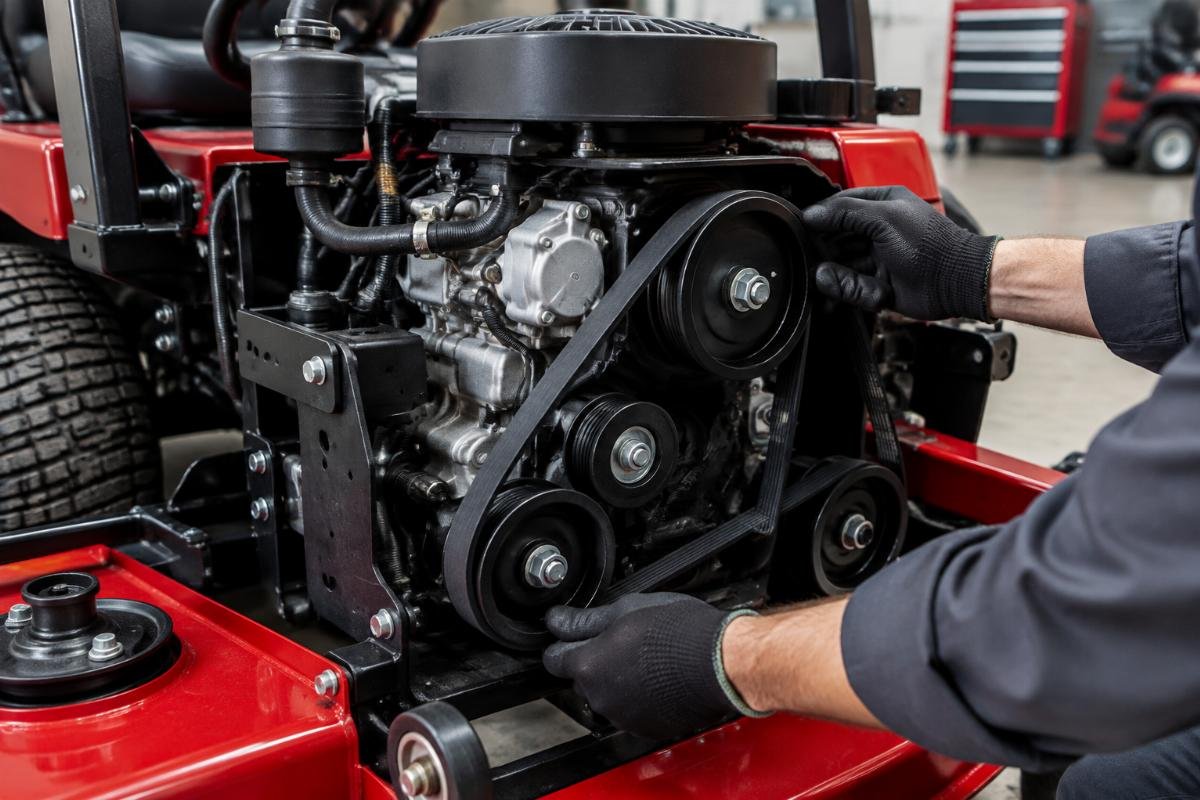
This drive belt transmits crankshaft torque to auxiliary driven components within the engine system. When planning an engine overhaul or a comprehensive belt drive system refresh, pairing this component with matched tensioners and idler pulleys ensures the entire power transfer path is addressed. A single Drive Belt engine rebuild replacement is only as reliable as the hardware guiding and tensioning it.
Addressing the Root Cause of Premature Wear
Belt failure is rarely an isolated event; it is a symptom of systemic degradation. Pulley misalignment causes the belt to ride against the sheave walls, generating excessive heat and accelerating edge wear. Worn tensioner bearings introduce harmonic vibration that fatigues the aramid cord reinforcement over time. Diagnosing these system-level conditions alongside the Drive Belt engine rebuild replacement prevents the cycle of reactive maintenance that plagues commercial landscaping fleets [NEED_CITE: diagnostic procedures for accessory belt drive noise and vibration].
Material and Geometry Specifications in Context
The EPDM compound formulation maintains dimensional stability at sustained high operating temperatures, which is critical for commercial mowers operating under continuous load in high ambient heat. The aramid cord reinforcement resists elongation through repeated tension cycles, preserving the tracking geometry. The V-profile included angle tolerance of ±0.5° ensures consistent contact with the pulley grooves, preventing the lateral slip that leads to glazing and power loss. Furthermore, the overall length tolerance within ±1.2 mm allows for direct interchangeability without requiring manual adjustment to the tensioner travel limits, simplifying the installation sequence during an engine system overhaul.
The Hidden Cost of Ignoring System Matching
Sourcing a replacement belt without verifying the condition of the tensioner and pulleys leads to predictable rework. If the tensioner spring has fatigued, it cannot maintain the necessary clamping force, causing the new belt to slip and overheat within the first few hours of operation. This forces the workshop to pull the machine offline again, repeating the labor cost and frustrating the equipment owner. Addressing the system holistically during the initial repair eliminates this redundant downtime and protects the workshop's reputation for reliable service [NEED_CITE: cost impact of repeat repairs in commercial turf equipment maintenance].
Why Source Engine System Components Here
Our approach to the belt drive system goes beyond simply listing a part number. We verify the engine serial variant to ensure the belt length and profile match the specific build of your Toro Groundsmaster, as production changes can alter the routing path. The technical team reviews cross-reference data to confirm compatibility with superseded numbers, preventing the installation of an incorrect profile. We offer matched sets comprising the belt, tensioner, and pulleys under a single warranty, streamlining the procurement process for engine rebuild shops. Furthermore, we provide sample supply for fitment confirmation before fleet-level commitments, ensuring the components integrate correctly with your existing hardware.
Documentation & Verification
- Commercial invoice detailing the specific belt profile and length tolerances verified for your engine variant.
- Cross-reference sheet mapping OEM numbers (for identification purposes) to confirmed aftermarket equivalents.
- Quality inspection record covering Shore A hardness and dimensional checks per production batch.
- Warranty terms covering manufacturing defects for the belt and matched system components.
- Packing photographs confirming the condition of the aramid-reinforced belt prior to dispatch.
Installation & Rebuild Sequence
- Inspect all pulley grooves for wear and debris before routing the new EPDM belt to prevent immediate surface damage.
- Verify tensioner bearing smoothness and spring tension; replace if any roughness or slack is detected during rotation.
- Align the belt within the V-profile grooves, ensuring no lateral twist exists before applying final tension.
- Run the engine at idle to allow the aramid cords to seat, then re-check tension after the initial thermal cycle.
Inquiry and System Verification
Provide the engine model, machine serial number, and any known history of previous rebuilds to confirm the correct belt drive system variant. If the existing belt is heavily worn, photographs of the routing path and tensioner assembly help us verify the necessary matched components for a complete system refresh. This ensures the Drive Belt engine rebuild replacement arrives with the correct supporting hardware for a definitive repair.
Frequently Asked Questions
Q: What other belt drive system components should be replaced together with this belt?
A: When performing a system refresh, we recommend inspecting and potentially replacing the tensioner assembly, idler pulleys, and any associated bearings. If the previous belt failed due to misalignment or seizing, these components are likely compromised. Sourcing a matched set ensures all wear points are addressed simultaneously, preventing early failure of the new belt due to degraded supporting hardware.
Q: Does the same belt part number apply across all Groundsmaster engine serial variants?
A: Not always. Production changes or engine swaps within the Groundsmaster series can alter the belt routing path or pulley diameters, requiring a different length or profile. It is essential to confirm the specific engine serial number and cross-reference the application data to guarantee the belt matches the physical layout of your machine's accessory drive system.
Q: How do I confirm the correct belt specification when my engine has been previously rebuilt?
A: Engines that have undergone prior overhauls may feature non-standard pulleys or modified tensioner setups. Providing the engine serial number and, if possible, images of the current belt routing allows our technical team to verify the required length and V-profile geometry, ensuring the replacement integrates correctly with the existing rebuilt configuration.
Q: What system-level conditions cause premature belt failure beyond normal wear?
A: Premature failure often stems from pulley misalignment, worn tensioner bearings introducing vibration, or debris ingestion that damages the belt edges. Oil leaks from adjacent engine seals can also degrade the EPDM compound. Diagnosing these underlying issues is critical; otherwise, a new belt will simply succumb to the same systemic faults that destroyed the original component.