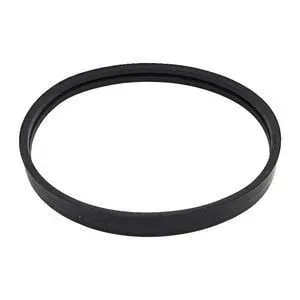
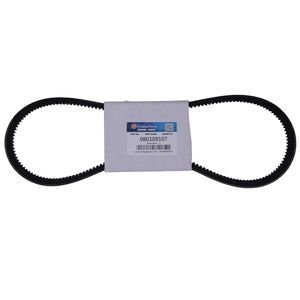
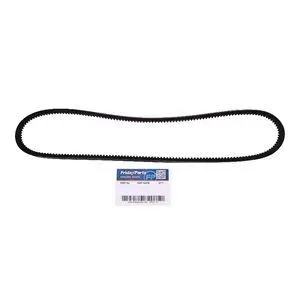
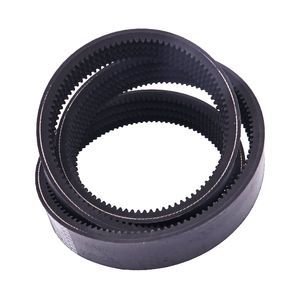
Matched Drive Sets — Belt routing verified against Groundsmaster variant diagrams before dispatch, ensuring tensioner and pulley compatibility across the system.
Technical Specifications
| Parameter |
Value |
| Part Number |
106-4383 53-9660 |
| Product Type |
Belt |
| Cross-Reference |
106-4383, 1064383, 53-9660, 539660, 265-896, 265896, 23-1820, 231820 (reference only) |
| Machine Fitment |
Groundsmaster 322-D, 325-D, 327, 328-D, 345, 30721, Lawn-Boy Mower |
| Brand Compatibility |
Toro, Lawn-Boy |
| Condition |
New Aftermarket |
| Material |
Precision-molded rubber compounding with reinforced cord construction |
| Warranty |
3-12 months against manufacturing defects |
Application Suitability
| Engine System |
Related Components |
| Primary Belt Drive Circuit |
Tensioner assembly, idler pulleys, drive pulleys |
| Deck Spindle Drive |
Spindle bearings, secondary belts, engagement cables |
| Accessory Drive Routing |
Keepers, belt guides, clutching mechanisms |
Why the Old Belt Failed Before the New One Arrives
Replacing the belt without inspecting the rest of the drive system means the underlying fault goes unaddressed.
In my time sourcing for fleet operations, I watched a Toro Groundsmaster 325-D go through three replacement belts in a single season because the team kept swapping rubber without checking the tensioner bearing. The belt is just the symptom. The worn idler pulley or seized tensioner is the disease [NEED_CITE: premature belt failure root cause analysis in commercial mowing equipment]. A drive belt engine replacement rebuild starts with diagnosis, not just a part number. You need to look at what killed the last belt before the new one takes its place.

The System Behind the Belt
Every Drive Belt engine replacement rebuild involves a chain of components that share the load. This belt routes through idler pulleys, engages with the deck spindle drive, and relies on a functioning tensioner to maintain proper deflection. If any of those adjacent components have worn bearings, misaligned mounting brackets, or seized pivots, the new belt absorbs the punishment. The reinforced cord construction in this belt handles normal operating tension and heat, but it cannot compensate for a mechanical fault upstream. System-level supply means pulling the tensioner, pulleys, and belt guides into the same inspection checklist before the machine goes back to work.
Root Cause Diagnosis Before Reinstallation
When the previous belt shows frayed edges, glazing, or snapped cords, those wear patterns tell you where to look next [NEED_CITE: belt wear pattern interpretation for small engine drive systems]. Frayed edges point to misaligned pulleys or damaged belt guides. Glazing indicates slipping caused by a weak tensioner or contaminated pulley grooves. Snapped cords suggest a seized idler bearing or debris jam in the pulley path. Skipping this diagnosis leads to repeat failures that consume parts and labor without solving anything. The belt routing diagram for your specific Groundsmaster variant shows every contact point that needs inspection.
Belt Construction and Operating Demands
The precision-molded rubber compounding resists heat buildup from continuous engagement in high-grass commercial mowing conditions. Reinforced cord construction maintains tensile strength across the belt length, preventing stretch and tracking loss during heavy load cycles. Proper tension is critical — too loose causes slip and glaze, too tight overloads the tensioner bearing and spindle seals. The rubber compound must stay flexible across ambient temperature swings without cracking in storage or softening under sustained friction. These material properties determine how the belt handles the daily shock loads from engaging a spinning deck at full throttle.
What Mismatched Components Cost in Repeat Failures
Pulling a deck to swap a belt that failed because the tensioner was ignored means paying for the same labor twice. The second belt often arrives as an emergency order with expedited freight, compounding the cost. Meanwhile the machine sits idle during peak season when every mowing hour counts toward contract obligations [NEED_CITE: equipment downtime cost accumulation in commercial groundskeeping operations]. A system-level approach catches the worn tensioner bearing or bent idler bracket during the first teardown, consolidating the repair into one planned event instead of a cycle of breakdowns.
Sourcing the Complete Drive System Together
Our own production lines and qualified sourced partners operate under the same warranty terms, so a belt shipped with its matching tensioner and pulley set carries consistent quality assurance. Eight product categories under one account means the belt, tensioner, idler pulleys, and belt guides consolidate into a single consignment rather than arriving from different suppliers on different schedules. Minimum order from one piece supports emergency single-belt replacements and scheduled fleet overhauls with the same process. Our technical team verifies cross-reference numbers including superseded and alternate references, catching variant mismatches before the package ships. Sample supply allows fitment confirmation on the machine before bulk commitment on fleet orders.
Documentation & Verification
- Commercial invoice listing belt part numbers with cross-reference designations marked reference only
- Compatibility sheet mapping 106-4383 and 53-9660 to specific Groundsmaster serial ranges
- Dimensional inspection record confirming belt length and cord reinforcement integrity
- Warranty terms document covering manufacturing defects for 3-12 months
- Packing photographs showing belt coiling and protective wrapping before crate closure
- HS code classification support for international customs clearance on rubber drive belts
Installation & Rebuild Sequence
- Route the belt through all pulley grooves following the Groundsmaster-specific diagram before applying tension
- Inspect tensioner pivot and idler bearings for free rotation before belt installation
- Verify belt deflection at the midpoint between pulleys matches manufacturer specification
- Run the deck engagement at idle speed first to confirm belt tracking without lateral drift
- Check belt alignment after initial warm-up cycle and retension if tracking has shifted
Request a System-Level Quote
Provide your Groundsmaster model designation, serial number, and the cross-reference numbers from your existing belt or parts manual. Note any previous rebuild work on the drive system and which components were replaced. This information allows us to verify variant compatibility and recommend adjacent components for inspection or replacement in the same shipment.
Frequently Asked Questions
Q: What other drive system components should I inspect when replacing this belt?
A: Check the tensioner assembly pivot and bearing, all idler pulleys for free rotation and groove wear, drive pulleys for nicks or buildup, and belt guides or keepers for deformation. Any worn component in the belt path will shorten the replacement belt service life. Replace compromised components in the same service event.
Q: How do I confirm which cross-reference number matches my mower?
A: Cross-reference numbers 106-4383 and 53-9660 are marked reference only for identification. Confirm your Groundsmaster model and serial range against the compatibility sheet. Serial range determines which belt routing applies, as variant differences exist within the same base model across production years.
Q: Why did my previous belt fail prematurely — is it a system issue?
A: Premature belt failure typically traces to a worn tensioner bearing, misaligned pulley, seized idler, or debris interference rather than belt material failure. Inspect wear patterns on the old belt for clues. Address the root cause before installing the replacement to prevent repeat failure within the first mowing cycles.
Q: Can I order tensioners and pulleys together with this belt?
A: Yes, tensioner assemblies, idler pulleys, drive pulleys, and belt guides ship in the same consignment as the belt. Consolidated supply avoids split freight and ensures all drive system components arrive together for a single planned service event.
Q: How do I identify my exact Groundsmaster model if the nameplate is worn?
A: Submit a photograph of the machine, engine label, or any readable casting numbers. Our technical team identifies the model from visual features and cross-references available belt routing configurations. Sample supply for fitment confirmation is available before bulk commitment on fleet orders.