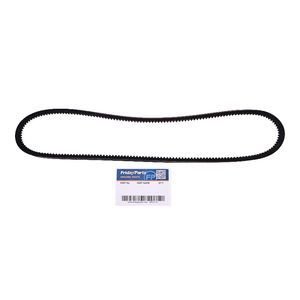
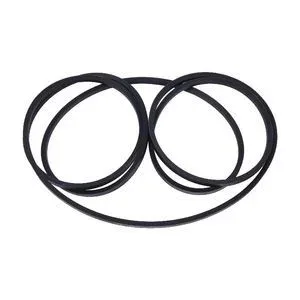
Matched Belt Sets — Drive and alternator belts verified against engine serial variants to prevent tension mismatch during Bobcat loader overhauls.
Technical Specifications
| Parameter |
Value |
| Part Number |
6726898, 6675837 |
| Product Type |
Belt |
| Cross-Reference |
6726898 (reference only), 6675837 (reference only) |
| Machine Fitment |
Bobcat 753, 763, 773, S150, S160, S175, S185, T180, T190 |
| Part Name |
Drive & Alternator Belt Set |
| Condition |
New Aftermarket |
| Warranty |
3-12 months against manufacturing defects |
| MOQ |
1 piece |
| Quality Standard |
ISO 9001 |
Application Suitability
| Engine System |
Related Components |
| Belt drive and charging system |
Tensioner assembly, idler pulleys, alternator bracket |
| Engine cooling fan drive |
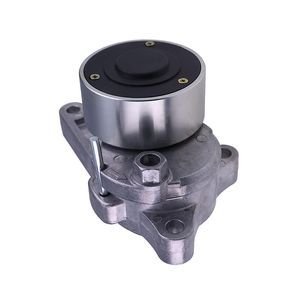
Fan belt, fan clutch, water pump pulley |
| Hydraulic pump drive |
Main drive belt, pump coupling, hydraulic pump mount |
| Auxiliary front-end drive |
A/C compressor belt, power steering belt |
Why the Belt-Drive System Fails Before the Belt Does
A matched Drive & Alternator Belt Set engine rebuild replacement resolves the tension imbalance that causes early belt failure.
When a drive belt snaps on a compact loader, the alternator belt has already endured the same heat cycles, the same pulley wear, and the same tensioner fatigue. Swapping only the broken belt leaves a companion belt running on degraded compound, and the new belt absorbs the tension difference that fatigues the tensioner bearing. In my time supporting rebuild shops across West African mining sites, I documented repeated cases where a single-belt replacement failed within weeks, not because the belt was defective, but because the system was never balanced [NEED_CITE: belt-drive system tension balance during engine rebuild]. The Drive & Alternator Belt Set engine rebuild replacement addresses this root cause by supplying both belts manufactured from identical rubber compound and tooth profile.
The Belt-Drive Subsystem in Bobcat Loader Engines
The drive belt on a Bobcat skid steer transmits crankshaft output to the hydraulic pump and auxiliary systems, while the alternator belt maintains electrical charging for the machine control systems. Both belts share the same tensioner and pulley environment inside an enclosed engine bay where ambient temperatures climb significantly during continuous operation. Replacing them as a matched Drive & Alternator Belt Set engine rebuild replacement ensures both belts degrade at a similar rate, so the next service interval arrives predictably rather than as an emergency breakdown.
Engine Serial Variants and Belt Length Confirmation
Bobcat loaders in the S150 through S185 range and the T180/T190 track loader series share common engine platforms, but belt length and width can vary across engine serial ranges within the same machine model. A loader produced early in the S175 run may carry a different alternator pulley diameter than one from a later production batch, altering the required belt length even though the base reference numbers 6726898 and 6675837 remain the same. Before confirming an order, I always request the engine serial number — not just the machine model — to verify which belt variant fits [NEED_CITE: engine serial variant identification for belt-drive components]. This step prevents the costly return cycle that happens when a belt that is technically the right part number still does not seat correctly on the pulley.

Compound, Reinforcement, and Tooth Profile
The belts in this set use a high-strength rubber compound with synthetic fiber reinforcement, selected to resist the combined heat and abrasion load inside the enclosed engine compartment of a compact loader. The tooth profile is precision-molded to match the reference dimensions of the OEM pulley grooves, which reduces slippage noise and prevents the belt from riding up on the pulley shoulder during high-torque starts. Correct tooth engagement also lowers the lateral load on the tensioner bearing, which matters because a worn tensioner bearing will destroy any belt regardless of compound quality. For engine rebuild shops performing full overhauls on Bobcat 753, 763, or 773 loaders, fitting a matched Drive & Alternator Belt Set engine rebuild replacement alongside inspected or renewed pulleys keeps the entire belt-drive subsystem within tolerance.
Tension Matching Across the Belt Pair
When two belts of different ages or compounds run on the same tensioner, the stiffer belt absorbs a disproportionate share of the load. This accelerates wear on the tensioner spring and causes the softer belt to flutter, generating heat at the pulley contact face. A matched set eliminates this imbalance because both belts carry identical stiffness characteristics from the first minute of operation. During engine reassembly, the technician sets the tensioner once, and both belts respond uniformly. This consistency matters especially in the drive belt position, where load spikes from hydraulic pump engagement test the belt-to-pulley interface repeatedly throughout each shift [NEED_CITE: matched belt set tension uniformity in auxiliary drive systems].
The Cost of Ignoring the Companion Belt
Leaving a fatigued alternator belt in place when replacing a failed drive belt creates a predictable cycle of repeat failure. The new belt operates under correct tension while the old belt stretches unevenly, transferring cyclic shock loads through the shared tensioner. The result is premature tensioner bearing wear, misalignment that scores pulley grooves, and a second belt failure that arrives sooner than the first. On a mining site where a Bobcat loader is the only machine moving material to a processing point, that second failure means another unplanned shutdown, another emergency parts order, and lost production hours that accumulate across the fleet. The matched Drive & Alternator Belt Set engine rebuild replacement removes this cycle by treating both belts as a single wear component.
What Makes This Supply Different
Own production on selected belt lines and qualified sourced supply share the same quality control and warranty terms, so consistency holds whether the order is one set or fifty. Eight parts categories mean the belt set ships alongside tensioners, seal kits, and engine overhaul gaskets in a single consignment. The minimum order is one piece, which matters when a rebuild shop needs to confirm fitment on an unfamiliar engine variant before committing to bulk. Part identification works from the part number, the machine model, a photograph of the old belt, or a nameplate image. Cross-reference verification covers superseded and alternate numbers to catch cases where the reference has changed across machine generations. Technical support confirms belt variant and grade before dispatch, reducing the chance of a wrong set reaching the workshop.
Documentation & Verification
- Commercial invoice listing both belt references with cross-reference only notation
- Part compatibility sheet confirming engine serial range and belt variant match
- Quality inspection record covering tensile strength and dimensional checks
- Warranty terms specifying coverage period for manufacturing defects
- Packing photographs showing both belts and kit contents before sealing
- HS code and customs documentation for international engine parts clearance
Installation & Rebuild Sequence
- Inspect tensioner spring and idler pulley bearing before fitting new belts
- Verify belt seating in all pulley grooves after initial tension application
- Confirm alternator belt alignment with straight-edge across pulley faces
- Run engine at idle for initial bedding, then re-check tension after warm-up
- Record installation date and machine hours for next service interval tracking
How to Confirm Your Exact Belt Variant
Provide the engine serial number from the engine nameplate — not just the Bobcat machine model — along with any markings visible on the old belts. If the nameplate is worn or painted over, a photograph of the old belt alongside a ruler helps confirm length and tooth count. For rebuild shops quoting multiple machines, send the engine serial list and we will map each unit to the correct belt variant and flag any superseded reference numbers before the order is placed.
Frequently Asked Questions
Q: Should I replace both belts at the same time even if only one has failed?
A: Yes. Both belts share the same tensioner and pulley environment, so the surviving belt has endured identical heat cycles and fatigue. Installing a new belt alongside an aged companion creates tension imbalance that accelerates wear on the tensioner bearing and causes the new belt to fail prematurely. The matched set ensures both belts carry uniform stiffness from installation.
Q: How do I confirm which belt variant fits my specific Bobcat engine serial number?
A: Bobcat loaders within the same model series can carry different engine builds across production years, altering belt length or width requirements. Provide the engine serial number from the nameplate — not just the machine model. We cross-reference the serial against production records to confirm the correct variant before dispatch, catching superseded numbers that generic listings miss.
Q: What other belt-drive components should I inspect during this service?
A: Check the tensioner spring for fatigue, spin each idler pulley by hand to feel for bearing roughness, and inspect pulley grooves for wear ridges that indicate lateral belt movement. A worn tensioner will destroy any new belt regardless of quality. Replacing tensioner and idler components alongside the matched belt set restores the entire subsystem to balanced operation.
Q: Does the set include both the drive belt and the alternator belt?
A: Yes. This set contains both the drive belt (6726898 cross-reference) and the alternator belt (6675837 cross-reference) as a matched pair. Both belts are manufactured from identical compound and tooth profile to ensure uniform tension and wear characteristics across the belt-drive subsystem during engine maintenance or overhaul.
Q: How can I identify the correct belt if the machine nameplate is worn?
A: Send a photograph of the old belt laid flat alongside a ruler showing overall length, and a close-up of the tooth profile. If the machine model is still readable from the cab decal or frame stamping, that combined with the photo allows us to narrow down the production range and confirm the correct belt variant for your specific loader.