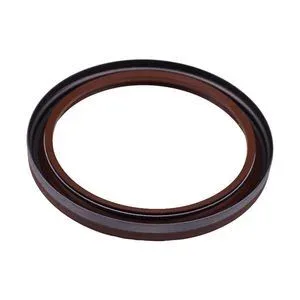
System-Matched Overhaul Seals — Crankshaft seal dimensions cross-checked against Deutz TCD 2.9 and BFL2011 serial variants before dispatch, preventing the all-too-common teardown redo caused by mismatched lip diameters.
Technical Specifications
| Parameter |
Value |
| Part Number |
04102866 04175433 |
| Cross-Reference |
04102866, 04175433, 02108831, 04128170 (reference only) |
| Machine Fitment |
DL2011L, DL2011, BFL2011, BFL1011, TCD 2.9, TCD 3.6, 1011, TCD 2.2 L3 |
| Product Type |
Oil Seal |
| Part Name |
Crankshaft Seal |
| Condition |
New Aftermarket |
| Material |
Metal casing with elastomer sealing lip |
| Warranty |
3-12 months against manufacturing defects |
| Standards |
ISO |
Application Suitability
| Engine System |
Related Components |
| Block & Internal Sealing |
Main bearings, thrust washers, crankshaft damper |
| Crankcase Pressure Management |
PCV valve, breather hose, rocker cover gasket |
| Lubrication Circuit |
Oil pump, oil filter, sump gasket |
| Timing & Drive |
Front cover gasket, timing gear seal, vibration damper bolt |
Why a Crankshaft Seal Fails Again Within Months of Rebuild
A replacement crankshaft seal that ignores the root cause of the previous failure is simply a countdown to the next oil leak.
I have pulled engines apart where the crankshaft seal was replaced during a rebuild, only to see oil weeping past the lip within a few hundred hours. In almost every case, the seal itself was not the problem. Excessive crankcase pressure from a blocked breather, a worn main bearing allowing shaft deflection, or a scored journal surface had destroyed the new lip just as it destroyed the old one. Rebuild shops that treat the crankshaft seal as a simple consumable — swap it and move on — end up absorbing the cost of a second teardown [NEED_CITE: crankcase pressure diagnostics in medium-duty diesel engines]. Matching the seal to the engine serial variant and inspecting the journal surface condition are non-negotiable steps before the new seal goes in.

Where This Seal Sits in the Deutz Overhaul Sequence
This crankshaft seal belongs to the block and internal sealing system of the Deutz DL2011, BFL2011, and TCD 2.9 engine families. During a full overhaul, it is installed after the crankshaft is seated and main bearing caps are torqued, but before the flywheel housing or front pulley is fitted. Getting the sequence right means the seal lip is not exposed to dirt or handling damage while the rest of the assembly continues. For an in-frame repair targeting only the rear or front oil leak, the seal can be accessed without a full strip-down, but only if the crankshaft journal surface is confirmed serviceable.
Serial Variants and the Dimensions That Actually Change
The Deutz TCD 2.9 and BFL2011 families span multiple build generations, and crankshaft seal dimensions are not uniform across all of them. Inner diameter, outer diameter, and lip profile can shift between early and late production engines, even under the same base engine model designation. Before confirming an order, the engine serial number must be checked against the cross-reference table to rule out variant-specific seal dimensions. I have seen workshops order by engine model alone, receive the seal, and discover at the bench that the outer casing is a fraction of a millimeter off — enough to cause an interference fit problem or a slow weep [NEED_CITE: Deutz engine serial variant identification procedures]. The identifiers 04102866 and 04175433 serve as interchange references, but the serial number is the final arbiter.
Reading the Specs That Matter for Seal Life
The metal casing provides the static interference fit in the housing bore — its outer diameter tolerance determines whether the seal stays square during installation and does not walk under vibration. The elastomer sealing lip is the dynamic element, riding on the crankshaft journal surface; its material must tolerate the sump temperature range and resist degradation from diesel engine oil formulations including modern low-SAPS blends. The lip design, typically a single or double lip with a garter spring, maintains radial contact force as the journal rotates. If the journal surface finish exceeds the acceptable roughness threshold, the lip wears prematurely regardless of material quality. Dimensional inspection of both the housing bore and the journal diameter should be completed before pressing the new crankshaft seal into place.
The Hidden Cost of Skipping Root-Cause Diagnosis
Replacing the crankshaft seal without investigating why the previous one failed is the most expensive shortcut in an engine rebuild. If excessive crankcase pressure was the culprit — often traceable to worn piston rings or a clogged breather — the new seal lip will be pushed outward from the inside, causing it to leak or extrude within weeks. A misaligned vibration damper creates an off-center running condition that wears the lip unevenly. Worn main bearings allow the crankshaft to deflect under load, presenting the seal lip with a moving target it was never designed to track [NEED_CITE: main bearing wear and crankshaft deflection effects on seal performance]. Each of these faults is cheap to diagnose during the rebuild and ruinously expensive to discover after the engine is back in the machine.
What Makes This Supply Route Different
Our selected production lines and qualified sourced supply carry identical QC and warranty terms, so this crankshaft seal ships under the same inspection standards regardless of which facility produced it. Eight product categories mean the full overhaul gasket set, main bearings, piston rings, and this seal move under one account with one consignment. Minimum order is one piece — a single emergency seal ships without forcing a bulk commitment. The Guangzhou warehouse stocks common Deutz overhaul consumables for fast dispatch. Our technical team verifies engine serial compatibility and cross-references including superseded numbers like 02108831 and 04128170 before confirming fitment. Samples are available for fitment confirmation before you commit to a fleet-quantity order.
Documentation & Verification
- Commercial invoice listing each seal by identifier and engine serial match
- Cross-reference sheet mapping 04102866 and 04175433 to alternate numbers, marked reference only
- Dimensional inspection record covering inner diameter, outer diameter, and lip specification
- Warranty terms document included with every shipment
- Packing photographs showing seal condition at point of dispatch
- HS code and customs documentation prepared for international clearance
Installation & Rebuild Sequence
- Clean the housing bore to bare metal before pressing in the crankshaft seal — any debris scores the outer casing
- Verify crankshaft journal surface finish and diameter against service manual limits before installation
- Apply a thin film of clean engine oil to the seal lip to prevent dry-start damage on first cranking
- Use the correct installation sleeve or step tool to avoid rolling or cutting the elastomer lip during fitment
- Torque adjacent flange bolts to specification in the correct sequence to avoid housing distortion
- Run the engine at idle and inspect for leaks before reassembling guards and returning to service
Requesting a Fitment-Confirmed Quote
Provide your Deutz engine model and serial number, along with any previous rebuild history or oversize bearing information, so we can confirm the exact seal variant your engine requires. If the nameplate is worn, a photograph of the existing seal or the crankshaft end helps us verify dimensions. Share your complete overhaul parts list so we can flag any missing items and consolidate everything into one shipment.
Frequently Asked Questions
Q: What else should I replace when changing this crankshaft seal?
A: During a crankshaft seal replacement on a Deutz TCD 2.9 or BFL2011, check the condition of the front or rear housing gasket, the vibration damper if the front seal is being replaced, and the breather system components. Blocked breathers create crankcase pressure that destroys new seals quickly. We supply all adjacent gaskets and seals under one order.
Q: How do I confirm which seal number applies to my specific Deutz engine serial?
A: The engine serial number is the key — send it to us along with the engine model, and we cross-check against our reference table covering identifiers like 04102866 and 04175433. If the nameplate is illegible, a photo of the old seal or the crankshaft housing bore helps us narrow down the correct variant dimensions.
Q: My overhaul gasket kit lists a crankshaft seal — is it the same part?
A: Not always. Some generic overhaul kits include a crankshaft seal that matches only one serial variant of the engine family. Before relying on the kit seal, confirm its dimensions against your specific engine serial. We can verify whether the kit seal is correct or supply the matched replacement separately.
Q: What system fault could have caused my previous crankshaft seal to fail?
A: Common root causes include excessive crankcase pressure from worn rings or a blocked breather, a worn main bearing allowing crankshaft deflection, or a scored journal surface. Misalignment of the vibration damper also creates off-center running that wears the lip unevenly. Diagnosing these before installing the new seal prevents early repeat failure.
Q: How do I identify my Deutz engine model if the nameplate is worn?
A: Send us a photograph of the engine block casting number, the existing seal, or any readable stamping on the block or crankcase. Our technical team uses these reference points to identify the engine family and serial range, then confirms the correct crankshaft seal variant from our cross-reference records.