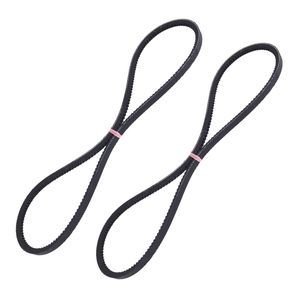
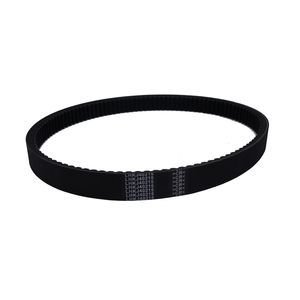
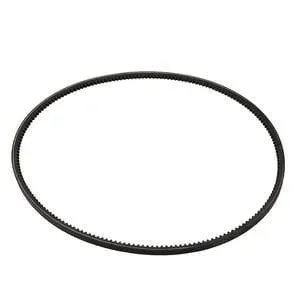
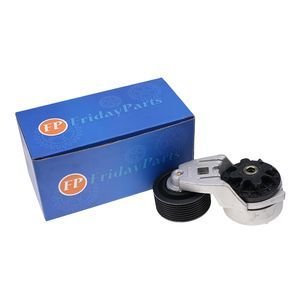
Matched Sets Shipped — Belt tensioner, drive belt, and idler verified against your specific engine serial variant before dispatch.
Technical Specifications
| Parameter |
Value |
| Part Number |
7269057 |
| Product Type |
Belt Tensioner |
| Cross-Reference |
7141788 (reference only) |
| Machine Fitment |
A770, S630, S650, S750, S770, S850, T630, T650, T750, T770, T870 |
| Housing Material |
Forged 40Cr steel |
| Bearing Type |
Sealed double-row angular contact ball bearing (6203-2RS) |
| Bore Diameter Tolerance |
±0.05 mm |
| Flange Runout Tolerance |
±0.1 mm |
| Surface Treatment |
Zinc-nickel electroplating (15 μm thickness, ASTM B633 Type IV) |
| Shaft Diameter |
25 mm |
| Belt Groove Profile |
SPZ section |
| Peak Belt Load Resistance |
up to 1,850 N |
| Operating Temperature Range |
-20°C to +85°C |
| Salt-Spray Resistance |
720 hours |
| Condition |
New Aftermarket |
| Warranty |
6-month standard warranty against manufacturing defects |
| MOQ |
1 piece |
Application Suitability
| Engine System |
Related Components |
| Accessory Drive System |
Drive belt, idler pulley, alternator, fan drive assembly |
| Cooling Circuit |
Water pump drive, fan motor, thermostat housing |
| Electrical Charging |
Alternator mounting bracket, wiring harness terminals |
| Engine Overhaul Kit |
Gasket set, seal kit, crankshaft bearings, piston rings |
Why the Accessory Drive Fails After a Single-Part Swap
Replacing a worn belt tensioner pulley without inspecting the matched drive belt, idler, and fan drive bearings often triggers repeat failure within weeks. The root cause of accessory drive noise and overheating usually lives in the system balance, not the single component.
A Belt Tensioner engine rebuild part maintains precise rotational load across the entire front-end accessory drive. When one component degrades, the shock loads transfer directly to the alternator bearings and water pump seals. [NEED_CITE: SAE technical papers on accessory drive system harmonics and vibration transfer]
Positioning the Tensioner in the Engine System
This Belt Tensioner engine rebuild part operates at the critical center of the Bobcat skid steer and track loader accessory drive loop. It is not an isolated wear item. It is the balancing element that prevents harmonic vibration from destroying the fan clutch and alternator diodes during high-RPM operation.
Addressing the System That Caused the Failure
When an engine enters the shop for a cooling fault or charging system failure, the Belt Tensioner engine rebuild part is frequently the root cause, not the symptom. A seized tensioner bearing places extreme side-load on the drive belt, causing glazing and slippage that starves the water pump and alternator. Replacing the driven components without the tensioner guarantees the new parts will suffer the same early failure. [NEED_CITE: mobile equipment engine cooling system diagnosis and repair standards]
Engineering Tolerances and Vibration Damping
The forged 40Cr steel housing provides the mass required to dampen the torsional spikes generated by the engine crankshaft. The 6203-2RS sealed angular contact bearing is specified to handle sustained rotational load and the axial thrust generated by the SPZ section belt profile. The ±0.05 mm bore diameter tolerance ensures the pulley runs true on the 25 mm shaft, preventing the eccentric loading that destroys water pump seals.

The Cost of Ignoring Serial Number Variants
The most expensive mistake in an engine overhaul is installing a tensioner from the wrong engine generation. Even within the S750 or T770 machine models, the accessory drive configuration changed between engine serial breaks. Installing the incorrect variant results in immediate belt misalignment and catastrophic failure during the initial run-up. The labor cost to tear the engine down a second time far exceeds the cost of proper verification upfront. [NEED_CITE: engine rebuild best practices for verifying component compatibility across serial ranges]
Sourcing Strategy for Rebuild Shops
We stock the full accessory drive system, not just the pulley. When you order this Belt Tensioner engine rebuild part, we can ship the matched SPZ drive belt, the idler pulley, and the required mounting hardware as a single consolidated line item. This eliminates the risk of receiving components from multiple vendors with mismatched lead times or incompatible specifications.
Our technical team verifies the engine serial number against the specific accessory drive configuration before release. We cross-reference 7269057 and 7141788 (interchange reference) to ensure the variant matches your engine build. We can supply a sample for fitment confirmation before you commit to bulk inventory for your fleet or distribution network.
Documentation & Verification
- Commercial invoice detailing the matched accessory drive kit contents and quantities.
- Part compatibility sheet listing the verified engine serial ranges for this specific tensioner variant.
- Dimensional inspection record confirming bore tolerance and flange runout before dispatch.
- Warranty terms document covering manufacturing defects for the standard 6-month period.
- Packing photographs showing the zinc-nickel plated housing and bearing seals protected for transit.
Installation & Rebuild Sequence
- Verify the 25 mm shaft diameter and clean the mounting surface before sliding the new tensioner into place.
- Inspect the SPZ groove on all mating pulleys for wear that would compromise the new belt tracking.
- Apply the manufacturer-specified torque to the mounting fastener to prevent the housing from walking under peak load.
- Route the new drive belt and cycle the tensioner by hand to confirm smooth bearing rotation without binding.
- Run the engine at idle for a break-in period, then recheck the belt tension and fastener torque before returning the machine to full load.
Preparing Your Inquiry for Accurate Fitment
To ensure we ship the exact Belt Tensioner engine rebuild part your engine requires, provide the full engine model and serial number from the block stamping or data plate. If the plate is illegible, a photograph of the existing tensioner and the drive belt routing diagram allows our team to identify the correct accessory drive configuration and confirm the cross-reference applicability.
Frequently Asked Questions
Q: What other components should be replaced together with the belt tensioner during an engine service?
A: The entire accessory drive loop must be addressed as a system. This includes the SPZ section drive belt, any idler pulleys, and a visual inspection of the alternator and water pump bearings for play. Replacing only the tensioner while leaving a glazed belt or worn idler in place transfers the shock loads to the new component, causing premature failure.
Q: How do I confirm which tensioner variant my specific engine serial number requires?
A: The accessory drive configuration on Bobcat loaders changed across engine serial breaks, even within the same machine model. Provide the engine serial number from the block stamping. Our technical team will cross-reference the build record to confirm the correct housing and bearing specification before the part ships.
Q: Does the overhaul kit include the correct belt and tensioner for my engine build?
A: Overhaul kits are often configured for the base engine block and may omit the specific accessory drive components required for the skid steer installation. We verify the exact belt length and tensioner variant against your machine serial number to ensure the complete front-end drive system is covered in the kit.
Q: What system-level symptoms indicate tensioner failure rather than belt or fan motor failure?
A: Belt squeal that persists after a new belt is installed, or an alternator that fails repeatedly, often traces back to a seized or weak tensioner bearing. The tensioner is the system component that maintains the harmonic balance; its failure manifests as symptoms in the driven accessories.