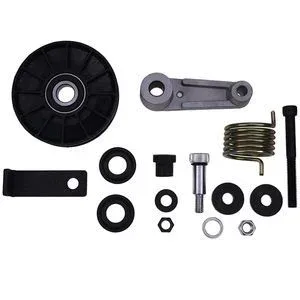
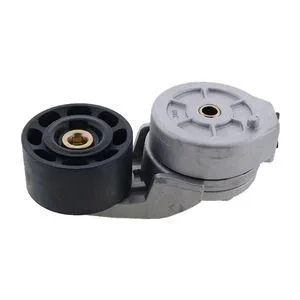
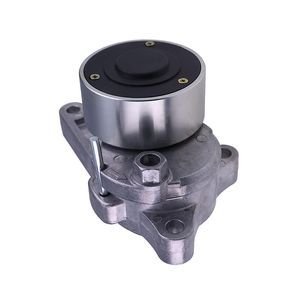
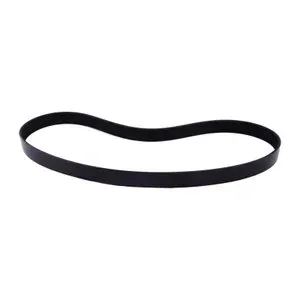
Matched system dispatch — Tensioner kit verified against Bobcat engine serial variants before packing to prevent belt drive mismatch on site.
Technical Specifications
| Parameter |
Value |
| Part Number |
7302291 |
| Product Type |
Belt Tensioner |
| Cross-Reference |
7302291 (reference only) |
| Machine Fitment |
653, 751, 753, 763, 773, 7753, 853, 863, 864, 873, 883, 963, S130, S150, S160, S175, S185, S205, S220, S250, S300, T140, T180, T190, T200, T250, T300, A220, A300 |
| Condition |
New Aftermarket |
| Kit Contents |
Belt Tensioner Assembly |
| Assembly State |
Kit |
| Warranty |
3–12 months against manufacturing defects |
| Standards |
ISO 9001 |
Application Suitability
| Engine System |
Related Components |
| Cooling fan belt drive |
Fan belt, idler pulleys, accessory drive bearings |
| Engine front-end accessory drive |
Crankshaft pulley, water pump drive belt, alternator bracket |
| Overhaul belt refresh |
Complete belt set, tensioner mounting hardware, pulley inspection |
Why The Same Tensioner Part Number Fits Multiple Engine Builds
A cooling fan belt tensioner engine rebuild must match the exact engine serial variant, not just the machine model.
Skid steer loaders like the S160 and S185 share the same chassis badge but often carry different engine platforms across production batches. The belt drive configuration — pulley diameter, tensioner arm length, and mounting bracket hole spacing — can shift between these variants without any change to the machine model designation. When a tensioner is ordered solely by machine model, the risk of receiving a kit with the wrong bracket geometry is significant. I have seen machines sit idle on job sites because the replacement tensioner bolt pattern was offset by just a few millimeters from what the engine block required [NEED_CITE: engine serial variant identification for belt drive components].
Belt Drive System Context And Adjacent Component Matching
The Cooling Fan Belt Tensioner Kit 7302291 operates within a matched belt drive system where the tensioner, fan belt, idler pulleys, and accessory drive bearings all share load simultaneously. During a cooling fan belt tensioner engine rebuild, replacing the tensioner without inspecting the idler pulley bearings and belt condition leaves the root cause of premature failure unaddressed. A worn idler bearing introduces vibration that accelerates tensioner spring fatigue. This kit supplies the tensioner assembly needed to restore correct belt tracking and spring force across the Bobcat-compatible engine front end.
Engine Serial Variants And Rebuild History Awareness
Bobcat-compatible skid steer and track loader engines may have undergone previous rebuilds that altered the original belt drive layout. An engine that was bored or fitted with an alternate water pump during a prior overhaul might carry a different tensioner mounting configuration than factory specifications suggest. Before confirming an order, the engine serial number and rebuild history should be cross-referenced against the tensioner bracket dimensions. This verification step prevents the situation where a tensioner arm physically clears the block but cannot achieve the correct belt deflection angle [NEED_CITE: engine rebuild variant tracking for aftermarket parts].
Interpreting The Tensioner Kit Specifications
The assembly state as a kit means the tensioner arrives with the bracket, spring, and pulley pre-configured rather than as individual loose components. This matters during a cooling fan belt tensioner engine rebuild because assembling a tensioner from separate parts introduces the risk of incorrect spring preload or misaligned pulley axis. The high-strength alloy construction provides the thermal stability needed in an engine compartment where ambient temperatures near the exhaust manifold regularly exceed normal operating ranges. Proper spring force maintains consistent belt tension across the RPM range, preventing belt slip at idle and excessive bearing load at peak speed.

The Cost Of Skipping System-Level Root Cause Review
When a tensioner is replaced without examining why the previous unit failed, the new component often inherits the same destructive conditions. A glazed or cracked belt indicates heat buildup from a seized idler pulley that the tensioner was compensating for. Repeated tensioner spring collapse within a short operating window points to an accessory bearing generating drag beyond design limits. Treating the tensioner as an isolated failure rather than a system symptom leads to repeat teardowns and extended machine downtime [NEED_CITE: belt drive system root cause analysis methodology].
Sourcing With Engine System Verification
Our selected production lines and qualified sourcing partners operate under the same QC and warranty terms, so this tensioner kit carries consistent coverage regardless of which facility produced the batch. The eight-category product range means that when a rebuild shop needs the tensioner, belt, idler pulleys, and seal kits for the same engine, everything ships under one account and one consignment. Part identification from a photograph of the existing tensioner or the engine nameplate is available when the original number is no longer legible. Cross-reference verification covers superseded and alternate part numbers that may appear in older service manuals. Sample supply for fitment confirmation is available before a bulk commitment, which is useful when a rebuild shop is standardizing on a tensioner source for a fleet. The technical team reviews engine serial variants and confirms bracket compatibility before dispatch.
Documentation & Verification
- Commercial invoice listing 7302291 (reference only) with kit contents itemized
- Cross-reference sheet mapping alternate tensioner numbers to engine serial ranges
- Quality inspection record covering tensioner spring force and pulley runout
- Warranty terms specifying coverage period for manufacturing defects
- Packing photographs showing kit contents and protective packaging before sealing
- HS code and customs documentation aligned with belt tensioner classification
Installation & Rebuild Sequence
- Verify tensioner bracket bolt pattern against engine block before removing the old assembly
- Clean mounting surface to remove gasket residue that could shift bracket alignment
- Inspect idler pulley bearings and replace any showing radial play before fitting the new tensioner
- Route the fan belt per the engine diagram and confirm tensioner arm travel is within specification
- Run the engine to operating temperature and recheck belt deflection after initial heat cycle
Before You Request A Quote
Provide the engine model, engine serial number, and any available rebuild history so we can confirm the correct tensioner bracket variant for your specific build. A photograph of the existing tensioner or the engine nameplate accelerates identification when records are incomplete. For overhaul shops stocking multiple Bobcat-compatible platforms, share the engine serial range across your fleet so we can flag any variant differences within the same part number.
Frequently Asked Questions
Q: What else should be replaced when servicing this tensioner?
A: The fan belt and idler pulley bearings should be evaluated during every tensioner replacement. A worn belt or seized idler introduces vibration and uneven load that shortens tensioner spring life. Replacing these as a matched set during a cooling fan belt tensioner engine rebuild prevents repeat failure from a system component that was not addressed.
Q: Does the same machine model always use the same belt drive layout?
A: No. Bobcat-compatible machines like the S160 and S185 may carry different engine platforms depending on production batch and market specification. The tensioner bracket hole spacing and arm geometry can differ between these variants, making engine serial number verification essential before ordering.
Q: How do I confirm the engine serial variant before ordering?
A: Provide the engine serial number from the nameplate or a clear photograph of the existing tensioner bracket. Our technical team cross-references the serial against known belt drive configurations to confirm the correct kit variant ships, reducing the risk of fitment issues on arrival.
Q: What system-level faults cause premature tensioner failure?
A: Seized idler pulley bearings, misaligned accessory brackets, and excessive heat from nearby exhaust components all accelerate tensioner wear. A tensioner that fails repeatedly within a short interval usually indicates an unresolved fault elsewhere in the belt drive system rather than a defective tensioner itself [NEED_CITE: belt drive failure mode analysis].
Q: Is this kit complete for a full belt drive refresh?
A: The kit contains the tensioner assembly required for the tensioner position. A complete belt drive refresh typically also requires the fan belt, idler pulleys, and any associated mounting hardware. Confirm the full parts list against your engine service manual before scheduling the rebuild.