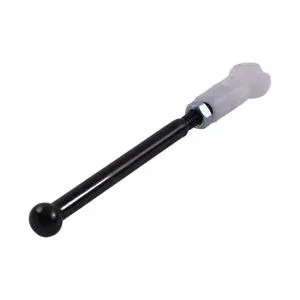
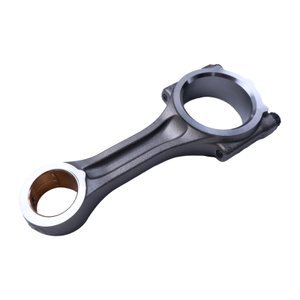
System-Matched Engine Linkage — Every accelerator rod ships with verified pivot end hardness and clevis pin hole tolerance records tied to the specific engine serial variant.
Technical Specifications
| Parameter |
Value |
| Part Number |
26607-26602-71 |
| Product Type |
Accelerator Rod |
| Cross-Reference |
26607-26602-71 (reference only), 266072660271 (reference only) |
| Machine Fitment |
8FD40N, 8FD50N, 8FG25, 8FG30, 8FDU15–8FDU32, 8FGU15–8FGU32, 8FGCU20–8FGCU32, FDZN20–FDZN30, FGZN20–FGZN30, 02-8FDF15 to 02-8FDF30, 02-8FGF15 to 02-8FGF30, 30-8FG10 to 30-8FG30, 32-8FG10 to 32-8FG30, 40-8FD35N to 40-8FD80N, 50-5FD60 to 5FG70, 60-8FD10 to 60-8FDN30, 62-8FD10 to 62-8FDN30, 70-8FD20 to 70-8FDN30, 72-8FD20 to 72-8FDN30, 82-8FD20 to 82-8FDJ35, 8FBCHU25, 8FBCU20–8FBCU32, 8FG18B, 8FG25B, 8FG30B |
| Engine Compatibility |
Toyota 1DZ, 1KD, 14Z, 4Y, 1FZ, 3Z, 1ZS, 1FS, 2Z, N04C |
| Material |
High-tensile carbon steel |
| Surface Treatment |
Zinc-nickel plating |
| Pivot Ends Hardness |
HRC 58–62 |
| Clevis Pin Hole Tolerance |
±0.05 mm |
| Corrosion Resistance |
500+ hours salt-spray |
| Assembly State |
New Aftermarket |
| Certification |
ISO 9001 |
| Warranty |
3–12 months against manufacturing defects |
| MOQ |
1 piece |
Application Suitability
| Engine System |
Related Components |
| Throttle control linkage |
Governor assembly, return springs, clevis pins, bushings |
| Fuel injection actuation |
Injection pump linkage, fuel rack connectors |
| Engine speed regulation |
Governor weights, speed control lever, throttle cable |
| Overhaul reassembly |
Complete gasket kit, engine mount hardware, fuel system seals |
Why the Same Accelerator Rod Part Number Fits Differently Across Engine Builds
Engine serial variants within the same forklift model family change linkage geometry, not just dimensions.
When I worked in the warehouse cross-checking part numbers, the most costly mistakes came from parts that technically matched the OEM reference but failed on the bench because the engine serial variant demanded a different linkage length or pivot orientation. The accelerator rod 26607-26602-71 covers a broad range of Toyota-compatible forklift engines — from the 1DZ diesel to the 4Y and N04C families — yet the throttle linkage geometry shifts between these platforms. A rebuild shop ordering for a 1KD build might receive a rod dimensionally correct for a 14Z, resulting in either binding at full throttle or excessive free play that causes erratic RPM behavior. [NEED_CITE: engine serial variant differences in throttle linkage geometry across Toyota industrial engine families]
The problem compounds when previous rebuilds have altered the governor assembly or swapped injection pumps across model lines. Without confirming the engine serial number and its specific linkage configuration, even a correct accelerator rod can introduce secondary faults that take days to diagnose on the test bench.

Throttle System Integration and Adjacent Component Matching
The accelerator rod interfaces directly with the governor assembly and injection pump linkage. When this rod shows wear at the pivot ends or elongation in the clevis pin holes, the connected bushings and return springs have typically absorbed equivalent stress cycles. Replacing the rod alone without inspecting these adjacent components leaves worn interfaces that reproduce the original fault within a short service window. System-level supply means pairing the accelerator rod with matched bushings, fresh return springs, and correctly rated clevis pins so the entire throttle linkage operates within specification from day one.
Engine Serial Variants and Rebuild History Considerations
Across the Toyota-compatible engine range, serial number variants change the linkage geometry and pivot point spacing on the accelerator rod. A unit that previously underwent a rebuild may have non-standard governor components or modified fuel rack connectors that shift the required rod length or end fitting orientation. Confirming the engine serial number — not just the forklift model — prevents ordering a rod that physically mounts but produces incorrect throttle travel. This accelerator rod is available with confirmed fitment across 1DZ, 1KD, 14Z, 4Y, 1FZ, 3Z, 1ZS, 1FS, 2Z, and N04C engine families, each requiring verification against the specific serial range before dispatch. [NEED_CITE: engine rebuild history impact on throttle linkage component compatibility]
Material Specification and Dimensional Stability
The high-tensile carbon steel construction with zinc-nickel plating addresses two failure modes common in throttle linkage components. The base material provides the tensile strength necessary to withstand repeated actuation loads without elastic deformation, maintaining the ±0.05 mm clevis pin hole tolerance across the service life. The zinc-nickel surface treatment delivers measurable corrosion resistance — rated beyond 500 hours in salt-spray testing — which matters for forklifts operating in cold storage environments, port terminals, or washdown areas where standard zinc plating would degrade rapidly. The hardened pivot ends at HRC 58–62 resist the localized wear that causes free play to develop at the linkage connection points, a common root cause of throttle lag complaints that get misdiagnosed as governor faults.
What Happens When the Wrong Variant Gets Installed
A dimensionally close but serially incorrect accelerator rod produces symptoms that mimic fuel system faults — erratic idle, slow throttle response, or failure to reach governed RPM. Shops typically chase these symptoms through the injection pump, governor weights, and fuel filters before tracing the root cause back to the linkage geometry. Each misdiagnosis adds bench time and delays the machine's return to service. When the root cause is a mismatched accelerator rod variant, the entire throttle linkage must be disassembled and measured against the engine serial-specific specification, turning what should have been a straightforward replacement into a multi-day troubleshooting cycle. [NEED_CITE: throttle linkage misdiagnosis patterns in industrial engine repair facilities]
Why Source This Accelerator Rod Through Our Engine Parts Channel
Our selected production lines and qualified sourcing partners operate under identical QC protocols, so whether this accelerator rod comes from our own facility or a certified manufacturing partner, the warranty terms and inspection standards remain the same. Engine rebuild shops can request complete overhaul kit contents lists before ordering to confirm no items are missing for their specific engine build. We verify cross-reference numbers including superseded and alternate references to catch ordering errors before dispatch. The technical team confirms compatibility against engine serial numbers and rebuild history, not just forklift model plates. Samples are available for fitment confirmation before bulk commitment on fleet maintenance programs.
Documentation & Verification
- Commercial invoice listing accelerator rod quantities matched to engine serial numbers
- Cross-reference sheet (reference only) mapping OEM numbers to confirmed variants
- Dimensional inspection covering pivot hardness, clevis hole tolerance, and plating thickness
- Warranty terms specifying coverage period against manufacturing defects
- Packing photographs showing protective wrapping on pivot ends before crating
- HS code and customs documentation support for international engine parts shipments
Installation & Rebuild Sequence
- Clean governor mounting surfaces and inspect bushing bores before installing the new accelerator rod
- Measure clevis pin fit in both rod ends — any detectable play requires new pins and bushings
- Verify full throttle travel against engine serial specification before locking adjustment nuts
- Install return springs and confirm snap-back to idle position without binding at any pivot point
- Run engine through warm-up cycle and verify governed RPM matches specification at full actuation
- Document installed rod variant and engine serial in rebuild records for future service reference
Requesting a Quote for Your Engine Rebuild
Provide the engine model and serial number from the nameplate, along with any known rebuild history or previous oversize work performed on the block. If the nameplate is worn or painted over, photographs of the existing accelerator rod and adjacent governor components help confirm the correct variant. For fleet maintenance programs, sharing the engine family breakdown across your equipment list enables consolidated kit quotes with all matched components included.
Frequently Asked Questions
Q: What other fuel system or governor components should be replaced alongside this accelerator rod?
A: When replacing the accelerator rod, inspect and typically replace the connected bushings, return springs, clevis pins, and any worn pivot fittings at the governor end. The injection pump linkage connectors should also be checked for elongation. Pairing this rod with a complete overhaul gasket kit ensures all sealing surfaces are refreshed during the same teardown, preventing a second disassembly for a missed component.
Q: Do different engine serial numbers within the same forklift model require different accelerator rod variants?
A: Yes. Engine serial variants across the 1DZ, 1KD, 14Z, 4Y, and N04C families use different linkage geometries and pivot point spacing. Ordering by forklift model alone risks receiving a rod that mounts but produces incorrect throttle travel. We confirm the correct variant by cross-referencing the engine serial number against verified compatibility tables before dispatch.
Q: How do I confirm the correct accelerator rod variant for my specific engine build?
A: Provide the engine serial number from the nameplate or stamping on the block. If the plate is illegible, photographs of the existing rod with a ruler for scale, along with images of the governor connection and injection pump linkage, allow our technical team to identify the correct variant through physical feature matching rather than relying on potentially superseded part numbers.
Q: What system-level faults could cause repeated accelerator rod failure?
A: Premature rod wear typically traces to worn bushings allowing misaligned loading, incorrect return spring tension creating oscillation, or governor assembly wear that transmits irregular forces through the linkage. Addressing the failed rod without inspecting these adjacent components results in the replacement part absorbing the same destructive loads, producing a repeat failure within a short service window.
Q: Can I order a complete throttle linkage rebuild kit including bushings, springs, and clevis pins?
A: Yes. We supply matched component sets covering the full throttle linkage system for specific engine serial variants. Request the kit contents list for your engine build to verify all required items are included before ordering. This approach eliminates the risk of incomplete kits that force a second order and delay the rebuild completion.