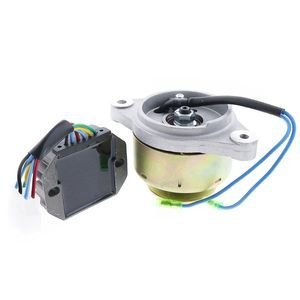
Engine Serial Variants Confirmed — Toyota 4Y engine blocks carry multiple casting revisions, and this alternator's mounting pattern is verified against your specific serial range before dispatch.
Technical Specifications
| Parameter |
Value |
| Part Number |
27060-UB050 |
| Product Type |
Alternator |
| Cross-Reference |
27060-UB050, 27060UB050, 27060-UB050-71, 27060UB05071, 27060-78160-71, 270607816071 (reference only) |
| Machine Fitment |
02-8FGF15, 02-8FGF18, 02-8FGF20, 02-8FGF25, 02-8FGF30, 02-8FGJF35, 02-8FGKF20, 32-8FGF15, 32-8FGF18, 32-8FGF20, 32-8FGF25, 32-8FGF30, 32-8FGFJ35, 30-8FGN15, 30-8FGN20, 30-8FGN25, 30-8FGN30, 32-8FGN15, 32-8FGN20, 32-8FGN25, 32-8FGN30, 8FGCSU20, 8FGCU15, 8FGCU18, 8FGCU20, 8FGCU25, 8FGCU30, 8FGCU32, 8FGU15, 8FGU18, 8FGU20, 8FGU25, 8FGU30, 8FGU32 |
| Brand Compatibility |
Fits Toyota |
| Engine Compatibility |
Toyota 4Y |
| Condition |
New Aftermarket |
| Warranty |
3–12 months against manufacturing defects |
| Quality Standard |
ISO 9001 (source value — verify against manufacturer catalog) |
Application Suitability
| Engine System |
Related Components |
| Charging Circuit |
Voltage regulator, battery terminals, wiring harness connectors |
| Belt Drive System |
Serpentine or V-belt, tensioner assembly, pulley alignment |
| Engine Auxiliary |
Mounting brackets, fastener sets, ground strap |
| Electrical Distribution |
Fuse links, ignition switch contacts, dashboard warning circuit |
Why the Charging System Fails Again After a New Alternator Goes In
Replacing the alternator without diagnosing the full auxiliary circuit invites repeat failure within weeks.
In the warehouse district here in the Pearl River Delta, I have opened too many Toyota 4Y forklifts where a fresh alternator was already showing heat discoloration on the rotor windings. The root cause was never the alternator itself — it was a glazed drive belt slipping on a worn pulley, or corroded wiring terminals creating voltage drop that forced the unit to overwork continuously. One customer sent back two units before we traced the fault to a cracked battery post that refused to accept charge. [NEED_CITE: electrical system voltage drop diagnostic procedures for industrial engines]
When sourcing an alternator engine rebuild part for a Toyota 4Y-powered forklift, the decision chain must extend beyond the unit itself. The belt routing, tensioner condition, connector pin integrity, and battery state-of-charge all sit in the same system loop. Missing any one of them turns a straightforward swap into a recurring warranty claim.

The Charging Circuit as a System, Not a Single Component
The alternator sits at the center of the 4Y engine's electrical auxiliary system, but it does not work alone. The voltage regulator controls field current, the battery acts as a buffer and stabilizer, and the wiring harness carries output to every electrical load on the forklift. When one alternator engine rebuild part fails prematurely, the first question should be what else in that loop was already degraded. Checking the full circuit during an engine overhaul prevents the new unit from absorbing damage meant for a ten-dollar connector.
Mounting Pattern Variants Across 4Y Serial Ranges
Toyota produced the 4Y engine across multiple generations, and the alternator mounting ear configuration changed between early and late castings. Some 8FGF series blocks use a two-bolt pattern with a specific bracket offset, while later 8FGN and 8FGU variants shifted to a three-bolt arrangement with different spacing. Confirming the engine serial number before ordering ensures the replacement bolts in without drilling or shimming. [NEED_CITE: Toyota 4Y engine block casting revision history and alternator bracket compatibility]
I have seen rebuild shops force-fit an alternator onto the wrong bracket pattern, creating angular misalignment that destroyed the front bearing within operating hours. The pulley then wobbled, the belt chirped and wore unevenly, and the whole job started over.
Output Rating, Pulley Specification, and Connector Type
This alternator is specified for the Toyota 4Y engine's electrical load profile, which includes ignition, lighting, hydraulic control solenoids, and dashboard instrumentation typical on 8FGF and 8FGCU series forklifts. The pulley rib count and pitch diameter must match the existing belt routing — a mismatch causes slip or excessive bearing load. The wiring connector pin count and locking tab geometry vary between early and late 4Y harnesses, and a mismatched plug forces field splicing that introduces resistance and heat at the junction.
Thermal management matters equally. Forklift engines operate at low ground speed with limited ram air, so the alternator's internal fan design and ventilation path must handle sustained heat from the exhaust manifold proximity. [NEED_CITE: alternator thermal derating curves for low-speed industrial engine applications]
The Cost of Overlooking the Belt and Tensioner During Alternator Service
A new alternator mounted behind a worn tensioner and a cracked belt will fail to reach rated output at idle speed, which is exactly where forklifts spend most of their operating time. The battery slowly drains, the operator notices dimming lights, and the machine gets flagged for electrical fault — all while the alternator itself is functioning within specification. The shop then pulls the alternator again, tests it on the bench where it passes, and re-installs it with the same bad belt. This cycle repeats until someone inspects the full drive system. [NEED_CITE: belt drive system wear patterns and their effect on auxiliary component output]
That second teardown doubles labor cost, extends machine downtime, and erodes confidence in the part itself — when the real fault was a tensioner that had lost its spring force years ago.
Why Source This Alternator Engine Rebuild Part Here
Our Guangzhou warehouse stocks this alternator alongside matched belt kits, tensioner assemblies, and wiring connector pigtails for the 4Y platform, so the entire charging system arrives in one consignment. We verify cross-reference numbers including superseded variants like 27060-UB050-71 and 27060-78160-71 against your engine serial before confirming the order. Our technical team checks mounting pattern, pulley specification, and connector type to prevent fitment surprises. Sample units ship for bench testing and trial installation before you commit to fleet quantity. Both our self-produced lines and sourced supply carry identical warranty terms and quality inspection protocols.
Documentation & Verification
- Commercial invoice listing each alternator unit with engine serial cross-reference
- Compatibility sheet confirming 4Y variant match, marked reference only for OEM numbers
- Bench test record showing voltage output under simulated forklift electrical load
- Warranty terms covering manufacturing defects for the stated period
- Packing photographs documenting alternator condition before crate closure
- HS code and customs documentation for international alternator shipment
Installation & Rebuild Sequence
- Verify engine block mounting ear pattern matches alternator bracket before removing old unit
- Inspect pulley bore and keyway for wear; replace pulley if rib grooves show polishing
- Route belt per 4Y factory diagram and confirm tensioner deflection within specification
- Clean all wiring terminals and apply dielectric compound before reconnecting harness plugs
- Torque mounting bolts in sequence to prevent case distortion and bearing preload
- Run engine at idle then rated RPM; log voltage output at battery posts to confirm charging
Requesting a Fitment-Verified Quote
Provide your Toyota 4Y engine serial number, the forklift model designation from the nameplate, and any previous rebuild history so we can confirm the correct mounting variant, pulley specification, and connector type. If the nameplate is worn, send a photograph of the existing alternator label and the engine block casting near the mounting ears. We will return a compatibility confirmation with the matched belt and tensioner options included.
Frequently Asked Questions
Q: What other engine auxiliary parts should I inspect or replace when changing the alternator?
A: Inspect the drive belt for cracking and glazing, check the tensioner spring force, examine wiring harness connectors for corrosion or bent pins, and test the battery load capacity. A battery weakened by prolonged undercharging will not recover after alternator replacement. Replace matched components as a set to prevent repeat charging system faults.
Q: How do I confirm my Toyota 4Y engine variant matches this alternator's mounting pattern?
A: Provide the engine serial number stamped on the block, typically near the oil filter housing. We cross-check this against the mounting ear configuration, bracket offset, and pulley position for your specific 4Y production run. Photos of the old alternator mounting area help when the stamp is painted over.
Q: Do I need to replace the drive belt and tensioner at the same time?
A: Yes, strongly recommended. A worn tensioner allows belt slip at idle speed, reducing alternator output below the forklift's electrical demand. The new alternator then operates under continuous high-load compensation, accelerating brush and diode wear. Replacing all three components together restores the full charging system.
Q: Can a failing alternator damage other engine electrical components?
A: Chronic undercharging degrades battery plates through sulfation, while overvoltage from a faulty regulator can damage sensitive forklift controller boards and solenoid coils. System-level diagnosis during alternator replacement identifies collateral damage early, preventing secondary failures after the new unit is installed.