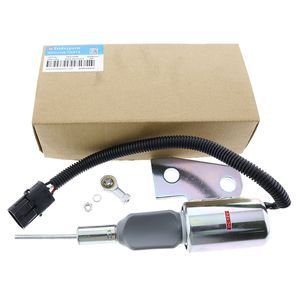
System-Matched Supply — Stop Solenoid 3991167 shipped with verified engine serial variant compatibility for Cummins 4BT applications.
Technical Specifications
| Parameter |
Value |
| Part Number |
3991167 |
| Product Type |
Stop Solenoid |
| Cross-Reference |
SA-4941-12 / SA494112 / 3964627 (for identification purposes) |
| Machine Fitment |
Hyundai R130, R170 |
| Voltage |
12V |
| Compatible Engine |
Cummins 4BT |
| Condition |
New Aftermarket |
| Standards |
ISO |
| Warranty |
3-12 months against manufacturing defects |
Application Suitability
| Engine System |
Related Components |
| Fuel Shutoff |
Fuel pump, injection lines, shutoff relay |
| Electrical Control |
Wiring harness, 12V connectors, fuses |
| Engine Overhaul Kit |
Gasket set, cylinder components, seal kits |
The Root Cause Hiding Behind a Burnt Coil
A new Stop Solenoid engine replacement often fails within weeks because the underlying electrical or fuel system fault was never diagnosed. Replacing the component without tracing the failure path simply sets up the next burnout.
I have seen workshops swap this solenoid on a Cummins 4BT three times before someone finally checked the alternator output. Voltage spikes from a failing regulator push current beyond the coil's thermal limit, melting insulation from the inside out. The solenoid is the symptom, not the disease. System-level diagnosis during a rebuild or repair sequence prevents the repeat failure cycle that drives up warranty claims and frustrates end users [NEED_CITE: electrical system voltage tolerance standards for mobile diesel engine solenoids].

Fuel Shutoff System Integration and Adjacent Component Behavior
The stop solenoid sits at the end of a chain of events that begins with the key switch and ends with fuel flow cessation. When planning a Cummins 4BT overhaul or fuel system repair, this solenoid should be evaluated alongside the fuel shutoff relay, injection pump internal plungers, and return line backpressure. A blocked return line creates pressure spikes that force the solenoid plunger against its seat with excessive impact, accelerating mechanical wear on the sealing surface. Addressing the Stop Solenoid engine replacement in isolation ignores these interacting forces.
Engine Serial Variants and Variant-Specific Fitment
The 4BT engine family spans multiple production runs with meaningful differences in solenoid mounting geometry and connector orientation. Early and late production variants may share a base machine model like the R130 but require different plug clocking or plunger stroke lengths. Confirming the exact engine serial number prevents the situation where the connector faces the wrong direction, forcing the harness into a bend radius that eventually breaks the wire. This variant verification is non-negotiable during engine rebuild planning [NEED_CITE: Cummins 4BT engine serial variant identification procedures].
Voltage, Coil Winding, and Thermal Load Under Field Conditions
The 12V specification defines the nominal operating point, but field conditions regularly expose the coil to transient overvoltage during cranking and voltage sag under heavy accessory load. Precision winding of the internal coil ensures consistent magnetic pull across the specified voltage window, holding the plunger firmly seated without chatter. Thermal load builds during extended energized states typical of key-on engine-off diagnostic periods, so insulation material selection directly influences whether the coil survives a hot restart sequence in high-ambient-temperature environments.
The Hidden Cost of Skipping the System Diagnosis
Installing a solenoid without checking the relay contacts, harness condition, and alternator output creates a pattern of repeat failures that looks like a quality problem but is actually a diagnostic gap. Each repeat visit costs the repair center labor hours, damages credibility with the equipment owner, and may lead to unnecessary warranty claims on perfectly functional replacement units. The cumulative cost of three misdiagnosed replacements far exceeds the time required for a systematic electrical and fuel system check during the initial repair [NEED_CITE: diesel engine electrical fault diagnosis methodology for fuel shutoff circuits].
Why Source This Component Through a System-Level Supplier
Production on selected solenoid lines and qualified sourcing on the remainder means every unit carries the same inspection and warranty terms under one account. Eight equipment part categories ship under a single consignment, so the gaskets, seals, and fuel line fittings needed alongside this solenoid dispatch together. Minimum order from one piece supports the single emergency repair as readily as the fleet overhaul kit. Cross-reference verification covering superseded numbers like 3964627 ensures the correct variant ships regardless of which number appears on the old label. Sample supply before bulk commitment lets rebuild shops confirm connector orientation and mounting fit on their specific engine serial range.
Documentation & Verification
- Commercial invoice lists part number 3991167 with engine serial variant notation
- Cross-reference sheet mapping SA-4941-12 and 3964627 marked reference only
- Coil resistance and plunger stroke test record included with each shipment
- Warranty terms specifying coverage against manufacturing defects for 3-12 months
- HS code and customs documentation support for international engine parts shipments
Installation & Rebuild Sequence
- Disconnect battery negative before removing harness plug from the 12V solenoid terminal
- Verify connector clocking matches engine serial variant before applying thread sealant
- Confirm plunger stroke and seating depth against fuel pump manufacturer specification
- Torque mounting fasteners to Cummins 4BT service manual values to prevent housing distortion
- Test solenoid function with key cycle before reassembling adjacent fuel lines and covers
Confirming Your Engine Configuration for Accurate Supply
Provide the Cummins engine model, serial number, and any known rebuild history to verify which solenoid variant matches your specific 4BT configuration. Photographs of the existing unit's connector and mounting flange help confirm orientation and cross-reference applicability before the order is finalized.
Frequently Asked Questions
Q: What other fuel system components should be inspected when replacing this stop solenoid?
A: Check the fuel shutoff relay contacts for pitting, measure alternator output under load, and verify return line backpressure. These three checks identify the most common causes of repeat solenoid failure on the Cummins 4BT platform and prevent a new unit from burning out within weeks of installation.
Q: Do different 4BT engine serial numbers use different solenoid variants?
A: Yes. Production changes across the 4BT range introduced differences in connector orientation and plunger stroke. Confirming the engine serial number ensures the correct variant ships, avoiding connector mismatch or improper seating that causes immediate functional failure.
Q: Why does the solenoid coil keep burning out on my machine?
A: Repeated coil burnout typically traces to voltage spikes from a failing alternator regulator or a shorted relay contact that keeps the coil partially energized. Systematic electrical testing during the repair identifies the root cause rather than replacing the symptom repeatedly.
Q: How do I confirm which cross-reference number applies to my engine?
A: Provide the engine serial number and the number from the old solenoid label. Cross-reference numbers like SA-4941-12 and 3964627 map to specific production ranges, and verification ensures the correct variant ships for your application.
Q: Can I request a sample before committing to a bulk order?
A: Sample units are available for fitment confirmation on your specific engine serial range. Testing connector fit, mounting geometry, and plunger engagement before bulk commitment eliminates compatibility risk across mixed fleets.