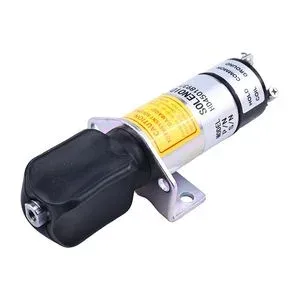
Matched Set Dispatch — This 12V stop solenoid 425-35925 ships alongside fuel system overhaul components under one consignment, verified against your Yanmar engine serial variant before dispatch.
Technical Specifications
| Parameter |
Value |
| Part Number |
425-35925 |
| Cross-Reference |
425-35925, 42535925 (reference only) |
| Product Type |
Stop Solenoid |
| Voltage |
12V |
| Coil Material |
Copper windings |
| Plunger Tip |
Hardened steel |
| Housing |
Sealed against moisture and debris intrusion |
| Connector |
OEM-matching pin configuration (cross-reference only) |
| Condition |
New Aftermarket |
| Warranty |
3-12 months against manufacturing defects |
| Manufacturing Standard |
ISO 9001, ISO-certified manufacturing |
| Machine Fitment |
Gehl Skid-Steer Loader SL3635, SL3935, 3640, 3840, 4240, Asphalt Paver 1448, Compact Excavator 154; Mustang Skid Steer Loader 2012, 2022, 2026, 2032, 2041, 2044, 2054 |
Application Suitability
| Engine System |
Related Components |
| Fuel shut-off control |
Fuel injection pump, fuel lines, fuel filters |
| Engine start-up and shutdown sequencing |
Stop solenoid relay, wiring harness, ignition switch |
| Fuel delivery system overhaul |
Injector sets, fuel pump rebuild kits, fuel return lines |
| High-vibration fuel flow management |
Engine mounts, fuel line brackets, vibration dampers |
Why Engine Rebuilds Still Stall After a Fresh Overhaul
A fuel system overhaul that replaces injectors and lines but overlooks a failing shut-off solenoid leaves the root cause intact.
Workshops regularly pull injection pumps and send them to the test bench, only to reassemble and find the engine still stalls at idle or floods on shutdown. The fuel shut off solenoid engine rebuild replacement sits at the boundary between the electrical command circuit and the fuel delivery path — when it lags or fails to seat, the symptom mimics a faulty injector or a weak lift pump. I have seen Mustang 2026 machines come back to the bench twice before the solenoid connector was checked against the engine serial variant [NEED_CITE: Yanmar engine serial variant connector differences across skid steer applications]. The pattern repeats: the rebuild gets blamed, the machine goes back down, and the real fault was a corroded pin or a coil resistance drifting outside specification.

The Solenoid's Position Inside the Fuel Delivery Sequence
This stop solenoid controls the final gate before fuel reaches the injection pump. During engine start-up, the coil energizes and retracts the plunger, opening the fuel passage. On shutdown, the spring drives the hardened steel plunger tip into the seat, cutting flow. If the plunger response lags even fractionally behind the injection pump timing, the engine floods or leans out — and the fault appears to originate from the pump or injectors. A proper fuel shut off solenoid engine rebuild replacement evaluation means checking coil resistance, connector pin condition, and plunger travel alongside every other fuel system component on the bench.
Engine Serial Variants and the Connector Trap
Within the same Mustang or Gehl model series, Yanmar engine variants use different wiring harness connector types. A solenoid that physically bolts on may have a pin configuration that does not match the harness — the coil receives partial voltage, the plunger chatters, and the engine stalls intermittently under load. Verifying the engine serial number against the connector specification prevents this mismatch before the engine goes back on the mounts. Cross-reference part number 425-35925 (cross-reference only) against the engine build record to confirm whether a superseded or alternate number applies to your specific build [NEED_CITE: Yanmar stop solenoid superseded part number tracking for skid steer engines].
Reading the Specifications That Matter in a Rebuild Context
The 12V coil relies on copper windings calibrated to produce consistent magnetic actuation force across the engine operating temperature range. When the alternator output degrades, under-voltage reaching the coil causes intermittent plunger hesitation — a failure mode that mimics a defective solenoid when the fault actually sits upstream in the charging system. The hardened steel plunger tip resists wear from thousands of start-stop cycles; a worn tip fails to seat fully, allowing fuel seepage that floods the cylinder on hot restarts. Sealed housing construction addresses moisture-induced coil corrosion, which is the dominant failure mode in machines operating in wet or washdown environments where water reaches the solenoid body through harness conduit gaps.
The Cost of Skipping the Solenoid During a Fuel System Overhaul
Replacing injectors, lines, and filters while leaving an aging solenoid in place invites a return to the bench within weeks. The engine restarts, runs briefly, then stalls — and the diagnosis begins again from zero. Each return visit means additional labor hours, another round of fuel system bleeding, and a customer losing confidence in the rebuild quality. Checking the fuel shut off solenoid engine rebuild replacement as part of the initial overhaul scope eliminates this cycle and consolidates the repair into a single verified event [NEED_CITE: diesel engine fuel system overhaul diagnostic sequencing standards].
Sourcing This Stop Solenoid Through a System-Level Account
We produce selected part lines in our own Guangzhou facility and source the remainder from qualified ISO-certified manufacturing partners — both carry identical QC and warranty terms, so this solenoid ships under the same accountability as our in-house components. Eight product categories mean the fuel filters, injection line seals, and harness connectors your overhaul requires can ship in one consignment, not three separate orders from three suppliers. Minimum order starts at one piece for emergency single-machine repairs, and sample supply is available for fitment confirmation before you commit to bulk quantities for fleet overhaul programs. Our technical team verifies engine serial variants and connector types against your machine record, not just against a generic cross-reference table that may carry errors forward from previous sellers. Part identification works from the part number, machine model, a photograph of the old solenoid, or a nameplate image when the original markings are worn or painted over.
Documentation & Verification
- Commercial invoice and packing list referencing solenoid part number and engine compatibility
- Part compatibility and cross-reference sheet marking OEM numbers as reference only
- Quality inspection record confirming coil resistance and plunger actuation test results
- Warranty terms covering manufacturing defects for 3-12 months from dispatch
- Packing photographs showing sealed housing condition before crating
- HS code and customs documentation support for international engine parts shipments
Installation & Rebuild Sequence
- Disconnect battery and verify zero voltage at the solenoid connector before removal
- Compare new solenoid connector pin layout against the engine harness plug configuration
- Clean the solenoid mounting bore to prevent debris from entering the fuel passage
- Torque mounting fasteners to engine specification to avoid housing distortion
- Energize the coil with a bench power supply to confirm full plunger travel before engine start
- Run the engine through three start-stop cycles and verify clean shutdown without flooding
Request a System-Matched Quotation
Provide your Yanmar engine model and serial number along with any previous rebuild history so we can confirm the correct connector variant and plunger specification for your fuel shut off solenoid engine rebuild replacement. If the engine nameplate is unreadable, send a photograph of the existing solenoid and its connector — our team cross-references the physical build against known variants. Include your full fuel system overhaul component list for a consolidated quote covering matched filters, seals, and lines under one shipment.
Frequently Asked Questions
Q: What other fuel system components should I inspect when this solenoid fails?
A: Check the fuel filter for restriction, the lift pump for adequate delivery pressure, and the wiring harness for voltage drop at the connector. A weak alternator output can cause under-voltage at the coil, producing intermittent solenoid failure that is frequently misdiagnosed as a defective unit. Replacing the fuel shut off solenoid engine rebuild replacement alongside filters and checking electrical supply prevents repeat failures.
Q: How do I confirm my Yanmar engine serial variant uses this exact connector type?
A: Provide the full engine serial number from the block stamping — not just the machine model, since Gehl and Mustang used multiple Yanmar variants within the same loader series. We cross-reference the serial against connector specifications and superseded part numbers to confirm the correct pin configuration before shipping.
Q: The engine keeps stalling — how do I determine if the solenoid is the root cause?
A: Measure voltage at the solenoid connector during cranking and at idle. If voltage is within specification but the plunger does not fully retract, the solenoid coil or plunger mechanism is faulty. If voltage is low, trace upstream to the relay, ignition switch, and alternator output before replacing the solenoid.
Q: Can I order a matched set of fuel system components under one consignment?
A: Yes. We supply stop solenoids, fuel filters, injection line seals, fuel return hoses, and injector service components across eight categories under a single account. Consolidating your overhaul list into one shipment avoids split freight costs and mismatched lead times that delay the rebuild completion.
Q: How do I confirm the engine model when the nameplate is worn or painted over?
A: Send a photograph of the engine block casting numbers, the existing solenoid, and its connector. Our team identifies the engine variant from physical features — block casting marks, mounting bolt patterns, and connector type — and cross-references against known Gehl and Mustang machine builds to confirm compatibility.