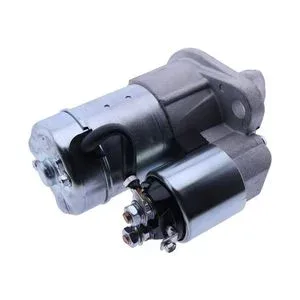
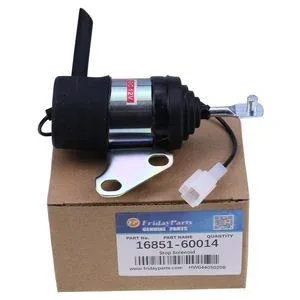
Matched Rebuild Supply — 129242-77010 starter motor ships alongside overhaul gaskets and fuel components as one engine-system consignment, eliminating split deliveries during Yanmar TNV/TNE rebuilds.
Technical Specifications
| Parameter |
Value |
| Part Number |
129242-77010 |
| Product Type |
Starter Motor |
| Cross-Reference (reference only) |
129608-77010, YM129608-77010, 129608-77011, YM129608-77011, 12924277010, YM129242-77010, 12969877010, YM129698-77010, NL-129608-77010, 129242-77050 |
| Machine Fitment |
Yanmar 3TNV82, 3TNV88, 3TNV82A, 3TNE88, 4TNE88, 4TNE84 series, 3JH / 4JH series, Northern Lights NL484, NL488 |
| Voltage |
12V |
| Power Output |
1.4kW |
| Pinion Teeth |
11T |
| Condition |
New Aftermarket |
| Warranty |
3-12 months against manufacturing defects |
| Production Standard |
ISO-certified partner facilities |
Application Suitability
| Engine System |
Related Components |
| Engine cranking circuit (Yanmar 3TNV82 / 3TNV88) |
Battery cables, solenoid switch, flywheel ring gear |
| Marine diesel starting (3JH / 4JH series) |
Starter relay, isolation switch, corrosion-resistant terminals |
| Generator set cranking (4TNE84 / 4TNE88) |
Voltage regulator, alternator belt, battery bank |
| Mini-excavator auxiliary start (3TNV82A / 3TNV88F variants) |
Wiring harness, ignition switch, glow plug circuit |
Why the Starter Fails Before the Engine Rebuild Is Even Finished
A 129242-77010 starter motor engine rebuild replacement only solves the cranking problem if the root cause of the previous failure has been addressed in the same build cycle.
The crankshaft is back from the machine shop, the block has been honed, and the head is torqued down. But the starter sitting on the bench carries a superseded part number and nobody checked whether the wiring harness that killed the last unit has been replaced. In engine bays across the Pearl River Delta workshops, I have watched rebuilt Yanmar 3TNV82 engines sit dead on the test stand because the cranking circuit diagnosis stopped at the starter itself. [NEED_CITE: diesel engine cranking circuit voltage drop diagnostic procedures]
The 11-tooth pinion must mesh precisely with the flywheel ring gear, and that mesh depends on the specific engine build variant. Suffix codes like -DSA, -ESA, or -G1A are not cosmetic — they define internal component differences that affect starter engagement geometry. Ordering a unit without confirming these suffixes against the engine serial plate is how rebuild shops end up pulling the starter back off a fully assembled engine.

The Cranking Circuit Is a System, Not a Single Part
When a 129242-77010 starter motor engine rebuild replacement goes onto a Yanmar 3TNV88 or 4TNE84, it becomes one node in a circuit that includes the battery, cables, solenoid, and flywheel ring gear. If the previous starter burned out from excessive current draw, the fault may live in a corroded ground strap or undersized cable that will destroy the new unit within weeks. System-level supply means pairing the starter with the associated electrical components so the entire cranking path is renewed during the same rebuild window.
Superseded Numbers and the Cross-Reference Maze
Yanmar has reassigned starter part numbers across the TNV and TNE engine generations more than once. The original 129242-77010 reference has been superseded by 129608-77010 and later by 129242-77050 in different production periods. The removed starter may carry any of these numbers, plus regional variants like YM129608-77011. Cross-reference verification against the engine serial number and build suffix is the only reliable way to confirm which replacement path applies. [NEED_CITE: Yanmar TNV TNE engine series starter motor interchange documentation]
Reading the Specs That Actually Matter at the Engine Bay
The 12V rating defines the electrical system this unit is designed for — attempting to fit it on a 24V marine or industrial variant will cause immediate solenoid and winding failure. The 1.4kW output determines cranking torque available at the pinion; this is adequate for the displacement range of 3TNV and 3TNE series engines but would be undersized for larger four-cylinder variants requiring higher cranking force. The 11-tooth pinion count must match the flywheel ring gear tooth count and module — a mismatch here produces grinding on engagement or failure to crank entirely. These three parameters together define whether the unit will spin the engine over reliably at the temperatures and compression ratios the specific build variant produces.
The Cost of Missing the Root Cause
Replacing the starter without tracing why the previous unit failed is the most common reason rebuilt engines come back to the bench. A weak battery or high-resistance connection forces the starter to draw excess current, overheating the windings until insulation breaks down. The new 129242-77010 starter motor engine rebuild replacement then fails in the same manner, and the shop tears the engine down a second time — labor, gaskets, sealant, and downtime all doubled. [NEED_CITE: diesel engine starter motor failure root cause analysis methodology]
What We Bring to the Rebuild Bench
Our own production lines and qualified sourced supply carry identical QC and warranty terms, so the starter motor and the overhaul gasket kit beside it are covered under one account. Eight product categories mean the cranking circuit components, fuel system parts, and belt drive items ship as a single consignment rather than arriving from separate suppliers on mismatched schedules. Minimum order is one piece — no forced bulk when a single emergency rebuild is the priority. Guangzhou warehouse stock enables fast dispatch on common Yanmar TNV/TNE starter references. Part identification works from the number on the nameplate, the machine model, or a photograph when the plate is unreadable. Cross-reference verification covers superseded and alternate numbers across the full TNV and TNE generation span, so the unit that arrives is the one the engine actually needs.
Documentation & Verification
- Commercial invoice listing starter part number and all associated rebuild components
- Cross-reference sheet mapping superseded Yanmar numbers to verified fitment paths (reference only)
- Bench-test record showing voltage, current draw, and pinion engagement on 12V circuit
- Warranty terms covering manufacturing defects for 3 to 12 months
- Packing photographs documenting starter condition and protective wrapping before dispatch
- HS code and customs documentation support for international engine parts shipments
Installation & Rebuild Sequence
- Clean the starter mounting face and engine block mating surface before fitting to prevent misalignment
- Verify 11-tooth pinion engages flywheel ring gear smoothly by hand before final torque
- Confirm wiring harness resistance and battery voltage at the solenoid terminal under load
- Pair replacement with new battery cable terminals if corrosion is visible on the removed unit
- Perform first cranking test with a known-good battery to isolate variables during initial start-up
- Record cranking current and voltage drop to establish baseline for future maintenance checks
Before You Send the Inquiry
Provide the Yanmar engine model, serial number, and build suffix code from the nameplate so we can verify which cross-reference path applies to your specific variant. If the removed starter carries a number that does not match 129242-77010, send a photograph of the label and we will map it against the superseded number list. For overhaul planning, share your full rebuild parts list so the starter can be quoted alongside matched gasket kits, fuel system components, and belt drive items in a single engine-system consignment.
Frequently Asked Questions
Q: What other engine-system parts should be inspected when the starter is changed during a rebuild?
A: The battery cables and ground strap should be resistance-tested, the flywheel ring gear inspected for damaged or worn teeth at the engagement zone, and the solenoid switch checked for internal contact resistance. Any corroded terminals in the cranking circuit should be replaced alongside the starter to prevent the same failure mode from recurring on the rebuilt engine.
Q: My old starter has a number that is not 129242-77010 — is it still the same unit?
A: Yanmar has reassigned starter references across TNV and TNE generations. Numbers like 129608-77010, 129608-77011, and 129242-77050 all appear on units that share the same 12V 1.4kW 11T specification. Send us the nameplate number and engine serial, and we will cross-reference it against the verified interchange list before confirming the correct replacement.
Q: How do I confirm the engine build variant to ensure the starter matches?
A: The engine serial plate carries suffix codes such as -DSA, -ESA, or -G1A that define the specific build variant. These suffixes can affect flywheel ring gear specification and starter mounting geometry. Provide the full model string from the plate — for example 3TNV88F-ESIK — and we will verify pinion engagement compatibility before dispatch.
Q: Can the starter be supplied together with the overhaul gasket kit in one shipment?
A: Yes. Our eight-category coverage means the starter motor, overhaul gasket set, fuel system components, belt drive parts, and any associated electrical items ship under one account and one consignment. This eliminates split deliveries and ensures the rebuild bench has everything needed before the engine goes back together.
Q: What bench tests confirm cranking performance on a 12V system before dispatch?
A: Each unit undergoes voltage verification, current draw measurement under load, and pinion engagement testing to confirm the 11-tooth gear extends and retracts correctly on the 12V circuit. Results are recorded in the quality inspection documentation that ships with the starter, providing a baseline for comparison during installation.