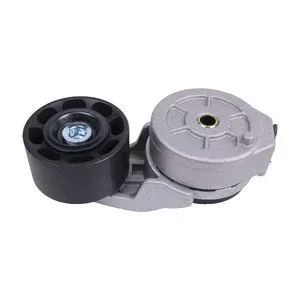
Matched Set Shipped — belt routing verified against Thermo King TK249, TK370, and TK374E serial variants before dispatch.
Technical Specifications
| Parameter |
Value |
| Part Number |
78-1492 |
| Product Type |
Belt |
| Cross-Reference |
781492, 78-1426, 781426, 78-336, 78336, 77-2848, 772848, CP10537, CP 10537, 10537 (cross-reference only) |
| Engine Fitment |
TK249, TK370, TK374E |
| Application |
Refrigeration Units |
| Condition |
New Aftermarket |
| Warranty |
3-12 months against manufacturing defects |
| Standard |
ISO 9001 |
Application Suitability
| Engine System |
Related Components |
| Engine cooling circulation |
Water pump assembly, coolant seals, thermostat housing |
| Belt drive train |
Belt tensioner, idler pulley, pulley alignment surfaces |
| Cold chain transport refrigeration |
Compressor clutch, condenser fan drive, refrigerant circuit |
Why One Belt Replacement Rarely Fixes the Cooling Fault
The belt is the symptom endpoint, not the root cause. A water pump belt that snaps or glazes within a short service window usually points upstream — to a seized tensioner bearing, misaligned pulley groove, or coolant leak degrading the rubber compound from the inside.
In the Shandong workshop, I watched a fleet operator replace only the belt on a T-800R unit three times in one season. Each time the machine went back to work, and each time the new belt chirped within weeks. The real fault was a worn tensioner arm allowing lateral drift. The water pump belt engine rebuild approach — pulling the full drive circuit, checking every contact surface — stops that cycle. [NEED_CITE: belt drive failure root cause analysis in transport refrigeration engines]

The Cooling Circuit This Belt Belongs To
The water pump belt maintains coolant circulation across the TK249, TK370, and TK374E engine families used in Thermo King refrigeration units. It sits in a drive loop that also loads the tensioner and idler pulleys, meaning any wear in those adjacent components transfers directly to belt stress. When a repair centre orders this belt alone, the system context gets lost. Ordering the belt alongside matched tensioner components and coolant seals keeps the entire cooling circuit balanced through the next full service interval.
Serial Variants That Change Belt Routing
Thermo King revised pulley configurations across production runs of the TK249, TK370, and TK374E engines. A belt that fits an early-build TK370 may route differently on a later serial range, with altered effective length or groove profile. This is why engine serial confirmation matters before shipping. [NEED_CITE: Thermo King engine serial variant belt routing differences] Cross-reference numbers like 78-1426, 78-336, 77-2848, and CP10537 (reference only) may each correspond to a specific production phase or pulley arrangement. Verifying against the engine build record prevents receiving a belt that physically fits the pulleys but runs at the wrong tension.
Reading the Specification Sheet for Drive Belts
Belt length, top width, and rib profile determine whether the belt seats fully in the pulley grooves without riding high or bottoming out. Material compound — typically a chloroprene or EPDM base with tensile cord reinforcement — governs heat tolerance and resistance to coolant splash contamination. For refrigeration unit engines that cycle between high-load pull-down and low-load temperature holding, the belt compound must handle repeated thermal transitions without hardening. Tensile strength ratings on the inspection record confirm the cord construction meets the torque transfer requirement of the water pump load. Matching these specifications to the engine build prevents the premature cracking that shows up after a few hundred operating hours.
The Hidden Cost of Isolated Belt Replacement
When a workshop replaces only the belt without inspecting the tensioner bearing and pulley faces, any existing misalignment continues wearing the new component from day one. The result is a second teardown within months — double labour, double freight, and a cold chain truck that sat idle twice instead of once. [NEED_CITE: repeat teardown cost impact in transport refrigeration fleet maintenance] In my technical support role, the most common callback on belt jobs traces back to a root cause that was never addressed. The belt failed because something else in the drive circuit was already compromised.
Why Source This Water Pump Belt Here
Our own production lines and qualified sourcing partners operate under one warranty, so whether this water pump belt engine rebuild order ships from our Guangzhou facility or a certified partner, the quality terms are identical. Eight product categories — from belt drive components to seal kits and engine overhaul sets — consolidate under a single account, so a complete cooling system refresh ships as one consignment. Minimum order starts at one piece, covering emergency single-unit repairs. Part identification works from a part number, machine model, photograph of the old belt, or a nameplate image. Cross-reference verification covers superseded numbers like 78-1426 and 77-2848 (for identification purposes), confirming which variant matches your specific engine serial range. A technical team is available to confirm compatibility and grade before you commit to bulk.
Documentation & Verification
- Commercial invoice and packing list itemising belt part number and engine compatibility
- Cross-reference sheet mapping 78-1492 to superseded numbers (reference only)
- Quality inspection record covering tensile strength and dimensional checks
- Warranty terms stating coverage period against manufacturing defects
- Packing photographs showing belt condition before crate closure
- HS code and customs documentation support for cross-border shipment
Installation & Rebuild Sequence
- Inspect pulley grooves for wear or scoring before seating the new belt
- Verify tensioner arm travel and bearing smoothness with the belt removed
- Confirm belt routing matches the engine serial variant diagram
- Set tension to specification using the correct deflection measurement point
- Run the engine at idle and check for lateral belt drift or chirping
- Re-check tension after the initial thermal cycle and first operating hour
Request a System-Matched Quote
Provide your Thermo King engine model (TK249, TK370, or TK374E) along with the engine serial number and any prior rebuild history. If the nameplate is unreadable, send a photograph of the old belt and pulley arrangement. This allows us to confirm the correct water pump belt engine rebuild specification and package any matched tensioner or seal components in the same shipment.
Frequently Asked Questions
Q: What other components should be replaced together with the water pump belt?
A: The tensioner assembly, idler pulley, and adjacent coolant seals should all be inspected and typically replaced as a set. A worn tensioner bearing or degraded seal will compromise the new belt within a short operating window. Ordering these as a matched kit ensures compatible tolerances and single-consignment dispatch.
Q: Do different engine serial numbers within TK249, TK370, and TK374E require different belt specifications?
A: Yes. Thermo King revised pulley configurations across production runs, which can change belt routing and effective length. Providing the engine serial number allows us to verify the correct specification against superseded cross-reference numbers and confirm the right variant ships.
Q: How do I cross-reference multiple part numbers to confirm the correct belt?
A: Numbers such as 78-1426, 78-336, 77-2848, and CP10537 (cross-reference only) may each correspond to different production phases or superseded revisions. Share your engine build record or old belt markings so we can verify which reference matches your specific unit and prevent fitment errors.
Q: What caused the original belt to fail, and how do I prevent repeat failure?
A: Common root causes include misaligned pulleys, seized tensioner bearings, and coolant contamination degrading the rubber compound. Addressing the underlying fault — not just swapping the belt — extends the replacement's service life and avoids repeat teardowns within the same maintenance cycle.
Q: Can I order the belt together with tensioner, seals, and pulleys as one kit?
A: Yes. Consolidating the water pump belt with matched tensioner components and coolant seal kits under one order ensures all parts arrive together with verified compatibility. This eliminates split shipments and keeps the engine cooling system overhaul on schedule.