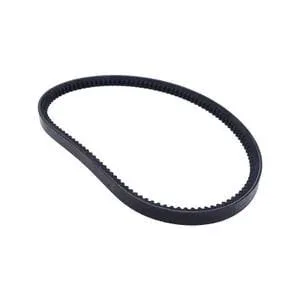
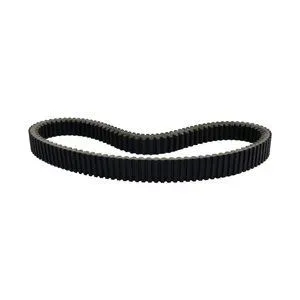
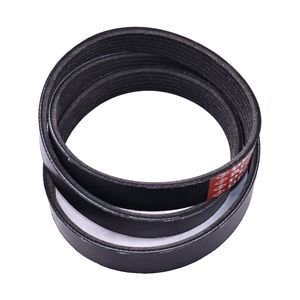
Matched Set Dispatch — Every V-Belt 32993 ships with verified pulley and tensioner inspection data to support complete engine belt drive system rebuilds.
Technical Specifications
| Parameter |
Value |
| Part Number |
32993 |
| Product Type |
Belt |
| Cross-Reference |
32993 (reference only), 13X670La (reference only) |
| Machine Fitment |
Earthquake Rear Tine Tillers |
| Belt Type |
V-Belt / 4LX Profile |
| Top Width |
12 mm |
| Height (H) |
8 mm |
| Belt Length (La) |
670 mm |
| Material |
Rubber with polyester/polyamide tensile cords |
| Condition |
New Aftermarket |
| Warranty |
3–12 months against manufacturing defects |
| Standards |
ISO 9001, ISO 4184, SAE J1459 |
Application Suitability
| Engine System |
Related Components |
| Primary engine to tine drive transmission |
Drive pulleys, idler pulleys, tensioner assemblies |
| Auxiliary accessory drive on small engines |
Belt guards, pulley alignment shims, fastener kits |
| Scheduled engine drive system maintenance |
Matched pulley sets, tension springs, bearing inserts |
Why Belt Failures Repeat Within Weeks of Replacement
A new V-Belt 32993 engine replacement inherits the exact failure mode that destroyed its predecessor when the root cause lives in the surrounding system.
In mining camp workshops and rural maintenance sheds, I have watched mechanics swap a shredded drive belt, fire up the tiller, and consider the job done. The new belt typically survives a few operating cycles before fraying at the same edge or snapping under load. The pulley groove that wore into a mismatched profile over the previous season is still there, sawing through the fresh rubber compound from the first revolution. Tensioners with fatigued springs allow slip that generates enough heat to degrade belt material rapidly [NEED_CITE: belt drive system thermal degradation under slip conditions]. Without examining the entire power transmission path, replacing the belt is only addressing the symptom.

The Belt Drive System Context for Rear Tine Tillers
The engine belt drive system on an Earthquake rear tine tiller operates under punishing conditions that distinguish it from simple power transmission applications. This V-Belt 32993 engine replacement must handle high-torque output from the engine crankshaft while absorbing shock loads every time the tines strike compacted soil or buried rock. The continuous start-stop cycles typical of grounds maintenance work subject the polyester/polyamide tensile cords to repeated fatigue loading. Understanding where this belt sits in the power transmission chain — and what other components share the load — determines whether the repair holds or the machine returns to the bench.
System-Level Diagnosis Before Belt Installation
Inspecting only the broken belt without examining companion components is the most common reason for premature repeat failure. Pulley grooves that have worn beyond their original 4LX profile will pinch or misalign a new 12 mm top width belt, concentrating stress on the cord edges. A tensioner that no longer maintains consistent force allows the V-Belt 32993 engine replacement to slip under peak load, generating surface heat that cracks the rubber compound and weakens the tensile cords beneath [NEED_CITE: V-belt failure root cause analysis methodology]. Checking bearing play in idler pulleys and verifying shaft alignment across the drive path takes additional time but prevents the machine from returning with the same complaint within days.
Dimensional Tolerance and Profile Matching
The 4LX profile specification — 12 mm top width paired with 8 mm height — must mate precisely with existing pulley grooves that may have developed wear patterns unique to the previous belt's operating history. A dimensional tolerance held to ±0.3 mm on the 670 mm belt length ensures correct installation tension without requiring pulley repositioning on the engine mounting plate, preserving the original system alignment. The rubber compound with embedded polyester/polyamide tensile cords resists the cyclic elongation that causes cheaper belts to stretch and lose grip after a short service period. Correct profile contact distributes load evenly across the cord package rather than concentrating force at the belt edges where premature cracking begins.
The Cost of Ignoring System Root Causes
When a workshop replaces only the belt without investigating why it failed, the machine typically returns with identical symptoms. Pulley groove wear that goes uncorrected will chew through a replacement belt regardless of material quality. Misaligned shafts that developed gradually over the previous belt's service life continue to push the new belt sideways against the pulley flange, producing accelerated edge wear. Tensioner springs that have lost their calibrated force permit slip under the variable loads that characterize tine engagement with soil [NEED_CITE: mechanical power transmission alignment standards for agricultural equipment]. The cumulative cost of two or three repeat belt replacements and associated labor often exceeds the cost of a complete pulley and tensioner inspection during the first repair.
Technical Verification Behind Every Shipped Belt
Our own production lines and qualified sourced supply operate under unified quality control, meaning every V-Belt 32993 engine replacement carries identical warranty terms regardless of origin. Part identification works from a part number, a machine model, a photograph of a worn nameplate, or an image of the old belt laid against a ruler. Cross-reference verification covers superseded numbers and alternate designations including 13X670La, confirming fitment before the order ships rather than after it arrives. Technical support remains available to confirm whether a specific engine serial range requires the standard 670 mm length or a variant dimension.
Documentation & Verification
- Commercial invoice listing belt profile, length tolerance, and matched cross-reference numbers
- Compatibility sheet confirming Earthquake tiller model year and engine configuration match
- Quality inspection record documenting tension testing and flex-cycle verification before dispatch
- Warranty terms covering manufacturing defects across the stated coverage period
- Packing photographs showing individual polybag labeling and reinforced carton condition
- HS code classification and customs documentation support for agricultural parts import
Installation & Rebuild Sequence
- Inspect all pulley grooves for wear patterns before routing the new 4LX profile belt
- Verify tensioner spring force and idler bearing play against engine service manual specifications
- Route belt with 12 mm top width seated fully in each pulley groove without twisting
- Confirm 670 mm belt length produces correct deflection under thumb pressure at the longest span
- Run engine at idle to observe belt tracking, then increase to operating RPM gradually
- Re-check tension after initial run-in period as the polyester/polyamide cords seat into pulley grooves
Inquiry Guidance for System-Level Sourcing
Provide your Earthquake tiller model designation and engine serial number so we can verify the correct belt length and profile for your specific configuration. If the nameplate is worn or painted over, share a photograph of the old belt with any visible markings and a measurement across the pulley center distance. For complete drive system overhauls, list the pulley and tensioner part numbers you need alongside the belt to receive a consolidated compatibility confirmation.
Frequently Asked Questions
Q: What other components should I inspect when replacing the V-belt on my Earthquake tiller?
A: Examine every pulley groove for asymmetric wear that could damage a new belt within hours. Check tensioner spring force and idler pulley bearings for play or roughness. Verify shaft alignment across the entire drive path, as gradual misalignment often goes unnoticed until it destroys a replacement belt.
Q: How do I confirm whether my engine uses the 670 mm length or a superseded variant?
A: Share your engine model and serial number, or a photograph of the old belt alongside a measuring tape. We cross-reference the 32993 and 13X670La designations against production records to confirm whether your specific engine build requires the standard length or a variant dimension from a different production run.
Q: Can I get the belt, tensioner, and pulley as a matched set for a complete drive system overhaul?
A: Yes. Provide your tiller model and engine serial number so we can assemble a verified matched set. Shipping the belt with its companion pulleys and tensioner under one consignment ensures dimensional compatibility and eliminates the risk of partial deliveries delaying the repair.
Q: What causes repeated belt failure even after replacement — and how do I diagnose the root cause?
A: Worn pulley grooves, fatigued tensioner springs, and misaligned shafts all produce repeat failures regardless of belt quality. Inspect each component in the drive path systematically, looking for wear patterns on the old belt that indicate whether the failure originated from slip, misalignment, or excessive load.
Q: How do I identify my engine model if the nameplate is worn or painted over?
A: Photograph any visible casting numbers on the engine block or crankcase, along with the pulley configuration and belt routing path. These physical identifiers often allow us to narrow the engine family and confirm the correct belt specification even without a legible nameplate.