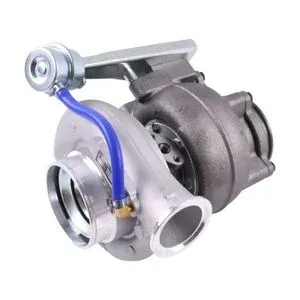
System-Matched Boost Component — Verified against Kubota V3307-DI-TE3-Q and V3307-DI-T-E3B emission tier variants to ensure correct turbine housing and oil feed alignment.
Technical Specifications
| Parameter |
Value |
| Part Number |
1J773-17013 |
| Product Type |
Turbocharger |
| Cross-Reference (reference only) |
1J773-17013, 49177-03242, 49177-03230, 49177-03231, 49177-03232, 49177-03240, 49177-03241, 49177-03243, 1J770-17010, 1J770-17011, 1J770-17012, 1J773-17010, 1J773-17011, 1J773-17012, 1J773-17014 |
| Machine Fitment |
KX080-4S, M6060HDC, M6060HFC, M7060HDC, M7060HDC12, M7060HFC, SSV75, SSV75C, SSV75P, SSV75PC |
| Brand Compatibility |
Fits Kubota equipment platforms |
| Turbo Model |
TD04L4, TD04L4-09TK3-5.0 |
| Compatible Engine |
Kubota V3307, V3307-DI-TE3-Q, V3307-DI-T-E3B (Stage3B/Tier 4) |
| Condition |
New Aftermarket |
| Max Exhaust Temperature |
900°C |
| Quality Standard |
ISO 9001 |
Application Suitability
| Engine System |
Related Components |
| Engine Block & Internal Parts |
Pistons and cylinder liners must be verified for correct tolerance grade following any previous rebuild |
| Lubrication System |
Oil feed and drain lines, plus filtration units, must be cleared to prevent immediate bearing starvation |
| Air Intake System |
Air filters and intake hoses require replacement to stop foreign object ingestion and compressor surge |
| Emission & Exhaust System |
Exhaust manifold gaskets and clamps should be replaced concurrently to maintain seal integrity |
| Cylinder Components |
Valve clearances and seat conditions influence backpressure and overall turbine efficiency |
Why Serial Variants Dictate the Correct Turbocharger TD04L4 Engine Replacement for Kubota V3307
Correct boost specification depends entirely on the exact engine serial variant, not just the base model designation.
A turbo failure rarely happens in isolation. When a machine arrives with a seized turbine, the root cause is usually oil contamination, a clogged air filter, or a cracked exhaust manifold. Replacing the unit without addressing the full intake-to-exhaust system leads to premature repeat failure. [NEED_CITE: diesel engine turbocharger failure root cause analysis]
I have seen repair centers pull a turbocharger TD04L4 engine replacement for Kubota V3307 off the shelf, only to find the oil feed flange does not align with the block because the engine was a Tier 4 variant. The V3307-DI-TE3-Q and V3307-DI-T-E3B carry different emission tier calibrations. These differences affect boost pressure requirements and turbine housing geometry.
Mapping the Adjacent Intake and Exhaust Hardware
The turbocharger TD04L4 engine replacement for Kubota V3307 sits exactly between the exhaust manifold and the intake air system. Oil feed and drain lines, gaskets, and air filters must all be inspected or replaced at the same service event. If the oil drain line is restricted, oil backs up into the turbine housing, causing severe smoking and eventual bearing failure.
When quoting an overhaul, the adjacent hardware matters. A matched set ensures that the gasket thickness matches the mating surfaces, especially if the block has been machined previously. System-level supply means the rebuild shop receives the turbine, the manifold studs, and the heat shields in one consignment, avoiding partial-order delays. [NEED_CITE: heavy duty engine overhaul kit matching requirements]
Engine Serial Variants and Rebuild History
Kubota V3307 platforms have evolved through several emission stages. A unit calibrated for Stage 3B operates under different thermal and pressure loads than earlier iterations. If the engine has undergone a previous rebuild, the mating surfaces might have been milled, requiring specific gasket thicknesses to maintain correct compression and exhaust flow geometry.
Selecting the right unit requires verifying the exact engine serial number. The 1J773-17013 (cross-reference only) covers a broad range, but the physical interface must match the current block configuration. Bearing shells or piston sets supplied in the wrong grade after a previous rebuild will alter the clearances, putting extra stress on the turbine bearings.
Decoding the Thermal and Flow Specifications
The TD04L4 model designation indicates a specific turbine wheel diameter and compressor trim designed for the V3307 displacement. The 900°C maximum exhaust temperature rating reflects the material limits of the turbine housing and wheel alloy under sustained heavy digging or agricultural harvest operations.
Exceeding this thermal threshold, often caused by incorrect fuel injection timing or restricted exhaust flow, leads to micro-cracking in the turbine housing. The TD04L4-09TK3-5.0 variant specifies the exact trim and A/R ratio needed to deliver the required air mass flow. Correct flow prevents the engine from running rich, which otherwise coats the turbine wheel in soot and destroys the balance.

The Cost of Ignoring System-Level Faults
Installing a new unit on an engine with a failing oil pump or restricted intake guarantees a rapid return to the workshop. Turbine wheel damage from foreign object ingestion or bearing wear from oil starvation are system-level faults that must be corrected alongside turbo replacement.
If the root cause is not diagnosed, the replacement will suffer the same fate within a few hundred hours. Downtime multiplies, and the cost of a second teardown far exceeds the price of a comprehensive diagnostic and matched kit approach. Rebuild shops that skip the peripheral checks risk their reputation on a failure they did not cause. [NEED_CITE: mobile equipment maintenance scheduling and diagnostic protocols]
Verification and Sourcing Protocol
Our technical team verifies compatibility and grade confirmation against your specific engine serial number and rebuild history. We provide cross-reference verification covering superseded and alternate numbers, ensuring the 49177-03242 (reference only) or related numbers match your exact build.
You get a complete job list shipped as one consignment, meaning the turbine, the gasket set, and the oil feed line arrive together. We offer sample supply for fitment confirmation before bulk commitment, which is essential when dealing with variant-heavy platforms like the V3307.
Documentation & Verification
- Commercial invoice and packing list detailing the exact turbine model and cross-reference.
- Part compatibility and cross-reference sheet marking all OEM numbers as reference only.
- Quality inspection record covering rotational balance and pressure leakage testing.
- Warranty terms specific to emission and exhaust system components and manufacturing defects.
- Packing photographs showing the unit secured against transit damage to the compressor wheel.
- HS code and customs documentation support for international engine parts shipments.
Installation & Rebuild Sequence
- Flush all oil feed and drain lines before installing the TD04L4 to prevent immediate bearing starvation.
- Verify exhaust manifold stud thread condition and replace if stretched to maintain housing seal.
- Prime the lubrication system by cranking the engine without starting until oil pressure registers.
- Follow a strict break-in procedure, avoiding maximum load for the first few hours of operation.
- Check all intake and exhaust clamps after the first thermal cycle to prevent boost leaks.
Quoting the Complete Engine Overhaul
Provide the exact engine serial number, the specific V3307 variant, and any known history of previous block machining. This allows us to verify the correct turbine model, confirm the matching gasket set, and ensure the entire intake and exhaust system is addressed in a single shipment.
Frequently Asked Questions
Q: What else should be replaced when changing the turbocharger on a V3307 engine?
A: You must replace the oil feed and drain gaskets, the air filter, and the exhaust manifold gaskets simultaneously. Inspecting the intake hoses for internal degradation is also critical, as loose fragments will destroy the new compressor wheel immediately upon startup.
Q: How do engine serial variants affect which turbo model is correct?
A: Variants like the V3307-DI-TE3-Q and V3307-DI-T-E3B have different emission calibrations that dictate specific boost pressures and turbine housing geometries. Installing a unit meant for an earlier tier will result in poor performance, excessive exhaust temperatures, and potential engine damage.
Q: What caused the original turbo to fail, and how do I prevent it from happening again?
A: Common root causes include oil starvation from clogged lines, foreign object ingestion from a broken air filter, or excessive thermal load from a malfunctioning fuel system. Correcting these system faults is mandatory; otherwise, the replacement will fail prematurely.
Q: Are the gaskets and oil feed lines included, or do I need to order them separately?
A: We can supply the turbine as a standalone unit or as part of a matched overhaul kit. Providing your engine serial number ensures we include the exact gasket thickness and oil line configuration required for your specific block and rebuild history.