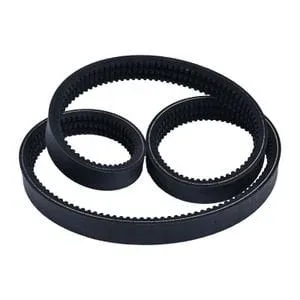
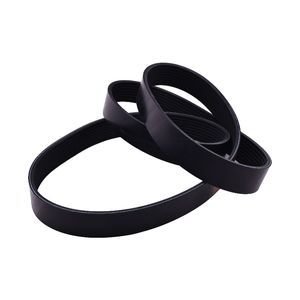
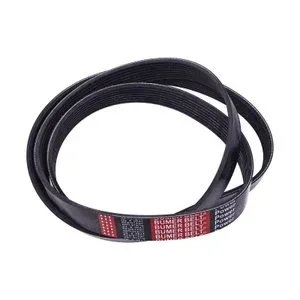
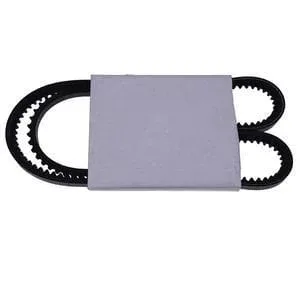
System-matched dispatch — Drive pump belt shipped with tensioner, shaft seal and adjacent drive components to prevent repeat teardowns on Bobcat loaders.
Technical Specifications
| Parameter |
Value |
| Part Number |
6726898 |
| Cross-Reference |
6726898 (reference only) |
| Product Type |
Belt |
| Machine Fitment |
Skid Steer Loader 753, 763, 773, S130, S150, S160, S175, S185, S205; Track Loader T140, T180, T190 |
| Length |
57.4 inches |
| Width |
1.19 inches |
| Groove Configuration |
3 grooves, cogged flat design |
| Backing Construction |
Fiber-loaded backing with additional cord support |
| Condition |
New Aftermarket |
| Warranty |
3-12 months against manufacturing defects |
| MOQ |
1 piece |
| Certification |
ISO |
Application Suitability
| Engine System |
Related Components |
| Engine-to-hydraulic-pump drive circuit |
Tensioner assembly, idler pulley, pump shaft seal |
| Primary hydraulic pump drive |
Pulley alignment shims, belt guard hardware |
| Accessory drive system on Bobcat loader engines |
Crankshaft pulley, fan belt, drive sheaves |
Why a Drive Pump Belt Fails Before Its Time
Most belt failures on Bobcat loaders are symptoms of adjacent component wear, not belt defects.
When a machine comes into the shop with a shredded or slipped drive pump belt, the instinct is to swap it and send the loader back to work. In my years running overhaul jobs through European and North American channels, I have watched that belt fail again within weeks because the real cause sat untouched — a worn tensioner bearing, a misaligned pump shaft, or a hardened seal dragging on the pulley surface. A Drive Pump Belt engine rebuild / replacement only holds when the surrounding drive circuit is inspected as a system [NEED_CITE: hydraulic pump drive alignment tolerances for skid steer loaders].
The 753, 763, 773 series and the newer S130 through S205 models all route engine output through this belt to the hydraulic pump. Different production runs within the same model can carry variant pulley profiles or tensioner designs. Ordering without confirming the engine serial risks receiving a belt that physically fits the pulley but slips under load due to groove profile mismatch — a failure that looks like a bad part but is actually a wrong match.

The Belt in the Engine-to-Pump Drive Circuit
This drive pump belt transfers crankshaft rotation to the hydraulic pump that powers loader lift, tilt and travel functions. It sits at the heart of the engine accessory drive, meaning any fault downstream — a binding pump bearing, a seized tensioner — loads the belt beyond its design capacity. When quoting an overhaul or field repair, the Drive Pump Belt engine rebuild / replacement should be line-itemed alongside the tensioner, idler pulley and pump shaft seal to close out the entire drive circuit in one teardown.
Variant Differences Across Bobcat Loader Production Runs
Bobcat loaders in the same model series have used different hydraulic pump configurations across production years, which changes pulley groove count and belt length requirements. A belt stamped 6726898 (cross-reference only) may fit an S160 built in one year but not an S160 from a later run with a revised pump mount. Confirming the engine serial number and pump casting identifier before ordering eliminates this variant trap. We cross-reference superseded and alternate numbers against the specific serial range to confirm the correct 57.4-inch, 3-groove configuration [NEED_CITE: Bobcat loader hydraulic pump drive variant identification].
What the Cog Profile and Backing Construction Mean in Service
The variable cog design on the inner face allows the belt to flex around small-diameter pulleys without generating excessive heat — a common failure mode in compact loader engine bays where ventilation is limited. The fiber-loaded backing adds dimensional stability so the belt resists stretching under the sustained torque loads of hydraulic pump operation. The three-groove profile must seat fully in the pulley; if the pulley grooves are worn or corroded, the belt rides high and wears at the cord line rather than the flanks, causing sudden fracture rather than gradual wear. The additional cord support layer is specifically intended to resist snap failure under shock loads from pump pressure spikes.
The Cost of Treating the Belt as a Standalone Part
Replacing only the belt while leaving a worn tensioner in place shifts the failure point to the new belt within a short operating window. The machine returns to the shop, the operator loses another day of production, and the repair history now shows two belt changes — which the next technician will read as a pattern failure rather than an incomplete job. This repeat teardown cost compounds when the loader is on a remote job site where a second mobilization carries its own travel and logistics burden [NEED_CITE: mobile equipment repeat repair cost factors].
Why Buyers Source This Belt Through Us
Own production on selected lines and qualified sourced supply carry identical QC and warranty terms, so the drive pump belt and its companion components arrive under one accountability. Eight product categories mean the belt, tensioner, shaft seal and pulley hardware ship in a single consignment rather than arriving from separate vendors on mismatched schedules. Orders start from one piece, which matters when a single loader is down and the repair shop needs one belt to close the job today. Part identification works from a number, a machine model, a photograph of the old belt or a nameplate image — whichever the buyer has on hand. Cross-reference verification covers superseded numbers and variant distinctions across Bobcat loader production runs. Technical support confirms groove profile, length and compatibility before the order ships.
Documentation & Verification
- Commercial invoice listing belt part number, groove count and matched companion parts
- Cross-reference sheet mapping 6726898 (reference only) to applicable Bobcat loader serial ranges
- Dimensional inspection record confirming 57.4-inch length and 1.19-inch width
- Warranty terms covering manufacturing defects for the stated period
- Packing photographs showing belt condition and groove profile before dispatch
- HS code and customs documentation support for international belt shipments
Installation & Rebuild Sequence
- Inspect pulley grooves for wear and corrosion before fitting the new cogged belt
- Verify tensioner bearing rotates freely without lateral play or grinding
- Route the 3-groove belt ensuring full seating in all pulley grooves
- Confirm pump shaft seal condition and replace if any lip hardening is visible
- Set tension to specification and rotate the drive circuit by hand before first start
- Run the loader at idle for initial break-in and check belt tracking alignment
Confirm Your Loader Configuration Before Ordering
Provide your Bobcat loader model, engine serial number and any available pump casting details so we can confirm the correct belt variant and matched drive components for your specific machine.
Frequently Asked Questions
Q: What other components should be replaced when changing this drive pump belt?
A: The tensioner assembly, idler pulley and pump shaft seal should all be inspected and typically replaced at the same time. A worn tensioner bearing or hardened shaft seal will load the new belt beyond its design capacity, causing premature failure. Replacing the matched set closes out the entire drive circuit in one teardown.
Q: How do I confirm the correct belt variant for my Bobcat loader?
A: Provide the machine model and engine serial number. Bobcat loaders in the same series may use different hydraulic pump configurations across production runs, which changes belt length and groove profile requirements. We cross-reference the serial against known variants to confirm the correct 57.4-inch, 3-groove belt.
Q: Is the pulley or tensioner likely to need replacement at the same time?
A: Frequently yes. Pulley grooves wear and corrode, preventing the 3-groove belt from seating fully. Tensioner bearings develop play that allows belt flutter under load. If the original belt failed suddenly rather than wearing gradually, pulley and tensioner condition should be treated as the probable cause.
Q: What caused the original belt to fail and how do I prevent it?
A: Common root causes include misaligned pump shafts, seized tensioner bearings and hardened shaft seals dragging on the pulley surface. The variable cog design and fiber-loaded backing resist heat and slippage, but these features only perform when adjacent components are within tolerance [NEED_CITE: root cause analysis for hydraulic drive belt failures].
Q: Can I order a matched set of belt, seal and tensioner together?
A: Yes. We supply the drive pump belt alongside compatible tensioner assemblies, pulleys and shaft seals under a single order with consolidated dispatch. This eliminates split deliveries and ensures all drive circuit components arrive together for a complete repair.