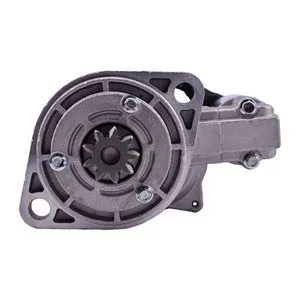
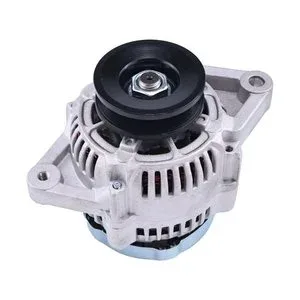
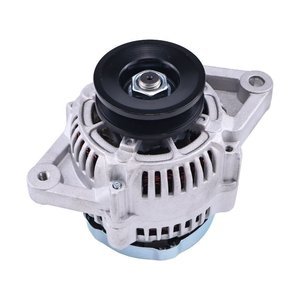
System-Matched Rebuild Set — Starter motor cross-referenced against adjacent alternator and belt-drive components so the engine auxiliary refresh ships complete.
Technical Specifications
| Parameter |
Value |
| Part Number |
45-2323 |
| Product Type |
Starter Motor |
| Cross-Reference |
45-2323, 452323, 10-45-1688, 45-1688, 845-1688, 845-2323, S13-207A, S13-207C, 126486-77010, 126486-77011, 129486-77011 (reference only) |
| Machine Fitment |
SB-200, SB-210, SB-300, SB-310, SB-II SR, SB-III SR, SL100, SL200, SL300, SL400 |
| Voltage |
12V |
| Power Output |
2.0KW |
| Drive Teeth |
9T |
| Condition |
New Aftermarket |
| Warranty |
3-12 months against manufacturing defects |
| Quality Standard |
ISO 9001 |
Application Suitability
| Engine System |
Related Components |
| Starting circuit |
Battery cables, solenoid relay, ignition switch contacts |
| Charging system |
Alternator, voltage regulator, drive belt |
| Flywheel engagement |
Ring gear tooth condition, flywheel runout |
| Engine auxiliary belt drive |
Tensioner, idler pulley, auxiliary drive belts |
Why a New Starter Motor Fails Again Within Weeks
The replacement starter motor is rarely the root cause when repeat cranking failures occur.
A burnt-out starter often traces back to voltage drop across corroded terminals or undersized battery cables feeding the unit. When a fleet supervisor swaps the motor without verifying the charging circuit, the new component inherits the same electrical fault and burns out on the same schedule. I have seen transport refrigeration units come back with a second starter failure before the first warranty claim closed. The engine auxiliary system on Thermo King SB and SL units runs tight electrical loops, and a Starter Motor engine rebuild replacement only holds if the upstream supply and downstream engagement surfaces are sound [NEED_CITE: transport refrigeration unit electrical diagnostic procedures for starting circuit faults].

The Starting Circuit as a System, Not a Single Part
This Starter Motor engine rebuild replacement sits at the end of a chain that begins at the battery bank and runs through heavy-gauge cabling, a solenoid relay, and the ignition switch. Each connection point introduces resistance. On Thermo King SB-200 through SL400 refrigeration units, the 12V 2.0KW demand means the circuit must deliver sustained current during cold cranking. If any node in that chain has degraded, the starter draws higher amperage to compensate, overheating its internal windings. System-level diagnosis before teardown separates a motor failure from a wiring fault.
Cross-Reference Variants Across SB and SL Generations
The Thermo King SB and SL families span multiple production runs, and the same base starter number may appear under superseded references like 10-45-1688 or 845-2323 depending on unit serial range. Some variants differ in terminal orientation or mounting ear clocking, which matters when routing cables inside a tight reefer engine bay. Confirming which cross-reference applies to your specific serial number prevents receiving a motor that is electrically correct but physically misaligned. A Starter Motor engine rebuild replacement ordered against the wrong variant causes fitment delays when the unit is already down [NEED_CITE: Thermo King refrigeration unit serial range and parts supersession documentation].
Reading the Specifications Against Actual Duty
The 9-tooth drive gear must match the flywheel ring gear pitch exactly; even slight wear on the ring gear teeth changes the engagement depth and causes the pinion to chatter or skip during cranking. The 2.0KW output is matched to the small-displacement diesel engines in these refrigeration units, providing adequate torque for cold starts without overloading the solenoid contacts. Operating at 12V means this starter is designed for the standard single-battery circuit common on truck-mounted reefers, not the 24V systems found on larger off-highway equipment. Voltage specification errors between 12V and 24V applications destroy starters within the first engagement cycle.
The Cost of Skipping System Diagnosis
Installing a new starter without checking alternator output and ring gear condition means the underlying fault continues to stress the replacement. On temperature-controlled logistics fleets where a downed reefer puts cargo at risk, the pressure to swap parts fast often overrides the twenty-minute electrical check that would have caught the real problem. Repeat failures on the same unit erode confidence in the parts supply when the actual issue lives in the wiring harness [NEED_CITE: root cause analysis methodology for rotating electrical component failures in mobile equipment].
How This Supply Chain Supports Engine Rebuild Shops
Selected starter motor lines are produced in our own Guangzhou facility, with the remainder sourced from ISO 9001 manufacturing partners — both carry identical quality control and warranty terms. Eight product categories mean the alternator, belt tensioner, and seal kits for the same Thermo King overhaul ship under one account and one consignment. Minimum order starts at one piece for emergency single-unit repairs, with sample supply available for fitment confirmation before a fleet commits to bulk. Our technical team verifies cross-reference numbers against unit serial range and confirms whether adjacent engine auxiliary components need concurrent replacement.
Documentation & Verification
- Commercial invoice and packing list with starter motor part number and unit serial cross-reference noted
- Compatibility and cross-reference sheet marking all OEM numbers as reference only
- Dimensional inspection record covering mounting ear spacing and drive gear tooth count
- Warranty terms covering manufacturing defects for 3 to 12 months
- Packing photographs showing terminal post protection and drive gear wrapping
- HS code and customs documentation support for international shipment
Installation & Rebuild Sequence
- Inspect flywheel ring gear teeth for chips or wear before mounting the new 9T starter
- Clean battery cable terminals and verify voltage drop across each connection under load
- Torque mounting bolts to specification and check drive gear engagement depth
- Confirm alternator output reaches rated voltage before returning the reefer to service
- Run initial cranking test with a current clamp to verify draw stays within expected range
Request a System-Level Quote
Provide the Thermo King unit model, serial number, and any prior electrical repair history so we can confirm the correct cross-reference number and identify adjacent engine auxiliary components that should ship together.
Frequently Asked Questions
Q: What other engine auxiliary parts should be checked when replacing the starter motor?
A: The alternator output, battery cable condition, solenoid relay contacts, and flywheel ring gear teeth all affect starter motor life. On Thermo King SB and SL units, the belt-drive tensioner and auxiliary drive belts share the same service window. Replacing these together during an engine auxiliary refresh prevents a second teardown for a related fault.
Q: How do I confirm which cross-reference number applies to my specific Thermo King unit serial?
A: Provide the full unit model and serial number so our technical team can match the correct superseded or alternate reference. Numbers like 45-2323 and 10-45-1688 may apply to different production runs within the same SB or SL family, with variations in terminal orientation or mounting ear position.
Q: What electrical system checks should be done before concluding the starter motor is faulty?
A: Measure voltage drop across each battery cable connection under cranking load, verify alternator charging voltage at the battery posts, and check for corrosion at the solenoid relay terminals. A starter motor that tests within specification on the bench may still fail on the unit if the supply circuit cannot deliver adequate current.
Q: Can I order a matched set of starter motor and alternator together?
A: Yes. Starter motors and alternators for the same Thermo King refrigeration unit ship from the same account under one consignment. Ordering them together ensures both components are matched to the same unit serial range and arrive ready for a complete engine auxiliary system refresh without split deliveries.