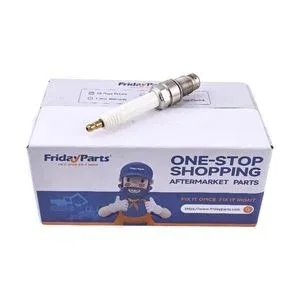
Matched Sets Verified — Ignition specifications confirmed against MTU 4000 engine serial before dispatch, preventing variant mismatch during gas engine rebuild.
Technical Specifications
| Parameter |
Value |
| Part Number |
X52404500056 X52404500062 |
| Product Type |
Spark Plug |
| Cross-Reference |
X52404500056, X52404500062, X52404500050, X52404500027, X52404500039, X52404500049, 70700180049, 0004.800.986.00.07, 00048009860007, 18VGZ1-77, 18VGZ177, 0346-5123, 03465123, FB95WPV, MPC1800, MPC1900, R6GC1-77M, R6GC177M, E6014251 (reference only) |
| Machine Fitment |
MTU 4000, 16V4000-L61, 16V4000L61 |
| Condition |
New Aftermarket |
| Warranty |
3-12 months against manufacturing defects |
| Minimum Order |
1 piece |
| Quality Standard |
ISO 9001 |
Application Suitability
| Engine System |
Related Components |
| Gas ignition system |
Ignition coils, high-tension leads, wiring harness connectors |
| Cylinder head assembly |
Valve seats, valve guides, head gasket set during top-end refresh |
| Combustion monitoring |
Oxygen sensors, engine control module calibration parameters |
| Fuel delivery interface |
Fuel pressure regulator, gas mixer, fuel filter elements |
Why One Fouled MTU 4000 Spark Plug Signals a System-Level Problem
Replacing a single failed plug without reading the full set's wear pattern masks the real fault.
A workshop pulls one fouled spark plug from a 16V4000-L61, orders a single replacement, and the machine fires up — for a few weeks. Then another cylinder misfires. In our Guangzhou warehouse, we have logged dozens of repeat orders where the real issue sat upstream: a rich gas mixture washing the electrode, oil migrating past worn valve guides coating the ceramic insulator, or a cracked ignition coil delivering inconsistent voltage. An MTU 4000 Spark Plug engine rebuild replacement plan must address the system, not the symptom [NEED_CITE: diagnostic interpretation of spark plug fouling patterns in industrial gas engines].
When one plug shows heavy carbon tracking while its neighbors look clean, the adjacent coil or high-tension lead usually carries the fault. Balanced combustion across every cylinder bank depends on matched electrode gap, consistent heat range, and uniform voltage delivery. Partial replacement disrupts that balance and shifts stress to the remaining original plugs, accelerating their failure cycle.

Ignition System Position Within the Gas Engine Rebuild
During a complete MTU 4000 series gas engine overhaul, the spark plug sits at the terminal end of the ignition chain. It receives the high-voltage pulse shaped by the coil, routed through the wiring harness, and triggered by the engine control module. If any upstream component delivers an inconsistent signal, the spark plug bears the visible evidence — making it the most reliable diagnostic window into ignition system health. An MTU 4000 Spark Plug engine rebuild replacement should always be specified alongside the coils and leads for the affected cylinder bank.
Engine Serial Variants and Specification Drift
The MTU 4000 series spans multiple sub-configurations, and ignition specifications shift between them. The 16V4000-L61 may call for a different heat range or thread reach than another 4000 variant sharing the same base engine block. We have seen orders placed against a generic "4000 series" label arrive with thread specifications that were technically close but unable to seat correctly in the cylinder head — close enough to thread in, loose enough to leak compression [NEED_CITE: MTU 4000 series ignition specification variants by engine serial range].
Always confirm the exact engine serial before finalizing the spark plug order. Superseded part numbers in the cross-reference table may reflect updated heat range or electrode gap specifications issued after a production change.
Reading the Specs That Matter for Combustion Quality
The heat range of a spark plug determines how quickly the electrode tip transfers absorbed heat back to the cylinder head. Too hot a range and the electrode erodes prematurely under sustained load in mining or power generation duty; too cold and carbon deposits accumulate on the insulator, tracking voltage to ground instead of across the gap. The electrode gap itself must match the coil's output capacity — a wider gap demands higher voltage and stresses aging coils. Ceramic insulator integrity directly affects dielectric strength; micro-cracks invisible to the eye allow voltage leakage under compression pressure. Each of these parameters must be consistent across the full plug set to maintain cylinder-to-cylinder balance.
The Hidden Cost of Skipping Root-Cause Diagnostics
When a rebuild shop installs new spark plugs without investigating why the old set failed early, the replacement set inherits the same hostile environment. Oil-fouled plugs point to worn valve guides or piston ring blow-by; fuel-washed plugs indicate a mixture calibration fault; melted electrodes signal cooling system deficiency or detonation. Installing fresh plugs into an unresolved condition guarantees a repeat failure, often within the first few hundred operating hours. The cost of the second teardown dwarfs the diagnostic time that would have prevented it [NEED_CITE: gas engine ignition failure root cause analysis methodology].
Why Rebuild Shops Source This Through XUNPO
Our own production lines and qualified sourced supply carry the same quality control and warranty terms, keeping accountability under one roof. Eight product categories mean ignition components, gasket sets, and overhaul hardware ship as a single consignment — no split freight, no staggered arrivals delaying the rebuild. Orders start from one piece, so a fitment sample for gap verification can ship ahead of the full set. Part identification works from the engine serial plate photograph when the original number is illegible. Our cross-reference verification covers superseded numbers and variant-specific specifications. The technical team confirms heat range and gap compatibility against your engine build sheet before dispatch.
Documentation & Verification
- Commercial invoice listing matched spark plug quantities per cylinder bank
- Cross-reference sheet mapping X52404500056 and X52404500062 to engine serial variants, marked reference only
- Quality inspection record including electrode gap measurement and ceramic insulator integrity check
- Warranty terms covering manufacturing defects with replacement protocol
- Packing photographs showing anti-damage protection for ceramic components
- HS code and customs classification support for international engine parts shipments
Installation & Rebuild Sequence
- Verify cylinder head thread condition and clean seat before inserting each spark plug to prevent cross-threading
- Confirm electrode gap against engine build sheet specification; do not assume factory pre-set gap matches your serial variant
- Replace ignition coils and high-tension leads in the same service event to prevent voltage imbalance across the plug set
- Apply anti-seize compound to thread only — avoid contamination of electrode or ceramic insulator surface
- Torque to cylinder head manufacturer specification; over-torque distorts the metal shell and alters heat transfer path
- Run initial break-in cycle and re-inspect electrode color and deposits to confirm combustion balance
Inquiry Guidance for Ignition System Matching
To confirm the correct spark plug variant for your MTU 4000 engine, share the engine model designation, serial number, and any previous rebuild history. If the nameplate is worn, a photograph of the engine block casting number or the old plug's thread and reach dimensions allows us to verify the match. Include your target overhaul scope — whether this is a top-end ignition refresh or a full gas engine rebuild — so we can bundle matched coils, leads, and gasket sets into a single shipment.
Frequently Asked Questions
Q: Should I replace all spark plugs or just the failed one during engine service?
A: For MTU 4000 series gas engines, replacing the full set maintains consistent electrode gap and heat range across every cylinder. A single new plug among worn originals creates combustion imbalance, shifting thermal load unevenly. Matched set replacement during a top-end service prevents staggered failure and avoids a second teardown within weeks.
Q: What other ignition components should I inspect when plugs show abnormal wear?
A: Abnormal electrode erosion or fouling patterns point upstream. Inspect ignition coils for output consistency, high-tension leads for insulation breakdown, and the engine control module calibration. Oil-fouled plugs may indicate worn valve guides rather than an ignition fault. System-level diagnosis prevents repeating the same failure on the replacement set.
Q: How do I confirm which spark plug variant fits my specific MTU 4000 engine serial?
A: The MTU 4000 family includes sub-models like the 16V4000-L61 with variant-specific ignition requirements. Provide the full engine serial number so we can cross-reference the correct heat range, thread reach, and electrode gap. Superseded part numbers in our reference table may indicate specification updates tied to production changes.
Q: What does the fouling pattern on old plugs reveal about engine condition?
A: Carbon deposits suggest a rich fuel mixture or weak spark. Oil coating points to worn valve guides or piston ring blow-by. Melted or blistered electrodes indicate detonation or cooling system deficiency. Reading the pattern across the full set identifies whether the fault is isolated to one cylinder or systemic, guiding the correct repair scope.
Q: Can I order a matched ignition set including plugs, coils, and wiring together?
A: Yes. We consolidate spark plugs, ignition coils, high-tension leads, and associated gaskets into a single shipment under one warranty. This ensures all ignition components arrive simultaneously for the rebuild, eliminates split-freight costs, and guarantees specification compatibility across the matched set for your MTU 4000 variant.