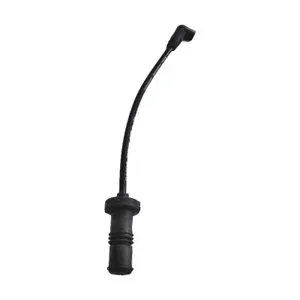
Matched ignition sets — Spark Plug 4955850 4937472 5473010 verified against ISB5.9G and QSL9 engine serial prefixes before dispatch.
Technical Specifications
| Parameter |
Value |
| Part Number |
4955850 4937472 5473010 |
| Product Type |
Spark Plug |
| Cross-Reference |
4955850, 4937472, 5473010 (reference only) |
| Machine Fitment |
C GAS PLUS CM556, C8.3 G, ISB5.9G CM2180, ISC8.3 G CM2180, ISC8.3 G CM2180 C101, ISL G CM2180, L GAS PLUS CM556, L9N CM2380 L124B, QSL9 G CM558 |
| Thread Specification |
14 mm × 1.25 mm |
| Seat Angle |
19° tapered seat |
| Hex Size |
16 mm |
| Reach |
19.5 mm |
| Electrode Material |
Nickel-chromium alloy with laser-welded center electrode |
| Insulator Material |
Alumina ceramic (95% Al₂O₃) |
| Max Operating Temperature |
850°C |
| Spark Gap Tolerance |
±0.05 mm |
| Insulation Resistance |
>10 GΩ at 1,000 V DC |
| Condition |
New Aftermarket |
| Warranty |
3–12 months against manufacturing defects |
| Standards |
ISO 9001, SAE J1330, ISO 15500-4 |
Application Suitability
| Engine System |
Related Components |
| Natural gas ignition — CNG municipal refuse trucks |
Ignition coils, high-tension leads, coil connectors |
| Biogas combustion chamber — landfill compactors |
Spark plug boots, valve cover gaskets during access |
| Lean-burn ignition — quarry haulers with QSL9 G |
Fuel pressure regulator, throttle body seals |
| Sequential ignition — port-side container handlers with ISL G |
Wiring harness segments, ECU calibration verification |
Why the Same Spark Plug Number Ships in Three Variants
The correct Spark Plug for Cummins gas engines depends on the specific engine serial prefix, not just the equipment model.
I spent years diagnosing Cummins C8.3 ISB5.9G engines that returned from overhaul with rough idle and random misfire codes. The rebuilt bottom end was tight, the cylinder head was resurfaced to spec, yet combustion was uneven.*mins natural gas engines installed without checking the specific engine serial variant against the ignition system's heat range requirement. A plug that runs fine in an L9N CM2380 L124B will foul within hours inside a QSL9 G CM558 operating under continuous high-load biogas conditions [NEED_CITE: Cummins gas engine ignition heat range selection by application duty cycle].
The cross-reference numbers 4955850, 4937472, and 5473010 are not universally interchangeable. Each was introduced for a different production phase or engine variant. Substituting one for another without verifying the engine build sheet means risking either a plug that runs too cold and accumulates carbon deposits or one that runs too hot and accelerates electrode erosion. Both conditions produce the same symptom at the dash — misfire — but demand completely different corrective paths.

Ignition System Context and Adjacent Component Matching
A Spark Plug for Cummins natural gas engines does not fail in isolation. Every plug I have pulled from a misfiring ISB5.9G CM2180 or ISC8.3 G CM2180 tells a story about the entire ignition circuit. If the ceramic insulator shows tracking marks along the nose, the high-tension lead or coil boot is likely the primary fault, and swapping only the plug means the new one will fail on the same cylinder within weeks.
Matching the plug to the combustion chamber design of each variant matters because Cummins gas engines run significantly hotter combustion temperatures than their diesel equivalents. The nickel-chromium electrode and alumina ceramic insulator in this plug are specified to withstand the lean-burn thermal profile of natural gas combustion, but they must be paired with ignition coils delivering the correct voltage output for that specific engine control module calibration [NEED_CITE: lean-burn natural gas engine ignition voltage requirements].
Engine Serial Variants and the Supersession Path
The three reference numbers — 4955850, 4937472, and 5473010 — represent a supersession chain across Cummins gas engine production generations. An ISC8.3 G CM2180 C101 built in an earlier production window may specify a different thermal range plug than the same model designation built later. Without the engine serial prefix, even experienced rebuild shops guess wrong.
This is where identification from an engine nameplate image or a serial number lookup prevents costly misfire comebacks. I verify each order against the specific build — C GAS PLUS CM556 versus L GAS PLUS CM556, for example — because the combustion chamber geometry and compression ratio differ between these platforms despite similar naming conventions.
Thermal Specification and Reach Tolerance
The 19.5 mm reach specification is non-negotiable for proper combustion chamber sealing in these Cummins gas heads. A plug with even slightly shorter reach leaves exposed thread inside the chamber, creating a hot spot that promotes pre-ignition under load. Exposed thread also accumulates carbon, making future removal difficult and increasing the chance of helicoil repair during the next service.
The 14 mm × 1.25 mm thread with a 19° tapered seat ensures the plug seals against the cylinder head without relying on a crush gasket, which would alter the heat transfer path. The 16 mm hex fits standard deep-well plug sockets used in tight engine bay configurations on refuse trucks and compactors where overhead clearance is minimal. Operating temperature rated to 850°C accounts for the elevated exhaust gas temperatures typical of continuous-duty natural gas applications [NEED_CITE: spark plug thermal rating standards for natural gas combustion].
The alumina ceramic insulator at 95% Al₂O₃ provides dielectric strength above 10 GΩ at 1,000 V DC, preventing voltage leakage across the insulator surface even when oil mist or moisture is present in the spark plug well — a common condition on high-hour engines where valve cover gaskets have begun to weep.
The Hidden Cost of Mismatched Heat Range Selection
Installing a plug with the wrong thermal characteristic does not cause immediate catastrophic failure, which makes the error harder to trace. Instead, the engine develops a pattern of intermittent misfire that appears under specific load conditions — typically the transition from idle to working RPM on a loaded compactor or a refuse truck climbing a grade. The shop replaces coils, checks injector wiring, and re-flashes the ECU before circling back to the plugs.
Each of these diagnostic steps consumes labor hours and keeps the machine off revenue service. In fleet operations running multiple Cummins-powered units, a single incorrect plug variant across a batch order means every machine in that service cycle develops the same intermittent fault, multiplying the downtime footprint across the fleet rather than isolating it to one unit.
Why Sourcing Here Eliminates the Guesswork
Every Spark Plug for Cummins natural gas engines ships with the engine model and serial prefix verified against the correct reference number. The identification process accepts part numbers, machine models, engine nameplate photographs, or even painted-over dataplates — whatever the buyer has on hand in the shop.
Production on selected ignition component lines and sourced supply from qualified partners both carry identical quality inspection and warranty terms, so the buyer receives consistent gap tolerance and insulation resistance across the entire order regardless of which facility produced a specific batch. Cross-reference verification covers the supersession path between 4955850, 4937472, and 5473010, confirming which number is current and which engine builds each applies to.
Minimum order is one piece, so a shop diagnosing a single-cylinder misfire can order a verification sample before committing to a full fleet tune-up quantity. Technical support addresses compatibility questions and grade confirmation directly, rather than routing through a generic customer service queue.
Documentation & Verification
- Commercial invoice listing each Spark Plug reference number with applicable engine model allocation
- Cross-reference sheet mapping 4955850, 4937472, and 5473010 with supersession notes (reference only)
- Quality inspection record showing spark gap measurement and insulation resistance per batch
- Warranty terms covering manufacturing defects for the stated coverage period
- Packing photographs documenting quantity and condition before carton seal
- HS code and customs documentation support for international ignition parts shipments
Installation & Rebuild Sequence
- Verify plug thread condition in cylinder head before installing the new Spark Plug to prevent cross-thread damage
- Apply anti-seize compound sparingly to threads only, keeping electrode and ceramic insulator completely clean
- Confirm spark gap is within ±0.05 mm tolerance before installation, even on pre-gapped plugs
- Torque to manufacturer specification using the 16 mm hex, respecting the 19° tapered seat sealing method
- Inspect ignition coil boots and high-tension leads for carbon tracking before reconnecting to the new plug
- Run initial start-up and monitor misfire counters through the first thermal cycle to confirm combustion stability
Request the Right Match for Your Engine
Provide the engine model designation and serial number prefix from the Cummins dataplate, along with any previous overhaul documentation noting ignition component changes. For fleet tune-ups, include the operating environment — CNG, biogas, or landfill gas — so the correct thermal variant is confirmed before dispatch.
Frequently Asked Questions
Q: What other ignition components should I inspect or replace when changing these spark plugs?
A: Inspect ignition coils for cracked housings and measure secondary resistance against specification. Check high-tension leads for internal breaks and brittle boots showing carbon tracking. Examine the spark plug wells for oil accumulation indicating valve cover gasket leakage. Replacing plugs without addressing a leaking well or failing coil means the new plug inherits the same fault condition within a short service window.
Q: Are 4955850, 4937472, and 5473010 interchangeable across all Cummins gas engines?
A: These three numbers represent a supersession path across different Cummins gas engine production generations and variants. They are not universally interchangeable — the correct plug depends on your specific engine serial prefix and build configuration. An ISB5.9G CM2180 and an L9N CM2380 L124B may require different thermal ranges despite sharing similar reference documentation. Always verify against your engine serial before ordering.
Q: How do I confirm the correct spark plug variant for my specific Cummins gas engine build?
A: Locate the engine serial number on the Cummins dataplate, typically on the valve cover or gear housing. Provide this serial prefix along with the engine model designation such as ISC8.3 G CM2180 or QSL9 G CM558. If the dataplate is painted over or missing, a clear photograph of the engine block casting numbers allows identification. This information confirms the exact plug variant required.
Q: What system-level fault could cause repeated spark plug failure after replacement?
A: Recurrent failure on a single cylinder typically points to a faulty ignition coil, damaged wiring harness segment, or oil intrusion from a leaking valve cover gasket. Across multiple cylinders, investigate fuel pressure regulation issues causing lean or rich conditions outside the plug's thermal design window. Addressing the root cause before installing new plugs prevents rapid repeat failure and unnecessary parts consumption.
Q: Can I order matched ignition sets including plugs, coils, and leads together?
A: Yes, matched ignition sets ship as a single consignment covering all cylinders for the specified engine platform. Ordering the complete set ensures all ignition components are from the same production batch with consistent specifications, and it eliminates the risk of partial delivery delaying the tune-up. Provide the engine model and serial number to receive the correct matched configuration for your build.