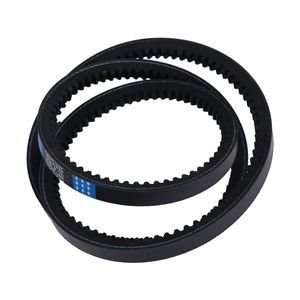
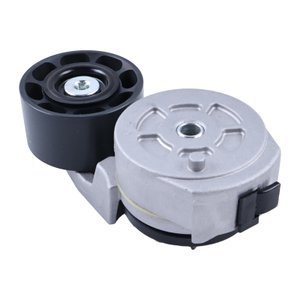
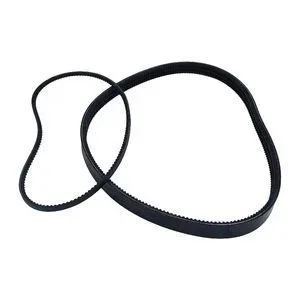
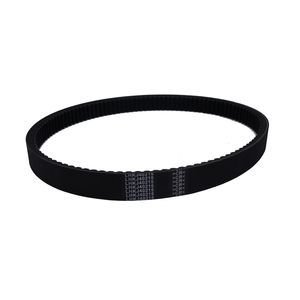
Matched Tensioner Sets — Spring load verified against John Deere 4045 and 6068 accessory drive specifications before dispatch.
Technical Specifications
| Parameter |
Value |
| Part Number |
RE548027 |
| Product Type |
Belt Tensioner |
| Cross-Reference |
RE548027 (reference only) |
| Engine Compatibility |
John Deere 3029, 4045, 6068, 6090, 6125, 6135 |
| Material |
Forged steel mounting bracket, high-carbon spring steel |
| Surface Treatment |
Zinc-nickel electroplated finish (ASTM B633 Type IV) |
| Operating Temperature Range |
-20°C to +110°C |
| Pivot Radial Runout Tolerance |
±0.05 mm |
| Tension Retention |
42–48 Nm |
| Salt Spray Test |
96-hour neutral salt spray |
| Condition |
New Aftermarket |
| Warranty |
3–12 months against manufacturing defects |
| Standards |
ISO 9001, ASTM B633 Type IV, SAE J2044, ISO 16750-2 |
Application Suitability
| Engine System |
Related Components |
| Serpentine belt drive circuit |
Drive belt, idler pulleys, alternator pulley |
| Cooling system accessory drive |
Water pump pulley, thermostat housing gasket |
| Air conditioning compressor loop |
AC compressor clutch pulley, compressor mounting hardware |
| Front-end accessory bracket assembly |
Bracket fasteners, vibration damper, crankshaft pulley |
Why Belt Drive Failures Return After a Tensioner Swap
Replacing the tensioner alone while worn idler bearings or degraded belts remain in the circuit invites premature re-failure.
Over the years stationed in Indonesia servicing John Deere agricultural and construction fleets, I have pulled belt tensioner assemblies off 4045 and 6068 engines where the tensioner was the symptom, not the cause. Seized idler pulley bearings, contaminated belt routing paths, and over-torqued adjacent mounting bolts all load the tensioner pivot beyond its design envelope [NEED_CITE: belt drive system root cause analysis for diesel engines]. A belt tensioner engine rebuild replacement for John Deere 4045 6068 solves nothing if the underlying misalignment or thermal stress source goes unaddressed. The teardown time is identical whether you swap one component or refresh the entire front accessory drive — the cost difference lies in whether the machine comes back to the shop in three weeks or three thousand hours.

Belt Drive Circuit Position During Engine Overhaul
The belt tensioner sits at the center of the serpentine routing path on John Deere 3029, 4045, and 6068 engines. It interacts directly with every pulley in the accessory drive loop. During a top-end rebuild or scheduled belt service, the tensioner should be inspected alongside the serpentine belt, idler pulleys, water pump pulley, and alternator pulley as a single system. A belt tensioner engine rebuild replacement for John Deere 4045 6068 ordered in isolation often means a second teardown when an adjacent component fails shortly after reassembly.
Engine Serial Variants and Accessory Bracket Differences
Within the John Deere 4045 and 6068 engine families, the same base engine block may carry different accessory drive bracket configurations depending on production generation and application. Tractors in the 5M and 5R series, excavators in the 210G and 260LC range, and combines like the S660 and S770 can all share a 6068 displacement block but route the belt drive differently [NEED_CITE: John Deere engine serial prefix and accessory drive variant documentation]. Confirming the engine serial prefix before ordering ensures the tensioner arm angle and mounting hole pattern match the specific bracket on the machine. A mismatch means the tensioner physically bolts on but the belt tracks off-center under load, wearing the belt edges within operating hours.
Reading the Specifications Against Field Conditions
The zinc-nickel electroplated finish per ASTM B633 Type IV is not decorative — it provides corrosion resistance in the high-humidity, salt-laden environments typical of port-side loaders and coastal agricultural operations. The 96-hour neutral salt spray rating indicates the surface survives prolonged exposure before any red corrosion appears. The pivot radial runout tolerance of ±0.05 mm keeps the tensioner pulley concentric with the belt path, preventing the lateral walk that shreds belt edges at high RPM. Tension retention between 42 and 48 Nm across the operating range of -20°C to +110°C covers cold-start conditions in temperate climates and sustained thermal load during extended harvest shifts. The high-carbon spring steel element maintains load through thousands of thermal cycles without relaxing below the minimum belt tension threshold [NEED_CITE: spring steel fatigue characteristics in diesel accessory drive applications].
The Cost of Skipping System-Level Diagnosis
When a belt tensioner fails and the replacement goes in without checking the idler bearings or belt condition, the new tensioner absorbs the same misalignment stress that destroyed the first one. The pivot bushing wears prematurely, spring load drops below specification, and belt slip returns. For a combine running harvest windows or an excavator on a mining contract, each unplanned teardown costs more in lost production than the entire front-end accessory drive refresh would have [NEED_CITE: unplanned downtime cost models for agricultural and construction equipment]. Ordering the tensioner alongside idler pulleys, a new serpentine belt, and water pump gaskets as a matched set removes the variable of adjacent component age from the failure equation.
What XUNPO Brings to This Specific Component
Our production and sourcing lines run the same quality checks on belt drive components: spring load verification, pivot torque measurement, and pulley concentricity inspection are documented per batch. We carry the belt tensioner engine rebuild replacement for John Deere 4045 6068 alongside overhaul gaskets, seal kits, and adjacent engine components under a single account with unified warranty terms. Engine serial variant confirmation is handled by our technical team before dispatch — provide the serial prefix and application, and we cross-check the accessory bracket configuration. Samples are available for fitment trials before bulk commitment, particularly useful when retrofitting older machines where nameplate data is degraded. One-piece minimum order applies, so an emergency single-unit purchase ships without MOQ friction.
Documentation & Verification
- Commercial invoice listing engine serial compatibility and cross-reference notation
- Part compatibility sheet matching tensioner variant to engine bracket configuration
- Quality inspection record covering spring load, pivot torque, and pulley concentricity
- Warranty terms document specifying coverage period against manufacturing defects
- Packing photographs showing zinc-nickel finish condition pre-dispatch
- HS code and customs documentation for cross-border engine parts clearance
Installation & Rebuild Sequence
- Inspect all idler pulleys for bearing play before installing the new tensioner
- Clean the accessory bracket mounting surface to ensure flush tensioner seating
- Torque tensioner mounting hardware to John Deere specification, avoid over-torque
- Route the serpentine belt per the engine diagram, confirm belt tracks centered on every pulley
- Run the engine at idle, observe belt tracking and listen for pivot bearing noise
- Recheck belt tension and tensioner arm position after initial operating cycle
Quoting This Tensioner for Your Rebuild
Provide the engine model, serial prefix, and any known rebuild history when requesting a quote. If the nameplate is worn or painted over, a photograph of the accessory bracket and pulley layout allows our team to identify the correct tensioner variant. Include any adjacent components needed for the belt drive refresh so the complete job ships in one consignment.
Frequently Asked Questions
Q: What other belt drive components should I inspect when replacing this tensioner?
A: Check every idler pulley for bearing play, examine the serpentine belt for glazing or edge wear, and verify the alternator and water pump pulleys for alignment. A seized idler or misaligned pulley loads the tensioner beyond its design capacity, causing premature pivot wear even on a new unit.
Q: My John Deere engine has a serial variant — how do I confirm fitment?
A: Provide the engine serial prefix from the nameplate or stamped block location. Within the 4045 and 6068 families, accessory bracket configurations differ across production generations. We cross-reference the serial data against bracket layouts to confirm the tensioner arm angle and mounting pattern match your engine.
Q: The belt keeps failing after tensioner replacement — what should I investigate?
A: Inspect the belt routing path for contamination, check all pulleys for lateral runout, and verify that mounting hardware on the accessory bracket was not over-torqued during previous service. Root cause typically lies in the surrounding circuit rather than the tensioner itself.
Q: Can I order this tensioner with overhaul gaskets and belts together?
A: Yes. We consolidate the tensioner with matched belts, idler pulleys, thermostat gaskets, and seal kits under one account. The complete belt drive refresh ships as a single consignment, eliminating split deliveries and mismatched lead times across the job list.
Q: How do I identify the engine model if the nameplate is unreadable?
A: Send photographs of the engine block stamping location, the accessory bracket layout, and any visible casting numbers. Our technical team uses these references to narrow the engine family and serial range, then confirms the correct tensioner variant before you commit to the order.