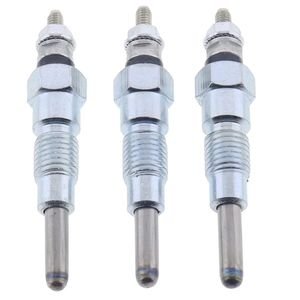
Matched Set Dispatch — All glow plugs ship from the same production batch with verified resistance curves for balanced cylinder ignition across Yanmar 3TNV series rebuilds.
Technical Specifications
| Parameter |
Value |
| Part Number |
MIU805954 |
| Product Type |
Glow Plug |
| Cross-Reference |
MIU805954 (reference only) |
| Machine Fitment |
Yanmar 3TNV80F, 3TNV76, 3TNE74C, 3TNE74, 3TNV70, 3TMN72, 3TMN74F, 3TNM72, 3TNM74F; John Deere 1023E, 1025R, 1026R, 2025R, 2026R, 2305, 2320, 260, 1435, 2500E, 2500B, 2550, 2750, 1550, 4X4, 6X4, GATOR, HPX815E, M-GATOR, XUV855D, XUV855E, XUV865R, XUV875M, XUV875R, X495, X595, X740, X744, X748, X749, X750, X754, X758, Z994R, 48C, 54D, 54HC, 60D, 60HC, UV72, 2030A, 6080A, 6500A, 6700A, 7200A, 2653B; Kawasaki FD620D |
| Condition |
New Aftermarket |
| Wattage Draw |
11–13 W at 12 V |
| Heating Element |
Dual-coil ceramic with Ni-Cr alloy windings |
| Sheath Material |
Stainless steel (AISI 304) |
| Thread Pitch and Seating Depth Tolerance |
±0.05 mm |
| Surface Hardness |
HV 320–350 |
| Warranty |
3–12 months against manufacturing defects |
| MOQ |
1 piece |
| Standards |
ISO 9001, SAE J1317, Yanmar Q-11100, ISO 8528-10 |
Application Suitability
| Engine System |
Related Components |
| Cold-start pre-combustion |
Glow plug controller, relay, wiring harness connectors |
| Fuel delivery and atomization |
Fuel injectors, injection pump, fuel filter, return lines |
| Electrical power supply |
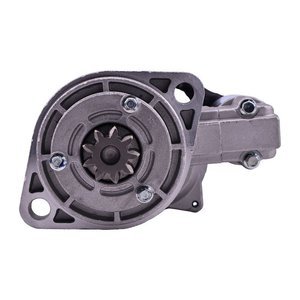
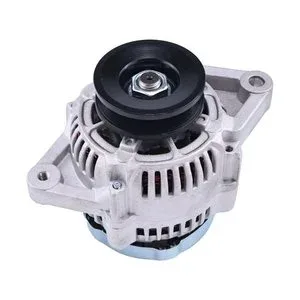
Battery, alternator, starter motor, main fuse block |
| Engine overhaul kit |
Piston rings, cylinder liners, main bearings, gasket set, valve seals |
Why One Failed Glow Plug Means the Entire Set Is Compromised
Replacing a single cylinder's plug without addressing the system leaves the remaining units on a countdown to sequential failure.
A compact tractor that refuses to fire on a cold morning often points the finger at the glow plug system, but the root cause may sit elsewhere in the electrical or fuel circuit. Weak battery voltage, a failing relay, or carbon buildup inside the pre-combustion chamber can push one plug past its thermal limit while the others struggle in silence. The failed unit is simply the weakest link in a chain that was already under stress. [NEED_CITE: diesel cold-start system diagnostic procedures for small-bore engines]
Shops that pull only the dead plug and leave the rest in place typically see the next failure within weeks. The Glow Plug engine replacement MIU805954 operates as part of a matched set, and uneven resistance across cylinders creates imbalance that the ECU reads as a fault condition. Balanced ignition depends on every plug reaching target temperature at the same rate.
The System Behind the Cold-Start Circuit
Every Yanmar 3-cylinder diesel relies on the glow plug circuit to raise combustion chamber temperature above the auto-ignition threshold before the first injection event. The battery feeds the relay, the controller modulates duty cycle, and each plug converts electrical energy into localized heat at the pre-combustion zone. A voltage drop anywhere along this path — corroded harness connectors, undersized wiring, a relay with pitted contacts — starves the plug of the current it needs. The plug gets blamed, but the system is what failed.
Ordering the Glow Plug engine replacement MIU805954 as a matched set ensures every cylinder receives a unit from the same production run. Consistent resistance values across the set prevent the controller from detecting imbalance, which would otherwise trigger fault codes and limp-mode operation on electronically managed variants of the 3TNV and 3TNE families.
Batch Consistency and Engine Serial Variants
Yanmar's 3TNV80F and its siblings span multiple production generations, and the pre-combustion chamber geometry evolved across serial ranges. A glow plug that threads in correctly but protrudes too far or sits too deep will either foul quickly or fail to heat the fuel charge effectively. The thread pitch and seating depth tolerance of ±0.05 mm on this unit is held to match the original chamber specifications. [NEED_CITE: Yanmar 3TNV engine serial variant identification procedures]
When an engine has been through a prior rebuild, the cylinder head may have been machined, altering the seating depth relationship. Confirming the engine serial number and any head work history before ordering prevents a mismatch that no amount of torquing will fix. Engine rebuild shops including glow plug sets in overhaul kits for the 3TNV and 3TNE series should verify whether the head has been skimmed and whether oversize or recessed plugs are needed.
Reading the Specifications That Matter in the Bay
The dual-coil ceramic heating element with Ni-Cr alloy windings is designed for rapid thermal response. The self-regulating characteristic of the dual-coil design means the plug draws higher current during the initial heat-up phase and then tapers off, reducing the risk of burnout if the controller holds the circuit active longer than necessary. This behavior protects the plug in applications where operators cycle the key repeatedly during cold cranking.
The AISI 304 stainless steel sheath resists corrosion from combustion byproducts and condensation inside the pre-chamber. Surface hardness in the HV 320–350 range provides enough resistance to carbon erosion without becoming brittle under thermal cycling. The wattage draw of 11–13 W at 12 V falls within the standard range for this bore class, meaning the existing relay and controller do not require modification when swapping from the previous set.
Warm-up time in the 1.2–1.5 second range at sub-zero temperatures is a system-level figure — actual performance depends on battery state of charge and wiring condition. A battery reading below specification will stretch this interval and may lead a technician to condemn a perfectly functional plug.

What Happens When the Root Cause Goes Unchecked
A shop that installs a new set of plugs without tracing the original failure will often see the replacements fail in the same sequence within a single season. Carbon-fouled pre-combustion chambers insulate the plug tip from the fuel charge, forcing it to work harder and hotter until the element burns through. Injector spray pattern degradation compounds the problem — fuel that does not atomize properly pools on the plug surface, accelerating carbon buildup and thermal stress. [NEED_CITE: pre-combustion chamber carbon deposit effects on diesel glow plug service life]
Repeated failure after replacement is almost always a system diagnosis issue, not a part quality issue. Checking the wiring harness connectors for corrosion, verifying relay output under load, and inspecting the pre-chamber for deposits addresses the conditions that destroyed the original set. Skipping these steps turns a straightforward maintenance task into a cycle of comebacks.
Why Rebuild Shops Source This Component Through One Account
Own production on selected lines and qualified sourced supply under a single account means the glow plug set arrives with the same warranty terms as the piston rings, bearings, and gaskets in the same overhaul kit. Eight categories of engine and machine components ship as one consignment, eliminating the split-freight problem that delays a rebuild when one supplier ships late.
Minimum order from one piece supports the shop that needs a single replacement for a diagnostic test, while batch-matched sets are available for full cylinder-bank installation. Part identification from a machine model, photograph, or nameplate image resolves situations where the original plug number is illegible or superseded. Cross-reference verification covers alternate and superseded numbers across Yanmar and compatible John Deere serial ranges.
Technical support is available for compatibility and grade confirmation before the order ships, reducing the chance of receiving plugs that thread in but do not match the chamber depth for a specific engine variant.
Documentation & Verification
- Commercial invoice listing MIU805954 with batch number for traceability across matched sets
- Cross-reference sheet confirming interchange numbers marked as reference only for Yanmar and compatible engines
- Quality inspection record covering voltage ramp test and thermal rise measurement per unit
- Warranty terms document specifying coverage period against manufacturing defects
- Packing photographs showing individual plug condition and terminal integrity before crate closure
- HS code and customs documentation support for international overhaul kit consolidation
Installation & Rebuild Sequence
- Verify pre-combustion chamber depth with a gauge before installing the new Glow Plug engine replacement MIU805954 to confirm seating relationship
- Clean cylinder head glow plug bores with a dedicated brush to remove carbon deposits that distort torque readings
- Apply a thin anti-seize compound to threads only, avoiding any contact with the heating element or sensor tip
- Torque to engine service manual specification and recheck after the first thermal cycle to account for gasket relaxation
- Test relay output and controller duty cycle with a multimeter before reassembly to eliminate electrical root causes
- Log resistance values for each installed plug to establish a baseline for future seasonal maintenance checks
Before You Place the Order
Provide the engine model, serial number, and any prior rebuild history so we can confirm chamber depth requirements and serial variant compatibility. If the original plug number is worn or the nameplate is unreadable, a photograph of the existing plug beside a ruler or caliper is usually enough to verify the match. For overhaul kit consolidation, share the full engine build list and we will align the glow plug set with the remaining components under one shipment.
Frequently Asked Questions
Q: Should I replace all glow plugs at once or just the failed one?
A: Replacing the entire set from the same production batch ensures consistent resistance and heating curves across all cylinders. A single new plug paired with older units creates an imbalance the ECU may detect as a fault, and the older plugs are likely near end of life anyway. Matched-set replacement eliminates repeat disassembly and protects injectors from uneven combustion events.
Q: What other engine system components should I inspect when replacing glow plugs?
A: Check the glow plug relay, controller output, and wiring harness connectors for corrosion or voltage drop. Inspect the pre-combustion chamber for carbon deposits and verify injector spray pattern, as fouled chambers and poor atomization are common root causes of premature plug failure. A battery load test confirms the electrical supply side is not starving the circuit during cold cranking.
Q: How do I confirm the correct glow plug for my specific Yanmar engine serial variant?
A: Provide the full engine serial number so we can cross-reference the production range and confirm seating depth requirements. Serial variants within the 3TNV family may differ in pre-chamber geometry. A photograph of the existing plug or a measurement of thread engagement length helps verify the match before we ship the replacement set.
Q: What causes repeated glow plug failure after replacement?
A: Repeat failure typically traces to unaddressed system issues — carbon-fouled pre-combustion chambers, degraded injector spray, corroded wiring connectors, or a failing relay that delivers inconsistent voltage. Installing new plugs without diagnosing these conditions means the replacements face the same stresses that destroyed the originals. System-level inspection before installation prevents the cycle.
Q: Does the overhaul kit for this engine include glow plugs, or are they ordered separately?
A: Overhaul kit contents vary by supplier and kit tier. Some kits include glow plugs, while others list them as separate line items. Confirm the kit contents list before ordering. If glow plugs are not included, we supply matched sets under the same account and warranty, consolidated into one shipment with the rest of the rebuild components.