Frequently Asked Questions
Q: What other fuel system components should I inspect or replace when changing this pump?
A: You should inspect the inline fuel filter, the condition of the fuel lines for ethanol swelling, and the carburetor bowl for sediment. Replacing the fuel pump engine rebuild replacement without addressing a clogged filter or degraded lines will likely lead to a repeat failure, as debris or abnormal pressure will damage the new diaphragm.
Q: How do I confirm the correct fuel pump for my specific Kawasaki engine serial number?
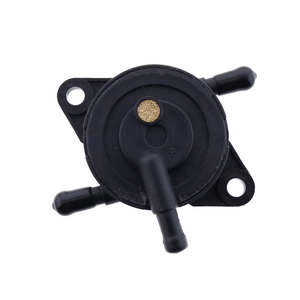
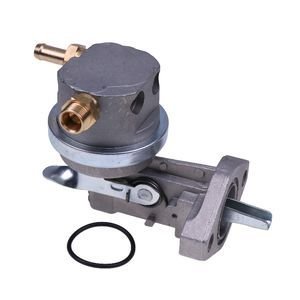
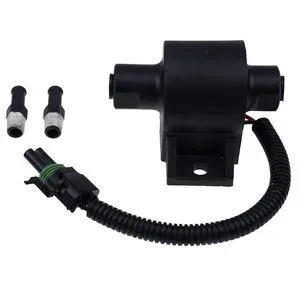
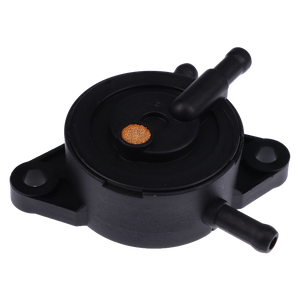
A: Provide the engine serial prefix or a clear photograph of the original pump and machine nameplate. Our technical team uses these details to verify the application against our cross-reference database (reference only), ensuring the port orientation and pulse line configuration match your specific Kawasaki variant.
Q: What causes repeat fuel pump failure on ethanol-blended fuels, and how does this unit address it?
A: Ethanol causes standard rubber diaphragms to swell and crack, leading to internal leaks and stalling. This unit uses a nitrile rubber (NBR) diaphragm rated to 120°C, which resists ethanol degradation and maintains its structural integrity across the temperature cycles typical of commercial mowing operations.
Q: Do different John Deere LX/GX model years use the same fuel pump, or are there variants?
A: While the AM132715 identifier covers a wide range of John Deere LX and GX series tractors, engine serial variants and production year changes can affect fitment. We verify the exact application using your machine model and engine serial number to ensure the housing mating surface and port seals align correctly.
Q: Can I order a complete fuel system service kit in one shipment?
A: Yes, we consolidate multiple categories under one account. You can add fuel filters, vacuum hoses, and carburetor rebuild components to the same order as the fuel pump, ensuring everything required for the engine system overhaul arrives in a single consignment with matched lead times.