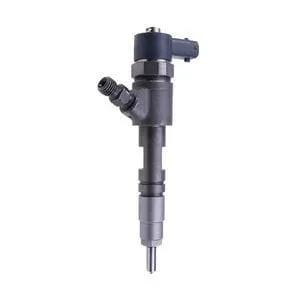
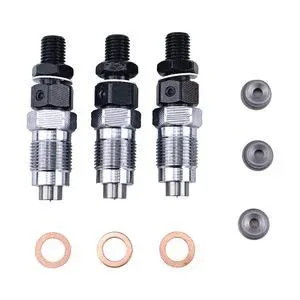
Matched Set Dispatch — Every injector in a D1803 or V2403 rebuild kit ships together, verified against the same engine serial variant before packing.
Technical Specifications
| Parameter |
Value |
| Part Number |
1J808-53050 1J808-53052 0445110775 |
| Product Type |
Fuel Injector |
| Cross-Reference |
1J808-53050, 1J808-53052, KEARI-1J808, 0445110775, 0 445 110 775, 1J80853050, 1J80853052, KEARI1J808, 1J80853051, 1J808-53051, 1J808 53051, 0445110711 (reference only) |
| Machine Fitment |
D1803, V2403, D1803-CR-TIE4B-KEA-1, V2403-CR-TIE4BG-KEA1, D1803-CR-TIE4, V2403-CR-TIE4, R430, R430CA |
| Condition |
New Aftermarket |
| Warranty |
3-12 months against manufacturing defects |
| Standards |
ISO 9001 |
Application Suitability
| Engine System |
Related Components |
| Common-Rail Fuel Delivery (D1803-CR) |
High-pressure fuel lines, injection pump, fuel rail assembly |
| Fuel Filtration Circuit |
Primary and secondary fuel filters, water separator elements |
| Cylinder Combustion Chamber |
Piston crown, cylinder head gasket, valve seat inserts |
| Engine Overhaul Package |
Complete gasket set, piston rings, main and rod bearing shells |
Why the Same Part Number Ships in Four Variants
Matching the injector variant to the exact engine serial prevents repeat teardowns.
A wheel loader running rough in the quarry often points back to the fuel system, yet swapping in a replacement fuel injector engine overhaul rebuild without checking the engine serial variant is how shops end up pulling the cylinder head twice. I have watched a D1803-CR-TIE4 get fitted with injectors spec'd for the D1803-CR-TIE4B-KEA-1 build. The rail pressure mapping differed enough that one cylinder ran lean under load, and the machine was back in the bay within the first week. The same base part number covers distinct internal calibrations, and confusing them wastes the labor cost of a full teardown [NEED_CITE: Kubota D1803 engine serial variant identification guide].
Where This Fuel Injector Sits in the Common-Rail System
The fuel injector engine overhaul rebuild for these Kubota platforms sits downstream of the high-pressure pump and fuel rail, atomizing diesel at pressures that leave no tolerance for mismatched flow rates between cylinders. During a complete system refresh, the injectors must be treated as a matched set — replacing two out of three or four means the new units deliver slightly different spray patterns than the remaining old ones, and the engine control module cannot compensate for that variance.
Serial Variants and Rebuild History Dictate the Correct Grade
Engine serial variants like D1803-CR-TIE4 versus D1803-CR-TIE4B-KEA-1 carry different fuel system calibrations from the factory, and a previous rebuild may have introduced non-standard piston or bore dimensions that shift compression ratios. If the shop that overhauled your V2403 last time installed oversize pistons without documenting it, the combustion chamber volume changed, and the injector flow characteristics that suited the original build may no longer produce clean combustion. Verifying the rebuild history before ordering the fuel injector engine overhaul rebuild set avoids receiving units calibrated for a factory-fresh engine [NEED_CITE: common-rail injector calibration variance after cylinder rebore].
Reading the Flow Rate and Spray Angle Specs
The nozzle geometry on these common-rail injectors governs fuel atomization quality, which directly affects soot production and thermal loading on the piston crown. Operating pressure within the rail must align with the injector's designed cracking pressure — too low and the spray pattern collapses into droplets rather than a fine mist, too high and the needle seat erodes prematurely. The electromagnetic response time of the solenoid determines the minimum achievable injection pulse width, which matters at idle where precise fuel metering keeps the engine smooth.

The Hidden Cost of Skipping Root Cause Investigation
When a fuel injector engine overhaul rebuild fails early, the instinct is to blame the replacement part — but contaminated fuel supply, a worn high-pressure pump shedding metal particles, or clogged secondary filters are the actual root causes in a significant share of repeat failures. Installing fresh injectors into a system with degraded filtration means the new units accumulate the same abrasive wear within weeks. The machine goes back down, and now the owner suspects the parts rather than the upstream condition that destroyed the first set [NEED_CITE: diesel fuel system contamination and injector wear correlation].
Why Rebuild Shops Source This Fuel System Here
Self-produced fuel system components and qualified sourced supply carry identical QC and warranty terms under a single account, so a complete fuel system overhaul — injectors, filters, gaskets, and seals — ships as one consignment with one warranty reference. Part identification works from the engine serial plate photograph when the injector nameplate is illegible under years of heat and oil film. Cross-reference verification covers superseded numbers, catching cases where 1J808-53050 was updated to 1J808-53052 and the old listing no longer matches the current engine build. Technical confirmation of injector compatibility against the specific engine serial variant happens before the order ships, not after the package arrives. Sample supply is available for fitment confirmation before a distributor commits to bulk stocking of matched sets.
Documentation & Verification
- Commercial invoice listing each injector by engine serial variant matched
- Cross-reference sheet mapping 1J808-53050 and 0445110775 variants (reference only)
- Functional flow test record per injector before packing
- Warranty terms covering manufacturing defects for 3-12 months
- Packing photographs showing injector tip protection during transit
- HS code and customs documentation for fuel system component export
Installation & Rebuild Sequence
- Flush fuel rail and high-pressure lines before fitting the replacement fuel injector engine overhaul rebuild set to prevent residual contamination.
- Use new copper crush washers and return line O-rings — reusing old seals causes leak-down and rail pressure instability.
- Torque injector clamp bolts to the engine manual specification; uneven clamping distorts the injector body and alters spray pattern.
- Prime the fuel system and verify rail pressure buildup before cranking; dry-running the high-pressure pump causes immediate scoring.
- Log injector correction codes if the engine ECU supports individual cylinder trim calibration after the fuel injector engine overhaul rebuild installation.
Send the Engine Serial, Get the Matched Set Confirmed
Provide the engine model, serial number from the nameplate, and any known rebuild history so the correct fuel injector variant is identified before dispatch. If the nameplate is painted over or corroded, a photograph of the block casting number and the existing injector body markings allows cross-reference confirmation. Rebuild shops preparing multiple overhaul packages can submit the engine list in one file for batch verification.
Frequently Asked Questions
Q: What else should be replaced when overhauling the fuel system on a D1803 or V2403 engine?
A: Alongside the matched injector set, replace the high-pressure fuel lines, copper sealing washers, return line hoses, and both primary and secondary fuel filters. The fuel rail O-rings and injector clamp hardware should also be renewed — reusing fatigued clamps risks uneven seating and leak-down under rail pressure during the fuel injector engine overhaul rebuild.
Q: Do different engine serial variants of the same Kubota model use different injectors?
A: Yes. A D1803-CR-TIE4 and a D1803-CR-TIE4B-KEA-1 share the same base engine family but may require different injector calibration codes and flow characteristics. The engine serial number determines which variant applies, and ordering without confirming the serial risks receiving units that produce rough combustion on that specific build.
Q: Should I investigate the fuel pump and filters before replacing the injectors?
A: Absolutely. Premature injector failure in common-rail systems frequently traces back to contaminated fuel, a worn high-pressure pump shedding particles, or bypassed secondary filtration. Installing new injectors without addressing the upstream fault means the replacements will suffer the same damage within a short operating period.
Q: How do I confirm whether my engine needs the 1J808-53050 or 1J808-53052 variant?
A: The correct variant depends on the engine serial number and production date, not just the engine model designation. Provide the full serial from the nameplate or a clear photograph of the existing injector body marking, and the cross-reference can be verified against the applicable Kubota engine build record before the order ships.