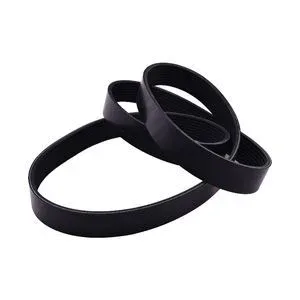
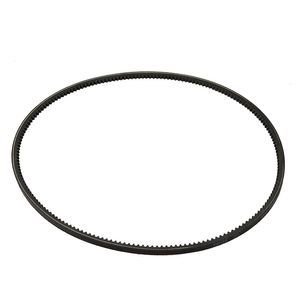
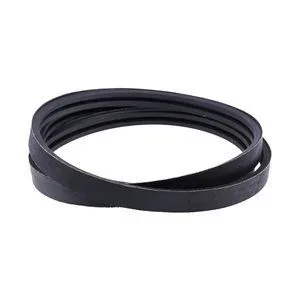
Matched Set Dispatch — This fan belt ships alongside verified tensioners and idler pulleys from one source, ensuring the New Holland loader belt drive system is addressed as a complete assembly rather than an isolated replacement.
Technical Specifications
| Parameter |
Value |
| Part Number |
84331239 |
| Product Type |
Belt |
| Cross-Reference |
84331239 (reference only) |
| Machine Fitment |
L221, L223, L225, L228, L230, C227, C232, C238 |
| Material |
EPDM rubber compound |
| Dimensional Tolerance |
±0.3 mm per ISO 4184 |
| Operational Cycle Resistance |
50,000+ cycles |
| Temperature Resistance |
>90°C engine bay operating temperature |
| Condition |
New Aftermarket |
| Warranty |
3–12 months against manufacturing defects |
| MOQ |
1 piece |
| Standards |
ISO 9001, ISO 4184, ISO 16949-aligned |
Application Suitability
| Engine System |
Related Components |
| Front Accessory Drive |
Tensioner assembly, idler pulley, alternator belt |
| Cooling Circuit |
Fan hub, water pump pulley, coolant seals |
| Engine Overhaul |
Overhaul gasket kit, front crankshaft seal |
| Scheduled Maintenance |
Belt drive inspection checklist, wear gauge |
Diagnosing Premature Belt Failure in the Engine Bay
The belt is rarely the root cause; it is the symptom of a failing accessory drive component.
When a workshop replaces a fan belt without inspecting the tensioner arm or the water pump bearing, the new component often fails within a standard service interval. I have seen loaders return to the shop repeatedly because the diagnosis stopped at the broken rubber. A system-level approach to the Fan Belt 84331239 engine belt drive system requires checking the alignment of every pulley on the front of the engine [NEED_CITE: engine accessory drive alignment and belt wear patterns]. If the tensioner cannot maintain constant pressure due to a weak spring or seized pivot, the new belt will slip and degrade rapidly under load.

Addressing the Entire Front-End Accessory Drive
This component sits at the center of the cooling and charging circuit on New Holland loaders. It transfers torque from the crankshaft to the fan and often the water pump. Treating the Fan Belt 84331239 engine belt drive system as a single item ignores the reality that the tensioner and idler pulleys have their own service lives. Sourcing the belt as part of a matched set ensures that the rubber profile and the mechanical tensioning components are both fresh and within specification.
Thermal Matching and Material Selection
The engine bay of a compact track loader like the L221 or L228 routinely exceeds the thermal threshold of standard rubber compounds. The EPDM rubber compound used in this aftermarket belt is selected specifically to handle these temperatures without hardening or cracking. This material choice prevents the micro-fractures that lead to sudden snaps during heavy digging or tramming cycles [NEED_CITE: EPDM thermal degradation properties in mobile equipment engine bays].
Interpreting the Tolerance and Cycle Data
The dimensional tolerance of ±0.3 mm per ISO 4184 is critical for multi-groove belts where even slight deviations cause uneven load distribution across the ribs. If one rib carries the majority of the torque, it wears faster and eventually fails. The 50,000+ cycle resistance rating indicates the flex-fatigue limit of the tensile cords inside the belt. This directly correlates to the service interval, meaning the belt is engineered to last through standard maintenance schedules when installed on a healthy pulley set.
The Cost of Ignoring Adjacent System Faults
Fitting a new belt on a worn tensioner leads to immediate slippage and glazing. The machine then overheats because the fan is not spinning at the commanded RPM. This secondary failure—the overheating—can damage the cylinder head or warp the block, turning a minor accessory drive job into a full engine overhaul. The cost of a matched tensioner is negligible compared to the downtime of a seized engine [NEED_CITE: coolant system overheating consequences in diesel loader engines].
Engineering Supply for Rebuild Shops
We maintain stock of the Fan Belt 84331239 engine belt drive system components alongside the tensioners and pulleys that share the same front-engine layout. Because we produce selected lines and source the rest from qualified ISO-certified partners under one warranty, a rebuild shop can order the complete accessory drive kit for a New Holland C232 or L230 without managing multiple vendors. Our technical team verifies the engine serial variant to ensure the correct length and rib count are dispatched.
Documentation & Verification
- Commercial invoice listing the belt and all associated tensioner components.
- Fitment sheet confirming compatibility with specific New Holland loader engine serials.
- Quality inspection record showing tensile test results and dimensional checks.
- Warranty terms covering manufacturing defects across the matched accessory set.
- Packing photographs documenting the kit completeness before crate sealing.
Installation & Rebuild Sequence
- Verify the EPDM belt ribs match the pulley grooves without play.
- Clean all pulley surfaces to remove oil or coolant contamination.
- Check tensioner arm travel and pivot smoothness before belt fitment.
- Torque fan hub and water pump bolts to prevent misalignment.
- Run the engine at idle to seat the belt before applying load.
System Quotation Requirements
To receive an accurate quotation for the complete accessory drive system, please provide the engine model and serial number from the data plate. If the machine has a history of repeated belt failures, include a description of the wear pattern or a photograph of the old component. This allows us to verify if a specific tensioner variant or a different pulley alignment is required for your application.
Frequently Asked Questions
Q: What other belt drive components should be replaced together with the fan belt?
A: We recommend replacing the tensioner assembly and inspecting all idler pulleys for bearing play. If the machine has high hours, the fan hub should also be checked for wobble. Sourcing these as a matched set from one supplier ensures the entire front-end accessory drive is refreshed, preventing immediate re-entry for related failures.
Q: Does my engine serial number affect which belt variant fits?
A: Yes. New Holland loaders often transition between engine generations within the same model designation, such as the L225. The serial number confirms the exact front-end accessory layout, pulley diameters, and belt length required. We verify this cross-reference before dispatch to ensure the belt fits without modification.
Q: Can I order a matched belt and tensioner set under one part number?
A: We provide a consolidated kit where the belt, tensioner, and idler are grouped under a single order line for your convenience. This simplifies receiving and inventory management for rebuild shops. The kit is warranted as a system, provided all components are installed together.
Q: What system-level fault causes premature belt failure even with a quality replacement?
A: Common root causes include a seized water pump bearing, a misaligned alternator bracket, or oil contamination from a leaking front crankshaft seal. Any of these faults will destroy a new belt rapidly. Our technical team can help identify the likely cause if you provide details of the previous failure.
Q: How do I confirm the correct belt for an engine that has been rebuilt before?
A: Previous rebuilds may have swapped the front cover or used non-standard pulleys. We require a photograph of the existing belt, the tensioner layout, and the engine serial plate. This allows us to cross-reference the actual hardware on your machine against our fitment database to ensure the correct component is supplied.