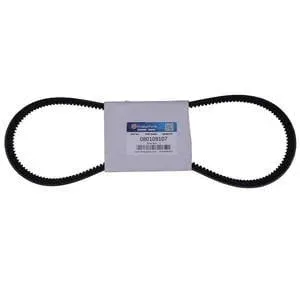
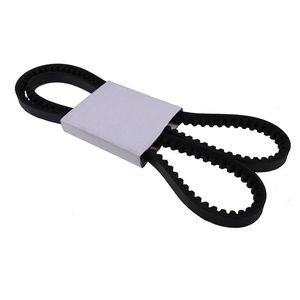
Engine Sequence Variant Confirmed — belt length and rib profile cross-checked against Bobcat S-series engine serial ranges before dispatch.
Technical Specifications
| Parameter |
Value |
| Part Number |
6718730 |
| Product Type |
Belt |
| Cross-Reference |
6718730 (reference only) |
| Machine Fitment |
Bobcat 5600, 773, S150, S160, S175, S185, S205, T180, T190 |
| Material |
EPDM (Ethylene Propylene Diene Monomer) |
| Tensile Cord |
Aramid-reinforced |
| Operating Temperature |
Up to 120°C |
| Groove Depth Tolerance |
±0.15 mm |
| Condition |
New Aftermarket |
| Warranty |
3–12 months against manufacturing defects |
| MOQ |
1 piece |
| Certification |
ISO 9001, ISO 14001 |
Application Suitability
| Engine System |
Related Components |
| Accessory Drive & Cooling |
Tensioner assembly, idler pulley, water pump |
| Thermal Management |
Thermostat, radiator hoses, coolant |
| Overhaul Sequence |
Front crankshaft seal, timing cover gasket set |
| Electrical Charging |
Alternator bracket alignment, mounting hardware |
The Root Cause That Makes a New Fan Belt 6718730 Engine Replacement Fail in Days
A belt swapped without checking the tensioner bearing or thermostat almost always brings the machine back.
In dusty quarry loading zones and demolition sites, I have seen skid steer loaders return to the workshop within a week of a belt change. The new rubber shows glazed edges and feathered ribs because the underlying fault — a seized idler or a worn tensioner arm — was never addressed. Rebuild shops that treat the Fan Belt 6718730 engine replacement as an isolated line item end up absorbing a second teardown [NEED_CITE: engine accessory drive diagnostic sequence for skid steer loaders]. The belt is the symptom; the system is the patient.

Where This Belt Sits in the Accessory Drive Train
The Fan Belt 6718730 engine replacement transmits crankshaft torque to the cooling fan, water pump, and alternator on Bobcat S150 through S205 skid steer loaders. When the belt slips or snaps, the cascade reaches far beyond the fan itself. Coolant stops circulating, cylinder head temperatures climb, and the head gasket becomes the next casualty. Engine rebuild shops need to see this component as part of a matched service set rather than a single wear item.
Engine Serial Variants and Why They Matter
Bobcat S-series machines evolved through several engine generations, and the same machine badge does not guarantee the same belt length. Early-build S175 units may carry a different crank-to-tensioner geometry than later Tier 4 builds. Confirming the engine serial number before ordering a Fan Belt 6718730 engine replacement prevents the situation where the belt rides too high on the pulley or bottoms out in the groove [NEED_CITE: Bobcat S-series engine serial variant identification procedures]. A mismatch measured in millimeters still produces accelerated rib wear and noise within the first fifty operating hours.
Reading the Spec Sheet for Real-World Heat and Dust
The EPDM compound handles ozone exposure and sustained bay temperatures that would crack standard neoprene within a single season. Aramid-reinforced tensile cords resist stretch under the torque spikes that occur when the cooling fan engages at high idle. Groove depth held to ±0.15 mm ensures the multi-ribbed profile seats fully without manual adjustment during installation. Operating temperature rated to 120°C provides margin above typical skid steer engine bay readings, where radiant heat from the exhaust manifold and turbocharger adds to the ambient load. These parameters together define how the belt behaves across a full shift in a quarry loading zone.
The Hidden Cost of Skipping the System Check
When a rebuild shop installs a new belt without inspecting the tensioner spring force or pulley bearing play, the replacement absorbs the misalignment within days. Feathered ribs, chirping at startup, and glazing on the belt face are the visible receipts of that skipped step. The machine returns under warranty, the shop absorbs labor twice, and the customer loses confidence [NEED_CITE: accessory drive belt premature failure root cause analysis]. Sourcing the belt alongside a tensioner inspection record and matched pulley set converts a repeat visit into a single, documented service event.
Why Rebuild Shops Source This Belt Here
Production lines and qualified partner facilities both operate under one warranty account, so a belt and its companion tensioner carry identical quality terms. Eight component categories ship under a single invoice, allowing a complete cooling system service to consolidate into one consignment. Orders start at one piece for emergency single-machine repairs. Guangzhou warehouse stock enables same-day dispatch on common Bobcat belt drive items. Part identification works from a worn number, a machine model, or a photograph of the engine nameplate. Cross-reference verification covers superseded and alternate numbers so the correct length ships on the first attempt [NEED_CITE: aftermarket belt cross-reference validation standards]. A sample can be dispatched for fitment confirmation before the shop commits to a bulk overhaul kit order.
Documentation & Verification
- Commercial invoice listing each belt drive component with individual part traceability
- Compatibility sheet cross-referencing 6718730 (reference only) against superseded numbers
- Dimensional inspection record confirming groove depth within ±0.15 mm tolerance
- Warranty terms covering material defects and dimensional non-conformance
- Packing photographs showing retail box foam lining before crate closure
- HS code and customs documentation support for international engine parts shipments
Installation & Rebuild Sequence
- Inspect tensioner arm pivot and idler bearing play before routing the new belt
- Clean all pulley grooves with solvent to remove embedded rubber and debris
- Verify alternator bracket alignment to prevent lateral belt tracking forces
- Apply specified torque to tensioner mounting fasteners after belt seating
- Run engine at idle for initial seating, then check rib engagement visually
- Re-check tension after first thermal cycle as EPDM conforms to pulley geometry
Start the Compatibility Conversation
Provide the engine serial number, machine model, and any previous overhaul records so the correct belt length and rib count can be confirmed against your specific Bobcat build. If the nameplate is illegible, a photograph of the old belt and adjacent pulleys is enough to begin identification.
Frequently Asked Questions
Q: What other engine components should be inspected when changing this belt?
A: Check the tensioner arm spring force, idler pulley bearing play, and water pump shaft for axial movement. A worn tensioner or misaligned alternator bracket will cause the new belt to wear prematurely. Replacing the belt as part of a matched cooling system service set prevents the machine from returning with the same symptom within weeks.
Q: Does my Bobcat S-series engine use the same belt length as earlier builds?
A: Not necessarily. Bobcat S-series machines transitioned through engine generations that altered pulley spacing. Confirming the engine serial number ensures the correct belt length is shipped. Provide your engine serial or a photograph of the existing belt routing for verification before ordering.
Q: Can I order this belt as part of a complete cooling system kit?
A: Yes. This belt ships alongside matched tensioners, thermostat assemblies, and gasket sets under a single consignment. Consolidating the entire cooling system service into one order eliminates split freight and ensures all components arrive ready for a single teardown event.
Q: How do I confirm the correct belt when the nameplate is worn?
A: Send a photograph of the old belt, the pulley arrangement, and any visible casting numbers on the engine block. The technical team cross-references these details against machine build records to identify the correct length and rib profile before dispatch.