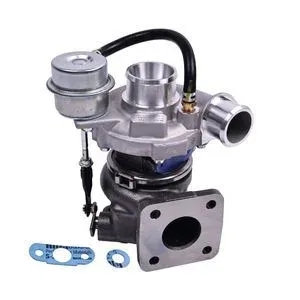
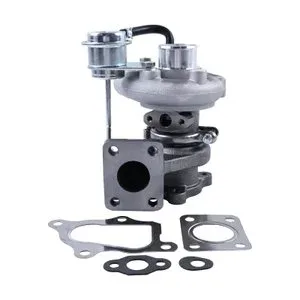
System-Matched Rebuild Components — GT1241Z turbocharger 7030304 verified against Doosan D24 engine serial variants before dispatch to prevent grade mismatch during overhaul.
Technical Specifications
| Parameter |
Value |
| Part Number |
7030304 |
| Product Type |
Turbocharger |
| Turbo Model |
GT1241Z |
| Cross-Reference |
150105-00044, 795787-0003, 795787-0007, 795787-0016, 795787-5003S, 795787-5007S, 795787-5016S, 150105-00044A/C/D/H (for identification purposes only) |
| Engine Fitment |
Doosan D24 engine |
| Machine Fitment |
Bobcat E42, E45, E50, E55, E85, S510, S530, S550, S570, S590, S595, S630, S650, T450, T550, T590, T595, T630, T650, Toolcat 5600, 5610 |
| Condition |
New Aftermarket |
| Quality Standard |
ISO 9001 |
| Warranty |
3–12 months against manufacturing defects |
Application Suitability
| Engine System |
Related Components |
| Intake and forced induction |
Turbo mounting gaskets, oil feed and drain lines, air filter element |
| Lubrication circuit feeding turbo bearings |
Oil filter, engine oil meeting Doosan D24 specification, oil cooler seals |
| Emission and exhaust path |
Exhaust manifold gasket, clamps, heat shield hardware |
| Engine overhaul kit contents |
Piston rings, bearing shells, cylinder head gasket set matched to rebuild grade |
Why a GT1241Z Turbocharger Fails Again Within Weeks After Replacement
A new turbo is only as reliable as the system that feeds it — oil coking, restricted drain lines, and contaminated intake air destroy replacement units before the first service interval.
In the Pearl River Delta workshop environment, I have pulled turbochargers off Doosan D24 platforms that lasted barely past the break-in period. The root cause was never the turbo itself [NEED_CITE: common turbocharger failure modes in compact diesel engines]. Contaminated oil from a degraded filter, a partially blocked drain line creating back-pressure on the bearing housing, or an intake leak drawing unfiltered air through the compressor side — any one of these will take out a fresh unit. Rebuild shops that swap the turbo without tracing the failure upstream end up facing the same machine on the same bench within months. The GT1241Z turbocharger engine rebuild replacement must be treated as a system-level intervention, not a single-component swap.

The Intake and Exhaust System Around Your Doosan D24
This turbocharger sits at the junction of three engine systems: the lubrication circuit that feeds its floating bearings, the intake path that delivers filtered air to the compressor, and the exhaust side that drives the turbine. When a Doosan D24 comes in for overhaul, the GT1241Z turbocharger engine rebuild replacement is one line item in a longer list. The oil feed line may have accumulated carbon deposits that restrict flow at high RPM. The drain line may be partially collapsed from heat exposure. Both need inspection and likely replacement alongside the turbo. Matching the turbo to the correct engine serial variant is equally important — Doosan D24 configurations differ across emission tiers, and the wrong variant will either not physically mount or will produce incorrect boost pressure for the engine calibration.
Engine Serial Variants and Rebuild History Determine the Correct Configuration
The Doosan D24 engine family has evolved across production runs, and turbo configurations have shifted with emission tier changes and internal component revisions. A machine that has been through a prior rebuild may have non-standard bearing clearances or machined surfaces that affect how the turbo interfaces with the oil feed system [NEED_CITE: engine rebuild grade tolerances for compact diesel turbochargers]. Before ordering the GT1241Z turbocharger engine rebuild replacement, confirm the engine serial number and any recorded overhaul history. If the crankshaft was ground to an oversize during a previous rebuild, the oil pressure characteristics at the turbo bearing feed may differ from a standard engine build. This affects which oil feed line restriction orifice is appropriate and whether the standard drain line diameter remains adequate. Getting these details wrong does not cause immediate failure — it causes gradual bearing wear that shows up as shaft play and eventual seal leakage hundreds of hours later.
Reading the Specifications That Matter for Rebuild Planning
The GT1241Z turbo model designation indicates the compressor and turbine wheel geometry, which directly determines the boost curve the unit delivers across the Doosan D24 operating range. This geometry must match the engine's fuel mapping and emission configuration — fitting a turbo with a different trim or A/R ratio will produce either over-boost conditions that stress pistons or under-boost conditions that cause excessive exhaust gas temperatures. The ISO 9001 manufacturing standard means the bearing housing bore, shaft diameter, and wheel balance fall within controlled tolerances. For a rebuild shop, this consistency matters because it means the turbo will behave predictably when paired with standard-grade engine bearings and factory-specification oil pumps. The 3–12 month warranty against manufacturing defects covers dimensional and material issues but does not extend to failures caused by upstream contamination — which is precisely why the supporting system components need attention during installation.
The Hidden Cost of Skipping the System Check
Replacing a turbo without addressing the cause of the previous failure creates a cycle of repeat teardowns. Each rebuild of a Doosan D24 that requires pulling the turbo again means new gasket sets, fresh engine oil, additional labor hours on the bench, and a machine that generates no revenue while it sits in the shop [NEED_CITE: total cost of repeat engine overhaul events in compact equipment]. Beyond the direct parts cost, the shop absorbs reputation damage with the equipment owner. A turbo failure traced to oil contamination points back to a maintenance practice problem — perhaps extended oil drain intervals, incorrect filter specification, or a cracked oil cooler that is introducing coolant into the lubrication circuit. Missing that diagnosis means the next GT1241Z turbocharger engine rebuild replacement will face the same hostile operating conditions.
Why Rebuild Shops Source This Component Through XUNPO
Own production lines and qualified sourced supply operate under one account and one warranty framework, so the turbocharger and its associated gaskets and seal kits arrive with consistent quality documentation. Eight product categories mean the complete Doosan D24 overhaul kit — pistons, bearings, gaskets, filters, and turbo — ships as one consignment rather than five separate deliveries. Single-piece minimum order means you can pull one turbo for a specific job without committing to shelf stock. Part identification works from the engine serial number, a photograph of the existing unit, or the machine model plate when the turbo nameplate is illegible. Cross-reference verification covers the superseded numbers across the 795787 and 150105 series so you receive a unit that physically fits and functionally matches. Sample supply is available for fitment confirmation before you commit to stocking quantities for your D24 fleet.
Documentation & Verification
- Commercial invoice and packing list itemizing turbocharger 7030304 with cross-reference numbers marked reference only
- Part compatibility sheet confirming GT1241Z match to specific Doosan D24 engine serial range
- Quality inspection record including rotor balance test and bearing clearance measurement
- Warranty terms document covering manufacturing defects for 3–12 months from dispatch
- Packing photographs showing anti-static foam and moisture-proof inner lining condition at time of shipment
- HS code and customs documentation support for cross-border shipment
Installation & Rebuild Sequence
- Verify oil feed and drain line internal diameter matches GT1241Z bearing housing port specifications before assembly
- Prime the turbo bearing housing with clean engine oil before first cranking to prevent dry-start bearing damage
- Torque turbo mounting nuts to Doosan D24 specification and recheck after initial heat cycle
- Install new air filter element and verify all intake connections are sealed to prevent unfiltered air ingestion
- Run the engine at idle for a break-in period and check for oil weepage at drain flange and boost pressure stability
- Confirm no exhaust leaks at manifold-to-turbine flange joint after the first full operating temperature cycle
Preparing Your Inquiry for Accurate Turbo Matching
Provide the Doosan D24 engine serial number and any records of prior overhaul work so we can confirm the correct GT1241Z variant and matching component grades. If the existing turbo nameplate is readable, include a photograph of it along with the engine build plate. For shops planning multi-engine rebuild programs, share the equipment list with machine hours and rebuild history so we can consolidate turbochargers and associated seal kits into a single matched shipment.
Frequently Asked Questions
Q: What other components should be replaced when installing a new turbo on a Doosan D24?
A: Replace the turbo mounting gaskets, oil feed line, drain line, air filter element, and oil filter as a minimum. If the turbo failed from oil contamination, inspect the oil cooler for internal leaks. During a full engine overhaul, coordinate the turbo installation with matched piston rings and bearing shells so the entire system operates at consistent tolerances.
Q: How do I confirm the correct GT1241Z turbo for my specific Doosan D24 engine serial?
A: Provide the engine serial number and emission tier designation from the engine data plate. Doosan D24 variants differ in turbo configuration across production runs. We cross-reference the serial against the 795787 and 150105 number series to confirm which variant fits your specific engine build, including any prior rebuild modifications.
Q: What caused my previous turbo to fail, and how do I prevent recurrence?
A: Common root causes include oil contamination from degraded filters, restricted drain lines creating back-pressure, and unfiltered intake air from leaking connections. Inspect the full lubrication and intake circuit during teardown. Replacing the turbo without addressing the upstream fault leads to repeat failure within the same operating season.
Q: Are there different turbo variants for different D24 emission configurations?
A: Yes. Doosan D24 engines across different emission tiers use turbo configurations with varying compressor geometry and boost characteristics. Fitting the wrong variant produces incorrect air-fuel ratios that stress engine internals. We verify the correct match against your engine serial before dispatch to avoid this mismatch.
Q: Can I get a sample turbo to verify fitment before committing to a bulk order?
A: Sample supply is available for fitment confirmation on your specific Doosan D24 engine variant. This lets your rebuild team verify mounting pattern, oil port alignment, and drain flange interface before you place a larger stocking order for fleet-level overhaul programs.