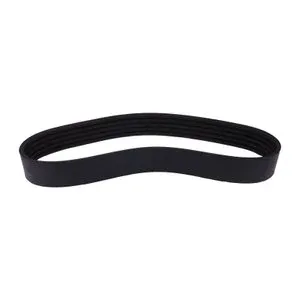
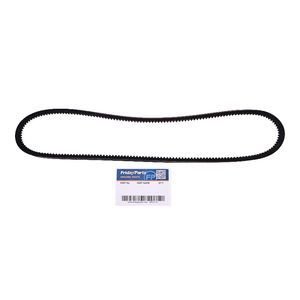
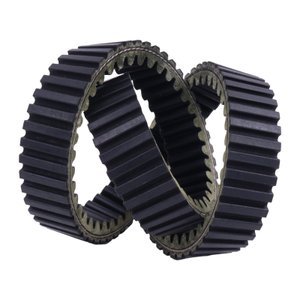
Matched Set Shipped — Drive belt and adjacent tensioner or pulley components verified against your engine serial before dispatch.
Technical Specifications
| Parameter |
Value |
| Part Number |
153263001 |
| Product Type |
Belt |
| Cross-Reference |
265-776, 265776 (reference only) |
| Machine Fitment |
BC1000XL |
| Brand Compatibility |
Vermeer |
| Material |
EPDM rubber compound with high-tensile polyester-cord reinforcement |
| Temperature Range |
–40°C to +120°C |
| Dimensional Tolerance |
±0.3 mm |
| Condition |
New Aftermarket |
| Warranty |
6 months against manufacturing defects |
| MOQ |
1 piece |
| Standard |
ISO 9001 |
Application Suitability
| Engine System |
Related Components |
| Engine-to-drum power transmission |
Pulleys, tensioners, alignment brackets |
| Primary belt drive circuit |
Adjacent seals, fasteners, drive guards |
| Scheduled engine-side maintenance |
Overhaul gasket sets, bearing shells |
Why the Belt Fails Before Its Time — And What the Engine Serial Tells You
A new belt that snaps early almost always points to a worn tensioner, a misaligned pulley, or an engine build variant that demands a different length.
In the Shandong workshop belt I grew up around, I watched a Vermeer BC1000XL come back twice within one month for the same drive belt replacement. The first time, only the belt was swapped. The second time, we pulled the tensioner and found the bearing inside it had seized, putting lateral load on every new belt that passed over it. The Drive Belt 153263001 engine system replacement is not a standalone fix — it is one link in a chain of components that share load, heat, and wear [NEED_CITE: belt drive system failure root cause analysis for mobile chippers].
Engine serial variants matter here too. The BC1000XL has been produced across several build generations, and pulley diameters or tensioner arm lengths have shifted between them. Ordering a Drive Belt 153263001 engine system replacement without confirming which engine generation sits in your machine risks receiving a belt that is dimensionally correct for the catalog but wrong for the actual drive path.

Where This Belt Sits in the BC1000XL Drive System
The belt routes power from the engine crankshaft pulley to the drum drive circuit, meaning it handles continuous load under the vibration and shock typical of wood chipping. When the belt fails, the entire chipper stops — not just one function, but the machine's core output. Replacing it in isolation ignores every other component in that load path.
What the Drive Path Demands Before a New Belt Goes On
Before fitting a Drive Belt 153263001 engine system replacement, check the tensioner arm for free movement and the tensioner bearing for smooth rotation. Inspect each pulley face for glazing, groove wear, or lateral runout. Misalignment as small as a fraction of a degree accelerates edge wear on EPDM belts significantly [NEED_CITE: pulley alignment tolerance standards for industrial V-belt drives]. Confirm that the engine mounting bolts are torqued to specification — a shifted engine block alters the entire belt geometry.
Reading the Specs That Actually Matter in the Field
The EPDM rubber compound resists heat buildup, oil mist, ozone, and UV exposure across the –40°C to +120°C range, which matters when the belt runs inside a guarded drive housing where ambient temperatures climb during continuous chipping shifts. The polyester-cord reinforcement provides tensile stability so the belt does not stretch beyond its pitch length under sustained load. The ±0.3 mm dimensional tolerance ensures the belt seats correctly in the pulley grooves without riding too high (causing slip and heat) or too deep (causing sidewall abrasion). These three factors together determine whether a Drive Belt 153263001 engine system replacement lasts through a full chipping season or fails during the first week.
The Hidden Cost of Ignoring the Adjacent Components
I once saw a fleet operator replace belts repeatedly on a BC1000XL, each time blaming the belt supplier, while the real fault was a worn tensioner that no one had pulled from the machine. The cumulative cost of five premature belt changes, each requiring a machine stoppage and labor hours, far exceeded what a single tensioner replacement would have cost at the first sign of trouble [NEED_CITE: total cost of repeat belt failures versus matched component replacement]. When the root cause is not addressed, every new belt enters service already compromised.
Why This Is the Right Source for the Drive Belt 153263001
We run our own production on selected belt lines and source the remainder from ISO-certified partners, all under one account and one six-month warranty — no mixed terms between self-produced and sourced supply. Our catalog covers eight categories, so the belt, tensioner, pulley, and seals for a complete BC1000XL drive job ship in a single consignment from our Guangzhou warehouse. We accept orders from one piece upward, which matters when a machine is already down. Our technical team cross-references part numbers against machine model, serial prefix, and engine build variant before confirming the order, and we can supply a sample belt for fitment confirmation before you commit to a bulk quantity for your fleet or distribution stock.
Documentation & Verification
- Commercial invoice and packing list listing each belt by verified part number
- Compatibility and cross-reference sheet showing 265-776 interchange (reference only)
- Quality inspection record with tension test and flex-cycle results
- Six-month warranty terms covering manufacturing defects
- Packing photographs taken before carton closure
- HS code and customs documentation support for export clearance
Installation & Rebuild Sequence
- Clean all pulley grooves thoroughly before routing the new EPDM belt to prevent debris-induced groove wear
- Verify tensioner bearing rotation and arm travel before applying tension to the replacement belt
- Check alignment between crankshaft pulley and driven pulley using a straightedge across both faces
- Run the chipper at idle for initial bedding, then inspect belt seating and recheck tension after the first hour of operation
Send Us the Details That Confirm the Right Belt
Provide your BC1000XL engine model and serial number, along with any previous rebuild history that may have changed pulley sizes or tensioner configuration. If the nameplate is unreadable, a photograph of the old belt and adjacent drive components helps us verify the correct variant before shipping.
Frequently Asked Questions
Q: What other drive-system parts should I inspect or replace along with this belt?
A: Pull the tensioner and check its bearing for smooth rotation and the arm for free movement. Inspect every pulley face for glazing or groove wear. Adjacent crankshaft seals should be checked for leaks that could contaminate the belt surface. Ordering these together with your Drive Belt 153263001 engine system replacement avoids a second stoppage within weeks.
Q: How do I confirm the correct belt variant for my BC1000XL engine serial?
A: The BC1000XL has been built across several engine generations with possible pulley or tensioner changes. Share your engine serial prefix and build year so we can cross-reference the correct belt length and profile. A photograph of the existing belt and pulleys helps when the nameplate is worn or missing.
Q: Why did my previous belt fail early, and what system-level cause should I check?
A: Early belt failure commonly traces to a seized tensioner bearing, a shifted engine mount altering alignment, or a pulley with worn grooves causing slip and heat. Addressing only the belt without diagnosing these system-level faults means the next belt will face the same conditions and fail the same way.
Q: Can I order pulleys, tensioners, and seals together in one consignment?
A: Yes. We supply matched drive-system components under one account with one warranty, so your entire belt drive job list ships as a single consignment from our Guangzhou warehouse. This eliminates split freight and mismatched arrival times from multiple suppliers.
Q: How do I verify the cross-reference numbers match my engine build?
A: We cross-reference OEM numbers such as 265-776 (reference only) against your specific engine serial and service manual data, not generic online tables where errors carry forward. Our technical team confirms the match before your order ships.