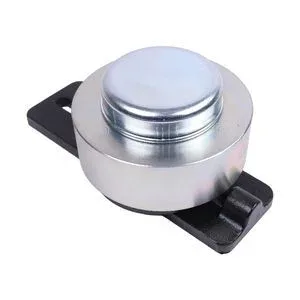
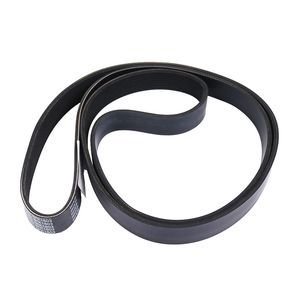
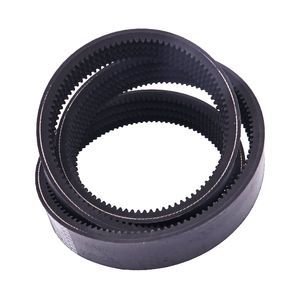
Engine Serial Variants Confirmed — Every 6735884 belt tensioner pulley ships only after cross-checking your specific engine build sheet against known variant differences across Bobcat loader production runs.
Technical Specifications
| Parameter |
Value |
| Part Number |
6735884 |
| Cross-Reference |
6711698 (reference only) |
| Product Type |
Belt Tensioner |
| Machine Fitment |
653, 751, 753, 763, 773, 7753 Skid Steer Loader |
| Brand Compatibility |
Designed to replace components in Bobcat skid steer loaders |
| Operating Temperature |
-20°C to 100°C |
| Condition |
New Aftermarket |
| Quality Standard |
ISO 9001 |
| Warranty |
3-12 Month |
Application Suitability
| Engine System |
Related Components |
| Belt Drive — Accessory Drive |
Drive belt, alternator pulley, water pump pulley |
| Belt Drive — Cooling Fan Circuit |
Fan belt, fan hub assembly, idler pulley |
| Engine Overhaul — Front Cover Area |
Front seal, gasket set, timing cover hardware |
| Preventive Maintenance — High-Cycle Loader |
Matched belt set, adjacent idler bearings |
When a Tensioner Fails but the Root Cause Stays on the Bench
Replacing a shredded belt and a seized Drive Belt Tensioner Pulley engine rebuild replacement unit without tracing the fault upstream often leads to a repeat teardown within weeks. The tensioner rarely fails in isolation — misaligned brackets, worn adjacent pulleys, or incorrect belt routing place side loads that destroy the new bearing just as fast.
In the field across Southeast Asian job sites, I have seen rebuild shops swap the tensioner, fire up the engine, and call it done. The loader returns to the bench with the same symptom before the next scheduled service [NEED_CITE: common root causes of premature belt tensioner failure in skid steer loaders]. The belt drive system in these Bobcat machines is compact, and every pulley shares load through a single belt path. One worn groove on the alternator pulley or a slightly bent mounting bracket transfers vibration directly into the tensioner bearing. Addressing only the failed part ignores the system dynamics that killed it in the first place.

How the Tensioner Fits Inside the Bobcat Belt Drive Ecosystem
The Drive Belt Tensioner Pulley engine rebuild replacement assembly operates at the center of the accessory drive circuit, maintaining constant belt tension as the engine cycles through load changes. On Bobcat 753 and 763 loaders, the belt wraps around the crankshaft pulley, water pump, alternator, and fan hub in a single continuous path. The tensioner pulley compensates for belt stretch and thermal expansion, and its bearing must handle both radial load from belt tension and axial load from minor misalignment. When planning an engine overhaul or front-cover service, this component should be evaluated alongside every other pulley in the belt path.
Why the Same Part Number Can Ship in Different Configurations
Bobcat produced the 751, 753, and 773 across several engine generations, and the belt drive layout shifted between production runs. The mounting bolt pattern, pulley offset, and bearing specification can differ even when the reference number 6735884 (cross-reference only) appears in multiple parts books [NEED_CITE: Bobcat skid steer loader engine serial variant identification practices]. Sending a machine model alone is not enough — the engine serial number narrows down which tensioner variant actually fits. I once had a machine sitting on the bench for three extra days because the standard-variant tensioner arrived with bolt holes offset by several millimeters from the bracket on that particular engine build. Confirming the serial range before dispatch eliminates that kind of delay.
Reading the Specifications That Matter for Belt Drive Rebuilds
The operating temperature range of -20°C to 100°C reflects the thermal envelope the sealed bearing must survive inside a loader engine bay, where ambient dust and radiant heat from the exhaust manifold combine to degrade lubrication. The sealed bearing unit prevents dirt and moisture ingress — the most common root cause of premature tensioner failure in the dusty environments where skid steer loaders typically work. Pulley groove geometry is machined to maintain belt alignment; even minor deviation causes the belt to track to one side, accelerating wear on both the belt and the pulley flange. The ISO 9001 quality standard applied during manufacturing covers bearing rotation resistance and dynamic tension testing on each unit before it leaves the production line.
The Cost of Skipping the System-Level Diagnosis
When a shop installs a new tensioner without checking bracket alignment, adjacent pulley condition, and belt routing, the new bearing inherits the same destructive loads that killed the old one [NEED_CITE: belt drive system diagnostic procedures for compact loader engines]. The result is a second teardown, a second set of gaskets, and another round of labor hours — all charged against a repair that should have been done once. In high-cycle loader operations such as material handling yards and construction sites, that repeat failure means the machine is off the job for days rather than hours. The hidden cost is not the tensioner itself but the compounded downtime and the credibility loss with the equipment owner.
Why Engine Rebuild Shops Source This Tensioner Here
Our own production lines and qualified sourced supply operate under a single account and one warranty, so whether this tensioner comes from our facility or a certified partner, the QC terms are identical. Eight product categories mean the matched belt, front seal, and gasket set ship in the same consignment — no second order, no split freight. Minimum order starts at one piece for emergency teardowns, yet volume pricing applies when stocking for fleet overhaul programs. Our technical team confirms the correct tensioner variant against your engine serial number before dispatch, and cross-reference verification covers superseded and alternate numbers including 6711698 (for identification purposes). Sample supply is available for fitment confirmation before you commit to bulk quantities.
Documentation & Verification
- Commercial invoice listing each tensioner variant by confirmed engine serial match
- Cross-reference sheet mapping 6735884 and 6711698 with reference-only notation
- Dimensional inspection record covering bolt pattern, pulley offset, and bearing play
- Warranty terms covering manufacturing defects for the full tensioner assembly
- Packing photographs showing tensioner units secured against transit damage
- HS code and customs documentation for cross-border engine parts shipments
Installation & Rebuild Sequence
- Clean the mounting bracket surface and verify flatness before seating the new tensioner to prevent side-load on the bearing
- Torque mounting bolts to engine manual specification — over-tightening distorts the bracket and misaligns the pulley groove
- Route the new belt per the factory diagram and check that the tensioner arm moves freely through its full travel arc
- Inspect every adjacent pulley for groove wear and axial play before closing the front cover
- Run the engine at idle for initial break-in and listen for belt chirp indicating residual misalignment
What We Need to Quote the Right Tensioner for Your Engine
Send the engine serial number and the specific Bobcat loader model — the serial number is what determines which tensioner variant fits your belt drive layout. If the nameplate is worn or painted over, a photograph of the old tensioner alongside the mounting bracket lets our technical team verify bolt pattern and pulley offset. For overhaul programs covering multiple machines, share the full engine list so we can consolidate variants and matched belt sets into a single shipment.
Frequently Asked Questions
Q: What other belt drive components should be replaced along with the tensioner pulley?
A: The drive belt is the minimum companion replacement. We also recommend inspecting the alternator pulley, water pump pulley, and any idler pulleys in the belt path for groove wear and bearing play. Replacing the tensioner and belt as a matched set, while reusing only verified-good adjacent pulleys, prevents early comeback failures traced to a single worn component elsewhere in the circuit.
Q: How do I confirm the correct tensioner variant for my specific engine serial number?
A: Provide the full engine serial number from the nameplate or build tag. Our technical team cross-references it against known production variants for Bobcat 653, 751, 753, 763, 773, and 7753 loaders, verifying bolt pattern, pulley offset, and bearing specification before confirming the correct part. A photo of the old unit and bracket accelerates the process.
Q: Can a failed tensioner cause secondary damage to the water pump or alternator?
A: Yes. A seized tensioner bearing can throw the belt off its path, causing the belt to shred or jump grooves. When the belt loses drive, the water pump stops circulating coolant and the alternator stops charging. Overheating and electrical system failure follow quickly, turning a single-component repair into a multi-system teardown if the machine continues to run.
Q: What inspection steps should be taken before installing the new tensioner?
A: Verify the mounting bracket is flat and undamaged. Check all adjacent pulleys for axial play and groove wear. Confirm belt routing against the factory diagram. After installation, rotate the tensioner arm through its full travel to confirm smooth movement and proper spring return before routing the new belt and starting the engine.
Q: Is the drive belt included or should it be ordered separately?
A: The tensioner pulley assembly is supplied as a standalone unit. The drive belt must be ordered separately, and we recommend sourcing both together so they ship in one consignment. Providing your machine model and engine serial number allows us to pair the correct belt specification with the confirmed tensioner variant for your engine build.