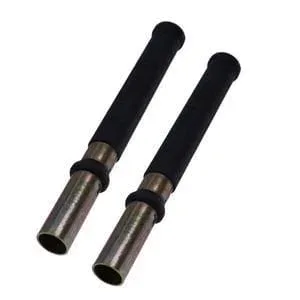
Matched Set Dispatch — every oil cooler plug ships with verified cross-reference validation against your engine serial number.
Technical Specifications
| Parameter |
Value |
| Part Number |
04179404 |
| Product Type |
Oil Cooler Pipe Plug |
| Cross-Reference |
04178036, 4179404, 4178036 (reference only) |
| Machine Fitment |
DL2011, BFL2011, BFL1011, 1011, 2011 |
| Brand Compatibility |
Deutz |
| Material |
Forged Carbon Steel (A105 grade) |
| Seat Design |
60° tapered seat |
| Thread Tolerance |
DIN 2999 (±0.05 mm) |
| Pressure Rating |
15 bar pre-shipment test |
| Operating Temperature Range |
–20°C to +120°C |
| Salt-Spray Resistance |
720 hours |
| Surface Treatment |
ISO 8502-3 Class Sa2.5 |
| Condition |
New Aftermarket |
| Warranty |
3–12 months against manufacturing defects |
| MOQ |
1 piece |
Application Suitability
| Engine System |
Related Components |
| Lubrication & Cooling (Oil Cooler Circuit) |
Oil cooler core assembly, cooler gaskets, sealing washers |
| Crankcase Pressure Management |
Breather valves, oil filter housing seals, block plugs |
| Coolant Flow Regulation |
Thermostat housing seals, water pump gaskets, coolant plugs |
| Main Bearing Protection |
Oil gallery plugs, pressure relief valves, bearing shell sets |
Why Rebuilds Fail Weeks After Leaving the Bench
A replaced Oil Cooler Pipe Plug that fails again usually points to an unresolved system fault, not the plug itself.
In my previous role sourcing for a fleet workshop in the Yangtze River Delta industrial belt, I watched a Deutz BFL2011 come back on the stand after a fresh overhaul. The Oil Cooler Pipe Plug we had specified leaked coolant into the oil gallery within the first operating cycle. The root cause was not the plug. Coolant circuit pressure was running outside specification due to a restriction downstream, and the plug was simply the weakest seal in that loop. Rebuild shops frequently encounter this pattern: the failed component gets swapped while the systemic condition that destroyed it remains active [NEED_CITE: cooling system pressure diagnostic procedures for industrial diesel engines]. Correct lubrication and cooling system repair requires reading the failure signature before writing the parts list. An oil cooler pipe plug designed to replace OEM reference 04179404 functions correctly only when the surrounding circuit is also verified.

The Plug's Position Within the Deutz 2011 Lubrication Circuit
The oil cooler circuit on DL2011 and BFL2011 engines routes pressurized oil through a heat exchanger before it returns to the main gallery. This Oil Cooler Pipe Plug seals a junction point in that circuit where pipe connections interface with the cooler housing. During an engine rebuild, this junction is exposed and reassembled alongside the cooler core, associated gaskets, and sealing washers. Every oil cooler pipe plug engine rebuild order must account for these adjacent sealing surfaces, because a new plug torqued against a worn gasket face will not hold. The system operates as a matched sealing assembly.
Reading the Failure History Before Ordering Replacement Components
Engine serial variants across the Deutz 1011 and 2011 family carry different oil cooler assembly configurations, which affects plug thread engagement depth and seat geometry. A BFL1011 that has been through a prior rebuild may already be running oversize bearing shells or non-standard gallery fittings installed by the previous workshop. Confirming the exact engine build state — including any modification history — prevents ordering a standard Oil Cooler Pipe Plug into a circuit that now requires a different sealing interface [NEED_CITE: Deutz engine serial variant identification for lubrication components]. When I transitioned from buyer-side procurement to assembly-level engineering, the single most valuable shift was learning to ask what happened to this engine before it arrived on the bench. That question determines which variant of a component actually fits.
What the Material and Tolerance Specifications Mean in Practice
Forged carbon steel at A105 grade provides the grain structure needed to withstand repeated thermal cycling in the oil cooler zone, where temperature swings from cold start to full operating load create expansion stress at every threaded junction. The 60° tapered seat delivers metal-to-metal sealing without requiring anaerobic adhesive, which simplifies installation and avoids adhesive degradation at elevated oil temperatures. Thread tolerance held to DIN 2999 standard ensures this plug engages the oil cooler housing without cross-threading or requiring excessive torque that could distort the housing bore. The 15 bar pre-shipment pressure test confirms sealing integrity above normal lubrication circuit operating pressure, providing a margin that catches manufacturing defects before the plug reaches the rebuild bay. Salt-spray resistance at 720 hours indicates surface treatment quality sufficient for marine auxiliary and quarry environments where corrosion accelerates seal face degradation [NEED_CITE: surface treatment standards for diesel engine lubrication fittings].
The Cost of Installing Without System-Level Verification
Replacing the plug without investigating the failure that destroyed the previous one invites a repeat teardown. Coolant contamination in the oil gallery degrades main bearing surfaces rapidly, and an engine that runs even a short period with diluted oil accumulates bearing damage that will surface later as knock or pressure loss. The second teardown costs more than the first because damage has now propagated beyond the oil cooler circuit into the bottom end [NEED_CITE: coolant-oil contamination effects on diesel engine bearing surfaces]. A plug that seals correctly in isolation still fails if coolant circuit pressure, oil gallery condition, or adjacent gasket faces are outside specification. The hidden cost is not the plug itself — it is the labor of pulling the engine down again.
Why Rebuild Shops Source This Component Through Our Account
Our production lines and qualified sourcing partners operate under a single quality and warranty framework, so whether this Oil Cooler Pipe Plug comes from our own facility or a certified partner, it carries identical inspection standards and warranty terms. We stock across eight engine component categories, meaning the oil cooler plugs, sealing washers, cooler gaskets, and bearing sets for your overhaul all consolidate under one account and one shipment. Minimum order starts at one piece, supporting single-engine emergency repairs without forcing bulk commitment. The Guangzhou warehouse holds common Deutz lubrication items for fast dispatch, while technical staff verify engine serial variants and cross-reference superseded numbers before anything ships. Sample supply is available for fitment confirmation on your bench before you commit to a full production batch.
Documentation & Verification
- Commercial invoice listing Oil Cooler Pipe Plug with engine serial cross-reference noted
- Compatibility sheet marking OEM numbers 04179404 and 04178036 as reference only
- Dimensional inspection record covering thread tolerance and seat angle per batch
- Warranty terms covering manufacturing defects across the 3–12 month range
- Packing photographs showing individual protective cushioning before carton sealing
- HS code classification and customs documentation for lubrication system components
Installation & Rebuild Sequence
- Clean oil cooler housing bore and inspect sealing face for scoring before plug insertion
- Verify thread engagement depth matches engine serial variant specification
- Torque plug to housing using calibrated tool, avoiding over-torque that distorts bore
- Pressure-test complete oil cooler circuit after assembly to confirm junction integrity
- Run initial break-in cycle and re-check plug seat for weeping at operating temperature
- Replace adjacent cooler gaskets and sealing washers as a matched set during this service
Preparing Your Inquiry
To confirm the correct Oil Cooler Pipe Plug variant for your overhaul, provide the Deutz engine model, serial number, and any known rebuild history. If the engine has been through previous workshop intervention, note any non-standard components or oversize fittings already installed. This information allows us to verify the lubrication circuit configuration and supply components that match your actual engine build state.
Frequently Asked Questions
Q: What other lubrication and cooling components should be replaced together during oil cooler service?
A: During oil cooler circuit service on Deutz 2011 series engines, the cooler core gaskets, sealing washers at pipe junctions, and oil filter housing seals should be replaced as a matched set. Reusing aged seals alongside a new Oil Cooler Pipe Plug creates mismatched compression states that compromise the entire circuit. We consolidate all these items into a single shipment.
Q: How do I confirm the correct oil cooler plug variant for my specific Deutz engine serial number?
A: Engine serial numbers within the DL2011 and BFL2011 range correspond to specific oil cooler assembly configurations. Provide your engine serial number and any known rebuild history so our technical team can verify thread engagement depth and seat geometry against your actual engine build, ensuring the plug supplied matches your specific variant.
Q: Can I order a matched set of oil cooler plugs, seals, and gaskets in one shipment?
A: Yes. Our eight-category inventory covers the full Deutz lubrication and cooling system, so plugs, gaskets, seals, and associated hardware for your complete overhaul ship under one account. This eliminates split freight and ensures all components arrive together, preventing the situation where the main component sits idle waiting for secondary items.
Q: What system-level fault causes oil cooler plug failure beyond normal wear?
A: Coolant circuit pressure irregularities, restriction downstream of the cooler, or degraded adjacent seals can all overload the plug's sealing capacity. A plug that fails prematurely typically indicates an unresolved condition elsewhere in the lubrication or cooling loop. We recommend full circuit pressure verification before installing replacement components to avoid repeat failure.
Q: Is a sample available for fitment verification before committing to a bulk overhaul order?
A: Sample supply is available so your rebuild shop can physically verify thread fitment, seat contact, and dimensional compatibility on the actual engine before ordering production quantities. This step is particularly important for engines with prior rebuild history where non-standard fittings may have been introduced during previous workshop intervention.