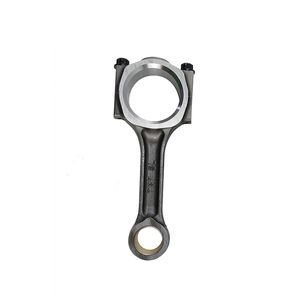
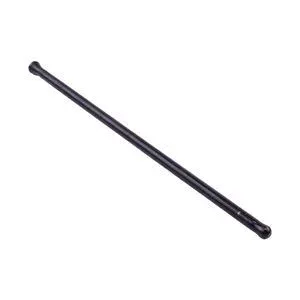
System-Matched Overhaul Sets — Each push rod is dispatched with verified tappet, rocker arm, and gasket pairing for your specific Deutz build code.
Technical Specifications
| Parameter |
Value |
| Part Number |
02109085 |
| Product Type |
Push Rod |
| Cross-Reference |
02109085 (reference only), 0210-9085, 0210 9085, 2109085 |
| Machine Fitment |
D2011L02, D2011L03, D2011L04I, F2L2011, F2L1011F, F2L1011FT, BF2L2011, BF2L1011F, BF2L1011FT, F3L2011, F3L1011F, F3L1011FT, BF3L2011, BF3L1011F, BF3L1011FT, F4L2011, F4L1011F, F4L1011FT, BF4L2011, BF4L1011F, BF4L1011FT, F2M1011F, F3M1011F, F4M1011F, BF2M1011F, BF3M1011F, BF4M1011F |
| Material |
High-strength alloy steel |
| Heat Treatment |
28-32 HRC (source value — verify against manufacturer catalog) |
| Dimensional Tolerance |
±0.05mm (source value — verify against manufacturer catalog) |
| Assembly State |
New Aftermarket |
| Warranty |
3-12 months against manufacturing defects |
Application Suitability
| Engine System |
Related Components |
| Valve Train |
Tappets, Rocker Arms, Valve Stem Seals, Valve Springs |
| Top-End Overhaul |
Cylinder Head Gasket, Valve Cover Gasket, Oil Pan Gasket |
| Bottom-End Rebuild |
Camshaft Bearings, Timing Gears, Thrust Plates |
| Cooling & Lubrication |
Oil Pump, Coolant Seals, Piston Cooling Jets |
Why the Same Part Number Ships in Four Variants
Engine serial codes dictate specific valve train geometry, even within the same base model designation.
Ordering a Deutz push rod engine rebuild parts set based solely on the engine family name (e.g., F2L2011) is a frequent cause of fitment failure. The bore, stroke, and deck height can vary between early and late production runs, as well as between naturally aspirated and turbocharged variants (such as the BF2L2011). A push rod that is even marginally out of specification will alter the valve lift and timing, leading to excessive noise, poor compression, or in severe cases, piston-to-valve contact. Rebuild shops often face the cost of a second teardown because the initial parts order was not verified against the specific engine build plate [NEED_CITE: Deutz engine serial variant identification for valve train components].
System-Level Valve Train Sourcing
When a push rod fails on a Deutz 2011/1011 series engine, the root cause is rarely the rod itself. A bent rod usually traces back to a sticky valve, a worn tappet face, or cam lobe degradation. Replacing only the push rod addresses the symptom, not the failure mechanism. For a reliable overhaul, the entire valve train—tappets, rocker arms, and valve stem seals—must be inspected and replaced as a matched set. This ensures uniform load distribution and prevents the new Deutz push rod engine rebuild parts from being compromised by adjacent worn components.
Addressing Rebuild History and Dimensional Matching
Many older Deutz blocks, particularly the F2L2011 and F4L2011, have undergone previous repairs where non-standard tolerances may have been introduced. If the cylinder head has been milled or the block decked, the installed height changes, affecting the geometry of the valve train. We focus on system-level supply, verifying that the push rod length and end-form geometry match the specific engine build code, not just the generic model name. This prevents the valvetrain noise and premature wear that occur when components are sourced without considering the engine's unique service history [NEED_CITE: engine overhaul dimensional tolerance verification procedures].
Material and Heat Treatment for High-Cycle Fatigue
The push rod operates under high-cycle compressive loading, transferring motion from the camshaft to the rocker arm. The use of high-strength alloy steel is essential to resist buckling and bending under the stress of high RPM operation. The specified heat treatment range targets the necessary surface hardness for the end tips (which contact the tappet and rocker arm) while maintaining a ductile core to absorb shock loads. This balance is critical in heavy-duty construction and mining applications where the engine is subjected to constant load fluctuations and high ambient temperatures, typical of the environments where these Deutz engines operate.

The Hidden Cost of Component Mismatch
Sourcing valve train components individually from different vendors often results in batch tolerance discrepancies. I once saw a repair on a D2011L02 where the push rods were within spec, but the tappets were from a different production batch with a slightly different crown radius. The result was abnormal valvetrain noise and accelerated wear on the new Deutz push rod engine rebuild parts. By sourcing the rod, tappet, and rocker arm as a verified set, the rebuild shop eliminates the risk of micro-geometry mismatch that leads to repeat failures and costly warranty claims.
Verified Sourcing from One Account
Our supply model consolidates the entire overhaul requirement under one warranty and one dispatch. We provide technical confirmation of compatibility based on the engine serial number and build code, ensuring that the push rod and its mating components are dimensionally matched. Our cross-reference verification covers superseded and alternate numbers, which is vital for older 1011/2011 series engines where part numbers have been updated over decades of production. This system-level approach means a complete job list ships as one consignment, avoiding the delays of split freight and mismatched lead times.
Documentation & Verification
- Commercial invoice and packing list detailing all matched valve train components.
- Part compatibility and cross-reference sheet marked for identification purposes.
- Dimensional inspection record covering straightness and end-form geometry.
- Warranty terms specific to the engine system overhaul components.
- Packing photographs showing the consolidated push rod and gasket set.
- HS code and customs documentation support for international engine parts shipments.
Installation & Rebuild Sequence
- Verify the engine build code and serial number before opening the sealed components.
- Inspect the camshaft lobe profile and tappet bore for wear before installing the new push rod.
- Apply assembly lube to both ends of the push rod and the tappet contact surface.
- Confirm the rocker arm geometry and valve stem height after head installation.
- Adjust valve lash to the specific Deutz 2011/1011 service manual specifications.
- Perform an initial low-RPM run-in to seat the tappets and check for abnormal noise.
Requesting a System-Matched Quote
To ensure the correct Deutz push rod engine rebuild parts are supplied, please provide the full engine model, serial number, and build code from the engine data plate. If the plate is worn, clear photographs of the block and head casting numbers, along with any previous overhaul records, will help our technical team confirm the exact variant and required dimensional grades for your rebuild.
Frequently Asked Questions
Q: What else should be replaced when the push rod fails on a Deutz 2011 engine?
A: A push rod failure is usually a symptom of a larger issue. We recommend inspecting and typically replacing the associated tappet, checking the rocker arm for pivot wear, and replacing all valve stem seals. A top-end gasket set is also required, as the head must be removed to address the root cause of the failure and ensure a reliable seal upon reassembly.
Q: Does the same 02109085 fit all F2L/F3L/F4L variants or are there length differences?
A: While the base number 02109085 is widely used, the 2011 and 1011 series have numerous variants (naturally aspirated vs. turbocharged, industrial vs. automotive). The deck height and valve geometry can change, necessitating different push rod lengths or end forms. Verification via the specific engine serial number and build code is essential to guarantee fitment.
Q: Can I get the push rod together with a matched overhaul gasket kit in one shipment?
A: Yes, our core strength is system-level supply. We can consolidate the push rods, tappets, rocker arms, and a complete, engine-specific overhaul gasket kit (including head, valve cover, and oil pan gaskets) into a single consignment. This prevents delays caused by sourcing from multiple vendors with different lead times.
Q: How do I identify the root cause of push rod failure before rebuilding?
A: Before ordering parts, inspect the failed rod. If it is bent, check the corresponding valve for stem seizure or excessive carbon buildup. If the ends are worn or "mushroomed," inspect the camshaft lobe and tappet face for spalling or wear. Addressing these underlying faults is necessary to prevent the new components from failing prematurely.