System-Matched Rebuild Supply — cylinder liner sleeve 3904166 verified against piston, ring pack, and bearing grades for Cummins B-series overhaul jobs.
Technical Specifications
| Parameter |
Value |
| Product Type |
Cylinder Liner |
| Cross-Reference |
3904166 (reference only), DS-3904166 (reference only), DS-3904166OS (reference only) |
| Machine Fitment |
4B3.9, 6B5.9, B3.3, ISB, ISB6.7, QSB3.9, QSB4.5, QSB5.9, QSB6.7 series |
| Condition |
New Aftermarket |
| Warranty |
3-12 months against manufacturing defects |
| Certification |
ISO-certified manufacturing |
| Pre-shipment Testing |
Performance testing before dispatch |
Application Suitability
| Engine System |
Related Components |
| Cylinder Block Assembly |
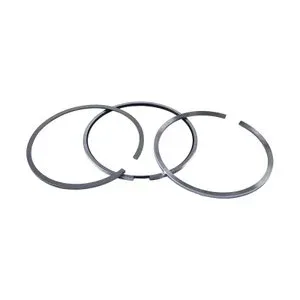
Matched piston assemblies, ring packs, rod bearings |
| Cooling & Lubrication |
Oil squirt jets, coolant passage seals |
| Overhaul Gasket Set |
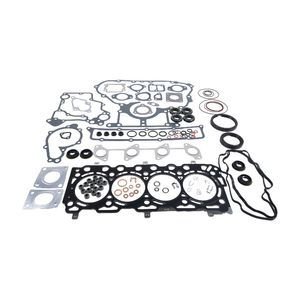
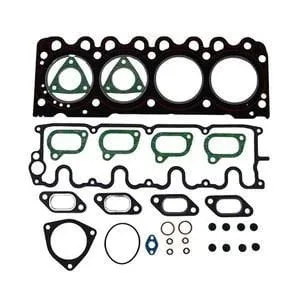
Block deck gaskets, liner retention rings, crankshaft thrust washers |
| Valve Train |
Valve stem seals, injector sleeve O-rings |
Why Liners Fail Again Within Months of Rebuild
A cylinder liner engine overhaul rebuild fails prematurely when the root cause is ignored or the liner is paired with mismatched internal components.
I have seen too many Cummins 4B3.9 and 6B5.9 engines come back torn down after a recent rebuild, the scoring on the liner wall telling the same story every time. The previous shop replaced the cylinder liner engine overhaul rebuild components without inspecting the oil squirt jet alignment or checking whether coolant had entered the bore from a cracked injector sleeve. Swapping the liner without correcting the system fault guarantees the next failure is already scheduled [NEED_CITE: common root causes of cylinder liner scoring in mid-range diesel engines]. When the piston, ring pack, and liner arrive from three different sources, tolerance stack-up pushes the clearance beyond what the ring pack can seal, and oil consumption spikes long before the first scheduled service interval.

System Compatibility Across the B-Series Family
This cylinder liner engine overhaul rebuild component sits at the center of the cylinder block assembly and must interface correctly with the piston skirt, the ring pack grooves, and the block bore register. Cummins B-series and ISB variants share the basic architecture but differ in bore finish, liner flange thickness, and retention ring geometry across production runs. Ordering a liner for an ISB6.7 CM2250 without confirming the exact CM controller code can result in a flange that sits proud or recessed, altering deck height and compression ratio.
Oversize Grades and Previous Rebuild History
Before ordering a replacement cylinder liner engine overhaul rebuild set, the block must be measured to confirm whether a previous rebuild already bored it to 0.25 or 0.50 oversize. Installing a STD liner into a block that was previously machined for oversize creates an interference problem that no amount of shimming resolves [NEED_CITE: Cummins B-series cylinder bore oversize machining tolerances]. Our technical team reviews the engine serial number and build sheet to match the liner grade to the actual bore condition, preventing the kind of mismatch that sends an engine back to the bench before it ever fires.
Reading the Specifications That Matter
The liner bore diameter and wall thickness determine heat transfer rates and structural rigidity under combustion pressure. A liner that is marginally thin will distort under the thermal load of a turbocharged QSB5.9, causing uneven ring wear and localized hot spots on the piston crown. The flange register dimension controls how the liner seats against the block deck, and even a small deviation here changes the projection height, which in turn affects how the head gasket compresses. The surface finish of the bore interior — typically specified in Ra micro-meters — must match the ring pack material to ensure proper break-in without excessive oil consumption during the first several hundred hours.
The Cost of Mismatched Cylinder Components
When a liner and piston are sourced separately and arrive with incompatible grades, the engine goes together but fails under load within weeks. The gap between the piston skirt and the liner wall exceeds what the ring pack can seal, leading to blow-by, oil dilution, and eventually a scored bore that requires another complete teardown. This kind of rework doubles the labor cost and keeps the machine out of service far longer than a single, verified component set would have required [NEED_CITE: cost impact of cylinder component mismatch during diesel engine overhaul]. The hidden expense is not the part — it is the second teardown, the second gasket kit, and the second round of downtime.
Why Engine Rebuild Shops Source Here
We produce selected part lines in our own facility and source the remainder from qualified ISO-certified partners, so every cylinder liner engine overhaul rebuild component carries the same inspection standard and warranty terms. A complete overhaul kit — liner, matched piston, ring pack, rod bearings, and gasket set — ships under one account from one warehouse, eliminating the tolerance drift that comes from mixing suppliers. Our team confirms the engine serial, CM code, and existing bore grade before releasing the order, and we supply dimensional inspection records showing liner bore diameter, wall thickness, and flange register for every batch. Single-piece orders are accepted for emergency single-cylinder repairs, and sample units are available for fitment confirmation before bulk commitment on fleet overhaul programs.
Documentation & Verification
- Commercial invoice listing each liner grade and matched component by engine serial number
- Cross-reference sheet mapping 3904166 (reference only) to compatible B/ISB/QSB variants
- Dimensional inspection record covering bore diameter, wall thickness, and flange projection
- Warranty terms specifying coverage period against manufacturing defects
- Packing photographs showing liner protection and matched set grouping before crate closure
- HS code and customs documentation prepared for international engine parts shipment
Installation & Rebuild Sequence
- Clean the block bore register thoroughly to remove any carbon or gasket residue before setting the liner flange
- Verify liner projection height with a dial indicator against the block deck surface specification
- Install the matched piston and ring pack using the correct ring gap orientation for the Cummins variant
- Torque rod bearings to specification and confirm oil clearance with plastigage before final assembly
- Prime the lubrication system and monitor oil pressure during the initial break-in run cycle
Request a Matched Overhaul Quote
Provide your Cummins engine model, serial number, and CM controller code so we can confirm the exact liner grade and matched component set your rebuild requires. If the block has been previously bored, share the oversize measurement or a photograph of the bore gauge reading. We will return a line-by-line overhaul kit content list matched to your specific engine build sheet.
Frequently Asked Questions
Q: What does the complete overhaul kit include beyond the cylinder liner itself?
A: A full kit typically contains matched piston assemblies, ring packs sized to the correct grade, rod and main bearings at the specified clearance, block deck gaskets, liner retention rings, crankshaft thrust washers, and all peripheral seals required for reassembly. Contents are reconciled line-by-line against the specific Cummins engine build sheet to prevent missing items that would stall the rebuild mid-sequence.
Q: How do I determine whether my block needs STD or oversize liners after a previous rebuild?
A: The existing bore must be measured with an inside micrometer at multiple points along its length. If a prior rebuild machined the block to 0.25 or 0.50 oversize, the replacement liner and matched piston must correspond to that same grade. Our technical team can interpret your measurement data or bore gauge photographs to confirm the correct grade before the order is released.
Q: Do different engine serial numbers within the same QSB5.9 series use different liner specifications?
A: Yes. Production changes across the QSB5.9 run introduced variations in liner flange thickness, retention ring geometry, and bore finish requirements. The CM controller code and engine serial number together identify which variant your engine requires. Ordering by model family alone risks receiving a liner that physically fits but does not meet the projection height or surface finish the specific build demands.
Q: What other system failures cause premature cylinder liner wear that I should inspect before reassembly?
A: Coolant contamination from a cracked injector sleeve, misaligned oil squirt jets that fail to cool the piston crown, and oil starvation from a worn oil pump all produce characteristic wear patterns on the liner wall. Identifying and correcting these root causes before installing new components prevents the replacement liner from suffering the same failure within the first service interval.