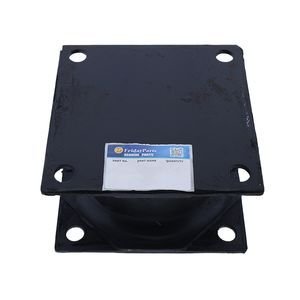
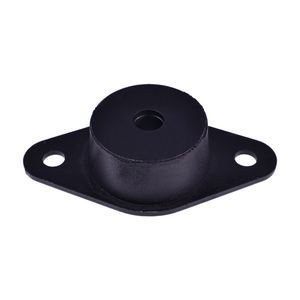
Matched Set Confirmed — rubber hardness and metal bond verified against Dynapac CA-series engine serial variants before dispatch.
Technical Specifications
| Parameter |
Value |
| Part Number |
358172, 4700358172 |
| Product Type |
Cushion Damper |
| Cross-Reference (reference only) |
358172, 4700358172 |
| Machine Fitment |
Dynapac CA51, CA510, CA512, CA600, CA602, CA610, CA612, CA702, SCA512, SCA610 |
| Material Composition |
Rubber compounding with integrated metal components |
| Resistance Properties |
Oil, heat, and environmental factors |
| Condition |
New Aftermarket |
| Warranty |
3-12 months against manufacturing defects |
| Standards |
ISO certified manufacturing facility |
Application Suitability
| Engine System |
Related Components |
| Engine Auxiliary Isolation |
Engine mounts, frame brackets, subframe fasteners |
| Powertrain Vibration Control |
Drivetrain couplings, transmission mounts, exhaust hangers |
| Compaction Roller Overhaul |
Complete engine gasket sets, seal kits, adjacent hardware |
| Scheduled Auxiliary Service |
Inspection of all isolation points, matched replacement sets |
Why Engine Serial Variants Dictate Damper Specification
One part number does not guarantee one correct fitment across the CA-series.
When planning an engine overhaul on a Dynapac CA610 or SCA610, the cushion damper specification must align with the exact engine serial variant installed. Early CA51 models and later CA612 units may share the same base reference number 358172 (for identification purposes), yet the rubber compound hardness and mounting hole pattern can differ based on the engine output and operating weight calibration for that specific machine generation [NEED_CITE: engine auxiliary vibration isolation standards for compaction equipment]. Replacing a single failed mount without verifying the serial variant often results in the new cushion damper engine auxiliary rebuild absorbing disproportionate stress, leading to premature failure within weeks rather than months.
System Context Within Engine Auxiliary Components
This cushion damper functions as a critical isolation point within the engine auxiliary system of Dynapac rollers, positioned between the engine block or subframe and the machine's main structural frame. During a complete engine rebuild or powertrain removal, all vibration mounts should be inspected and typically replaced as a matched set. Leaving original mounts in place while installing one new unit creates uneven load distribution across the engine auxiliary rebuild, accelerating fatigue on adjacent brackets and fasteners.
Rubber Compounding and Thermal Exposure
The rubber compound used in these mounts must withstand continuous exposure to engine bay temperatures, oil mist, and hydraulic fluid seepage typical in compaction roller applications. Oil and heat resistance properties are not optional features but baseline requirements for any cushion damper engine auxiliary rebuild intended for Dynapac CA-series service [NEED_CITE: elastomer degradation rates in diesel engine compartments]. The integrated metal attachment hardware provides secure mounting to both the engine subframe and the machine chassis, ensuring the vibration energy transfers into the damper's rubber matrix rather than causing fastener loosening or bracket cracking over thousands of compaction cycles.

Dimensional Verification Before Installation
Rubber hardness, measured in Shore A durometer, directly affects how the cushion damper responds to the specific vibration frequencies generated by the engine at operating RPM. A damper that is too stiff transmits excessive vibration to the operator station and structural welds, while one that is too soft allows excessive engine movement that strains exhaust connections and coolant hoses. The metal bond integrity between the rubber and the integrated mounting plates must be verified during quality inspection, as delamination under load results in sudden loss of isolation and potential engine misalignment. Machine operating weight and engine output determine the correct calibration, which varies between a CA51 and a CA702 despite sharing similar part number ancestry.
The Hidden Cost of Skipping Root Cause Analysis
Replacing a failed cushion damper engine auxiliary rebuild without investigating why it failed invites repeat failures. Misalignment of the engine within the subframe, worn adjacent mounts, or structural bracket fatigue can all overload a single damper position. A matched set replacement addresses the symptom; identifying and correcting the underlying cause prevents the next failure cycle [NEED_CITE: vibration analysis methods for identifying engine mount failure root causes]. Shops that replace only the visibly failed unit often see the machine return within months with a different mount in the set now showing accelerated degradation.
Why Source This Component Here
Our Guangzhou facility stocks cushion damper sets verified against Dynapac CA-series engine serial variants, not just base part numbers. We produce selected auxiliary components in-house and source the remainder from qualified ISO-certified partners, with both channels carrying identical warranty terms and quality inspection protocols. Orders from a single piece upward are accepted, and we can identify the correct specification from your machine model, engine serial number, or a photograph of the existing nameplate. Cross-reference verification covers superseded numbers and variant differences within the 358172 / 4700358172 family. Technical staff are available to confirm compatibility and rubber compound grade before you commit to a bulk order, and samples can be supplied for fitment confirmation prior to full consignment dispatch.
Documentation & Verification
- Commercial invoice listing each cushion damper position and matched set quantity
- Cross-reference sheet showing 358172 / 4700358172 interchange data (reference only)
- Quality inspection record covering rubber hardness durometer reading and metal bond pull-test results
- Warranty terms specifying coverage period and manufacturing defect scope for rebuild applications
- Packing photographs showing mount orientation and protective separation during transit
- HS code and customs documentation support for international engine auxiliary rebuild shipments
Installation & Rebuild Sequence
- Clean mounting surfaces on engine subframe and machine chassis before cushion damper installation to ensure flush contact
- Torque all mounting fasteners to manufacturer specification in the correct sequence to avoid preloading the rubber
- Inspect adjacent engine mounts, exhaust hangers, and structural brackets for fatigue cracking during the same service event
- Verify engine alignment within the subframe before final torque to prevent uneven load distribution across the damper set
- Run the engine at idle and operating RPM to confirm vibration isolation performance before returning the roller to compaction service
Requesting the Correct Specification
Provide your Dynapac machine model (CA51, CA510, CA610, SCA610, etc.), the engine serial number from the data plate, and any known rebuild history or previous damper replacements. This information allows us to confirm the correct rubber compound grade and mounting configuration for your specific engine variant. If the nameplate is worn or painted over, photographs of the existing cushion damper and its mounting position enable our technical team to verify the cross-reference and variant details before quotation.
Frequently Asked Questions
Q: Should I replace all vibration mounts at once during an engine overhaul?
A: Yes. Replacing only the failed cushion damper leaves older mounts with degraded rubber compound in place, causing the new unit to absorb disproportionate vibration energy and fail prematurely. A matched set ensures consistent damping across all isolation points, protecting engine mounts, subframe brackets, and fasteners from accelerated fatigue during the next service interval.
Q: How do I confirm the correct damper variant for my Dynapac engine serial number?
A: Provide the engine serial number from the data plate along with the machine model. The 358172 reference number (for identification purposes) may cover multiple variants with different rubber hardness ratings and mounting patterns. We cross-reference your serial against variant specifications to supply the correct compound and hole pattern for your specific engine build.
Q: What other engine auxiliary components should I inspect when replacing this mount?
A: Inspect all adjacent engine mounts, exhaust system hangers, coolant hose connections, and subframe mounting brackets for fatigue cracking or deformation. Check fastener torque on related hardware and verify the engine alignment within the subframe. Addressing these items during the same service event prevents secondary failures caused by misalignment or overload.
Q: Does the rebuild history of my engine affect which damper specification I need?
A: Previous rebuilds may have changed the engine's vibration characteristics through component replacement, balancing adjustments, or modifications to the flywheel or crankshaft. Provide your rebuild history so we can confirm whether the standard cushion damper specification remains appropriate or whether a variant calibrated for the current engine configuration is required.