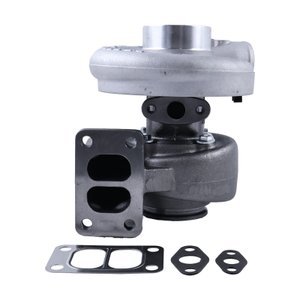
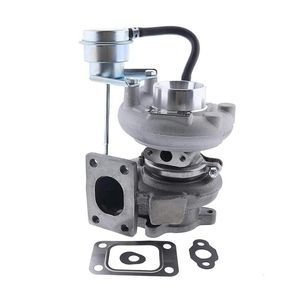
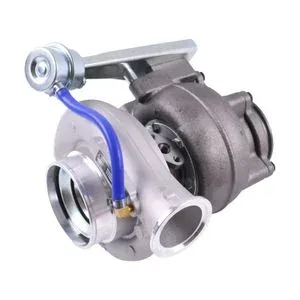
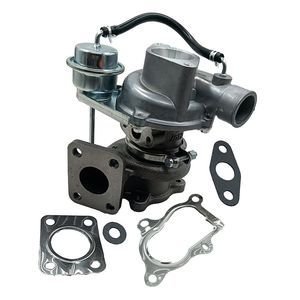
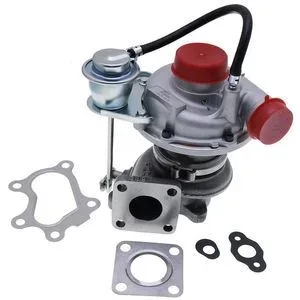
Matched Set Shipped — every H1C Turbocharger for Cummins 6BT engine rebuild leaves our warehouse with the gaskets, oil fittings, and air-side seals that the job actually requires.
Technical Specifications
| Parameter |
Value |
| Product Type |
Turbocharger |
| Cross-Reference |
3802289, 3522777, 3528742, 3528741, 3522778, 3526739, 3802302, 3802115, 466563-0001, 466563-0003, 447450-0051, 447450-0065, 3535415, 3535416, 3535417, 3535418, 3528740, 3528749, 3534829, 3534830, 3535430, 3907026, 3919121, 124015, 333056ABS, 3535419, A3919119, A3919121, 3535420, 3535421, 3535454, 3538188, 3538277 (reference only) |
| Machine Fitment |
Cummins 6BT, 6BT-590, 6T-590 engines (1994–2009) |
| Turbo Model |
H1C, H1C-8243AF/E18DA11 |
| Turbine Housing Material |
Ni-resist ductile iron |
| Compressor Wheel Material |
High-strength aluminum alloy 2618 |
| Shaft and Bearing Material |
Case-hardened steel with PTFE-coated journal surfaces |
| Dimensional Tolerance |
±0.02 mm |
| Boost Pressure Range |
1.2–1.8 bar |
| Max Rotational Speed |
exceeding 120,000 RPM |
| Dynamic Balance Check |
≤2.5 g·mm |
| Oil Leak Test Pressure |
3.5 bar |
| Boost Pressure Verification |
1.5 bar |
| Condition |
New Aftermarket |
| Warranty |
3–12 months against manufacturing defects |
Application Suitability
| Engine System |
Related Components |
| Intake and boost circuit |
Intake manifold gaskets, air filter housing seals, boost pressure sensor |
| Lubrication feed and return |
Oil supply line, oil drain tube, crankcase ventilation valve |
| Exhaust gas routing |
Exhaust manifold gaskets, turbine inlet studs and nuts, heat shields |
| Top-end overhaul |
Piston rings, cylinder liner, valve stem seals (when addressing blow-by) |
Why a New H1C Turbocharger for Cummins 6BT Engine Rebuild Fails Within Weeks
The turbo is a symptom, not the root cause.
In Guangzhou workshops, I see repair crews unbox a fresh H1C turbo, bolt it onto a 6BT, and hand the machine back to the site. Three weeks later, the same engine is back on the bench with a seized cartridge or a oil-soaked compressor wheel. The old oil drain tube still has carbon buildup choking the return flow, or the crankcase ventilation is blocked, pushing blow-by pressure straight into the turbo bearing housing. Swapping the turbo without tracing the system fault simply resets the clock on the same failure [NEED_CITE: common root causes of turbocharger failure in medium-duty diesel engines].
The Boost Circuit as a Single System
When a Cummins 6BT arrives for an overhaul, the H1C turbocharger sits at the intersection of three circuits: intake air, exhaust gas, and lubrication oil. Treating it as an isolated component ignores the dependencies that determine its survival. The oil supply line may have varnish deposits restricting flow to the journal bearings. The air filter housing may be leaking unfiltered dust past a cracked seal. Each of these conditions will destroy a new turbo just as effectively as the last one. A system-level approach replaces or verifies every interface the turbo touches.
Engine Serial Variants and Mounting Differences
The 6BT family spans production years with running changes to the turbine inlet flange, oil port orientation, and wastegate actuator calibration. An early 6BT-590 build may use a different exhaust manifold stud pattern than a later 6T-590 variant. The oil drain port angle shifts between serial ranges, meaning a drain tube from the wrong variant creates a kink or a gravity trap. Before committing to a purchase, confirming the engine serial number against the cross-reference list (such as 3802289 or 466563-0001 for identification purposes) prevents flange mismatches that force improvisation on the bench [NEED_CITE: Cummins 6BT serial range and configuration bulletin].
Reading the Specs That Matter in the Workshop
The Ni-resist ductile iron turbine housing resists thermal fatigue from the rapid heat cycling that quarry and excavation duty imposes. Aluminum alloy 2618 on the compressor wheel maintains dimensional stability at sustained boost, avoiding the blade-tip clearance growth that erodes airflow over time. The PTFE-coated journal surfaces on the case-hardened steel shaft reduce friction during the critical first seconds of oil-starved start-up, which is when most turbo wear accumulates. Dimensional tolerance held to ±0.02 mm means the unit drops onto the manifold studs without shimming or adapter plates, provided the correct serial variant has been selected. Dynamic balance at ≤2.5 g·mm keeps shaft vibration within the range that journal bearings can absorb without accelerated wear [NEED_CITE: turbocharger rotor dynamic balance standards for commercial diesel applications].

The Cost of Skipping the Root-Cause Check
A workshop that installs only the turbo and reuses the old oil drain tube and intake gaskets is accepting a predictable comeback. Carbon in the drain line restricts oil return, flooding the bearing housing and pushing oil past the compressor seal into the intake. The customer sees blue smoke, assumes the new turbo is defective, and the cycle of warranty claims and repeat teardowns begins. The real cost is not the second turbo — it is the second round of labor, the second round of freight, and the credibility lost with the fleet owner who now questions every recommendation.
What This Supply Channel Covers
Selected turbo part lines are produced in our own facility; the remainder is sourced from qualified ISO-certified manufacturing partners. Both carry the same quality control and warranty terms. The H1C turbocharger ships under one account alongside matched gaskets, oil fittings, and air-side seals, so the complete boost-circuit refresh moves in one consignment. Minimum order is one piece. Guangzhou warehouse stock enables fast dispatch on common 6BT variants. Part identification proceeds from the engine serial number, a photograph of the nameplate, or an image of the old unit's data tag. Cross-reference verification covers superseded and alternate numbers across the 3802289, 3522777, and 466563 family. A sample unit is available for fitment confirmation before bulk commitment, and the technical team confirms compatibility and grade against the specific engine build record.
Documentation & Verification
- Commercial invoice and packing list itemizing turbo and matched seal kit contents
- Part compatibility sheet listing applicable 6BT serial ranges and cross-reference numbers (reference only)
- Quality inspection record showing dynamic balance result, boost pressure verification, and oil leak test at 3.5 bar
- Warranty terms covering manufacturing defects for 3–12 months from dispatch
- Packing photographs documenting anti-static foam cradle and VCI paper wrapping before carton seal
- HS code and customs documentation support for destination-country import classification
Installation & Rebuild Sequence
- Verify turbine inlet flange and oil drain port angle against engine serial before removing protective packaging
- Clean oil supply and drain lines to ISO 4406:18/16/13 cleanliness standard before connecting to new turbo
- Torque exhaust manifold studs and turbine inlet nuts to specification; check wastegate actuator rod travel
- Pre-lube the turbo bearing housing with clean engine oil before first cranking to prevent dry-start scuffing
- Run engine at idle, verify boost builds to 1.5 bar, and inspect oil drain and intake connections for leaks
- Log initial operating hours and recheck all fasteners and hose clamps after the first heat cycle
Requesting a Quotation
Provide the engine model designation, serial number, and any known rebuild history. If the nameplate is unreadable, send a photograph of the old turbo data tag and the exhaust manifold flange. State whether the requirement is a single unit for an active repair or a stocking quantity for a fleet maintenance program. The response will include the verified cross-reference, the matched gasket and seal list, and the applicable lead time.
Frequently Asked Questions
Q: What other components should be replaced when installing a new H1C turbo on a 6BT?
A: The oil supply line, oil drain tube, intake and exhaust manifold gaskets, and crankcase ventilation valve should all be inspected and typically replaced. Air filter housing seals and boost pressure sensors are also common wear items. Supplying the turbo as a matched set with these adjacent components ensures the entire boost circuit is refreshed in a single overhaul step, reducing the risk of repeat failure.
Q: How do I determine the correct cross-reference number for my specific engine serial?
A: Share the engine serial number from the data plate, or provide a photograph of the old turbo tag. Our technical team cross-references the serial against the applicable part number family, such as 3802289 or 466563-0001, accounting for superseded numbers and running production changes. This verification confirms the correct flange pattern, oil port orientation, and wastegate calibration for your build.
Q: Do different 6BT serial variants use different turbo mounting or oil port configurations?
A: Yes. The 6BT, 6BT-590, and 6T-590 family includes running changes to the turbine inlet stud pattern, oil drain port angle, and wastegate actuator setting. Selecting the wrong variant leads to flange misalignment or a restricted oil drain. Confirming the engine serial number against the cross-reference list before ordering prevents fitment issues on the bench.
Q: What engine system conditions should be checked to prevent repeat turbo failure?
A: Oil contamination from bypassed filtration, restricted oil drain lines, excessive crankcase pressure from worn piston rings, and exhaust manifold cracking all contribute to premature turbo failure. A system-level diagnosis addresses these upstream conditions rather than treating the turbo as the sole fault. This approach meaningfully reduces unplanned downtime and repeat teardowns.
Q: Can the turbo be supplied as part of a complete overhaul kit with matched gaskets and seals?
A: Yes. The H1C turbocharger is available alongside matched intake and exhaust gaskets, oil supply and drain fittings, and air-side seals. Consolidating the entire boost-circuit refresh into one consignment avoids split shipments and ensures all components arrive together. This is the standard supply format for engine rebuild shops quoting a complete 6BT overhaul.