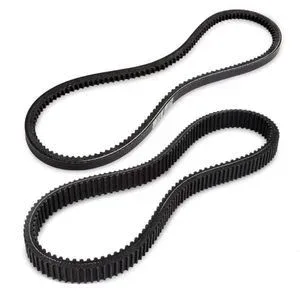
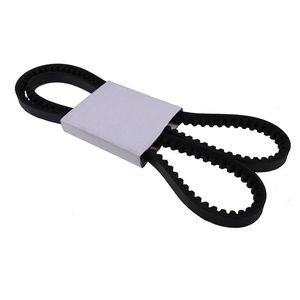
Engine Sequence Variants Confirmed — Every belt 153263001 ships only after verifying the specific engine build record of your BC1000XL chipper, preventing tensioner mismatch and premature drive failure.
Technical Specifications
| Parameter |
Value |
| Part Number |
153263001 |
| Product Type |
Belt |
| Cross-Reference |
265-776, 265776 (reference only) |
| Machine Fitment |
Vermeer BC1000XL Chipper |
| Condition |
New Aftermarket |
| Warranty |
3-12 months against manufacturing defects |
| MOQ |
1 piece |
| Manufacturing Standard |
ISO-certified production |
Application Suitability
| Engine System |
Related Components |
| Engine-to-cutter power transmission |
Drive pulleys, tensioner assembly, idler bearings |
| Auxiliary drive circuit |
Fan belt, alternator belt, hydraulic pump drive |
| Scheduled chipper maintenance |
Matched belt and tensioner sets, pulley inspection kits |
| Forestry and waste processing fleet service |
Spare belt inventory for continuous wood processing duty |
Why Belt Replacements Fail Before the Next Service Window
A belt engine power transmission system rebuild replacement rarely fails on its own — the surrounding hardware takes it down.
In my years cross-referencing chipper drive trains across engine serial variants, I have watched workshops swap a worn belt only to see the replacement shredded within a short operating period. The culprit is almost always a fatigued tensioner, a pulley with worn grooves, or a bearing that has shifted off-axis. The belt is the visible casualty, not the root cause. [NEED_CITE: belt drive system failure root cause analysis for industrial chippers]
When a BC1000XL arrives for service with a snapped or glazed belt, the correct procedure begins with the engine serial number. Different production batches of the same chipper model carry different engine variants, and the tensioner spacing, pulley diameter, and belt tooth profile can differ between them. Ordering by machine model alone leaves the fitment to chance.

Mapping the Belt Inside the Chipper Drive Train
The belt 153263001 transfers engine output directly to the cutting drum on the BC1000XL. It sits in a belt engine power transmission system rebuild replacement sequence that includes the crankshaft pulley, the driven drum pulley, and the automatic or manual tensioner between them. If any of these components has accumulated wear, the new belt inherits the misalignment and fails on the same cycle.
Engine Serial Variants That Change the Belt Specification
Vermeer BC1000XL chippers have been built across multiple engine generations. The engine serial number determines the exact pulley configuration and tensioner geometry. A belt that fits one engine variant may be slightly too long or too short for another, leading to either slippage under load or excessive tension that destroys the tensioner bearing. [NEED_CITE: engine serial variant identification for forestry equipment drive systems]
We verify the engine build record against the cross-reference numbers 153263001, 265-776, and 265776 before confirming the correct belt variant. This step eliminates the trial-fitment problem that plagues aftermarket sourcing.
Tooth Profile and Compound Selection for Continuous Cutting Loads
The belt carries a tooth profile engineered to match the pulley groove geometry of the target engine variant, ensuring positive engagement under the shock loads typical of wood chipping. The cord construction resists stretch, maintaining stable tension across long operating shifts. The rubber compound is formulated to resist heat buildup from continuous friction, which is the primary degradation mechanism in chipper drive applications.
A belt that is marginally compatible in length but wrong in tooth profile will seat imperfectly in the pulley grooves. Under the cyclic loading of a chipper processing hardwood, that imperfect seating generates localized heat and accelerated wear. The correct belt engine power transmission system rebuild replacement matches both dimensions and profile to the specific pulley set installed on your engine.
The Cost of Skipping System-Level Diagnosis
Replacing the belt without inspecting the tensioner, pulleys, and idler bearings invites repeat failure. A worn tensioner cannot maintain correct tension, and the new belt slips or flutters until it breaks. A pulley with worn grooves damages the belt teeth from the first revolution. These are not manufacturing defects — they are system-level faults that no belt, regardless of origin, can survive.
Workshops that treat belt replacement as a standalone task accumulate repeat visits and warranty disputes. The hidden cost is not the belt itself but the second and third machine downtime events that follow. [NEED_CITE: repeat belt failure diagnosis in mobile forestry equipment]
Why Sourcing This Belt Through XUNPO Works
Our own production lines and qualified sourced supply carry identical QC and warranty terms, so you receive consistent quality regardless of which line fulfills your order. Eight product categories mean the belt, tensioner, pulleys, and adjacent seals all ship under one account and one consignment.
We accept orders from a single piece, which matters when a chipper is already down and the workshop needs one specific belt to complete the job. Part identification is available from a part number, machine model, photograph, or nameplate image — whichever starting point the buyer has.
Cross-reference verification covers superseded and alternate numbers, catching the cases where an older reference no longer matches the current engine build. Sample supply is available for fitment confirmation before any bulk commitment, removing the risk of ordering a full set that does not seat correctly.
Documentation & Verification
- Commercial invoice and packing list with belt variant and engine serial reference noted
- Part compatibility sheet listing verified cross-reference numbers 265-776 and 265776 as reference only
- Quality inspection record confirming tooth profile and dimensional check before dispatch
- Warranty terms covering manufacturing defects for 3-12 months from delivery
- Packing photographs showing belt condition and protective packaging at point of dispatch
- HS code and customs documentation support for international shipments
Installation & Rebuild Sequence
- Inspect pulley grooves and tensioner travel before fitting the new belt 153263001 onto the drive train
- Verify belt tooth profile matches the installed pulley set for the specific engine variant
- Set tension to the engine manufacturer specification and confirm alignment across all pulleys
- Run the chipper at idle to observe belt tracking before applying cutting loads
- Re-check tension after the initial run-in period and adjust if the belt has seated further into the grooves
Requesting a Confirmed Fitment Quote
Provide the engine model and serial number from the BC1000XL nameplate, along with any previous rebuild history. If the nameplate is unreadable, a photograph of the old belt and the pulley arrangement allows our technical team to identify the correct variant. Include the machine operating hours so we can advise whether adjacent drive components should be replaced at the same interval.
Frequently Asked Questions
Q: What other components should I inspect or replace when changing this belt?
A: Check the tensioner assembly for spring fatigue and bearing play, examine all pulley grooves for wear or scoring, and verify idler bearing condition. If any component shows degradation, replacing it alongside the belt prevents the new belt from inheriting the same failure mode within a short operating window.
Q: How do I confirm the correct belt variant for my specific BC1000XL serial range?
A: Provide the engine serial number from the machine nameplate or engine block. We cross-reference this against build records to confirm the exact pulley configuration and belt specification, rather than relying on machine model alone which can span multiple engine variants.
Q: What system-level faults cause repeated belt failure even after replacement?
A: Common root causes include a fatigued tensioner that cannot maintain correct tension, pulley misalignment from worn mounting brackets, and bearing play that allows pulley wobble. Each of these faults transfers abnormal loads to the belt, causing premature failure regardless of belt quality.
Q: Can I order matched belt, tensioner, and pulley sets together?
A: Yes. We supply the belt alongside tensioner assemblies, pulleys, and idler bearings as a matched set for the specific engine variant. Consolidating the order under one account means all components ship together and arrive ready for a complete drive system overhaul.