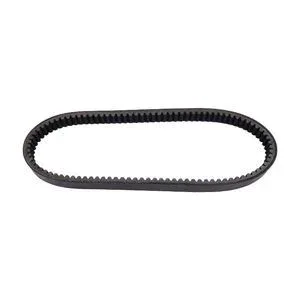
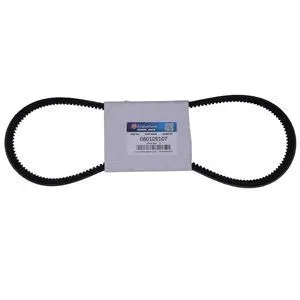
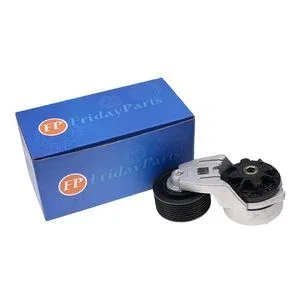
System-Matched Drive Belt — Polyester-cord reinforcement paired with verified dimensional tolerances preserves tension integrity across the full deck pulley system on Toro TimeMaster and Exmark commercial mowers.
Technical Specifications
| Parameter |
Value |
| Product Type |
Belt |
| Cross-Reference |
120-3335 (reference only), 265-610 (reference only), 1203335 (reference only), 265610 (reference only), 120-3335-SL (reference only), 1203335SL (reference only) |
| Machine Fitment |
Toro 20199, 20200, 20975, 20976, 20977, 20978, 21199, 21199HD, 21200, 21810, 21811, 22200, 22205TE, 22207, 22210, 22215, 22225, 22235; Exmark ECKA30, ECS180CKA30000, ECX180CKA30000, ECX200CKC30000 |
| Brand Fitment |
Compatible with Toro, Exmark |
| Material |
High-tensile synthetic rubber with polyester-cord reinforcement |
| Condition |
New Aftermarket |
| Dimensional Tolerance |
±0.3 mm |
| Warranty |
6-month warranty against manufacturing defects |
| Compliance |
RoHS, REACH, ISO 9001 |
Application Suitability
| Engine System |
Related Components |
| Belt Drive (Deck Engagement) |
Deck pulleys, idler assemblies, clutch mechanisms, tensioner springs |
| Belt Drive (Transmission) |
Drive sheaves, PTO shafts, spindle bearings, belt guides |
| Preventive Maintenance Kits |
Matched belt-and-pulley sets, deck rebuild hardware, clutch friction plates |
| Fleet Overhaul Programs |
Full drivetrain component sets for Toro TimeMaster and Exmark S/X-Series walk-behinds |
Why Deck Belts Fail Before the Season Ends
A snapped belt mid-job rarely points to the belt alone; the root cause usually lives in the surrounding drivetrain.
When a mower belt breaks during peak mowing season, the immediate reaction is to swap the belt and send the machine back out. Yet within weeks, the replacement belt often fails in the same way. The real problem is usually a worn tensioner that no longer holds proper deflection, a pulley with a glazed groove that slips under load, or a clutch that engages too aggressively. Each of these conditions transfers abnormal stress to the belt cord, and replacing only the belt without addressing the adjacent components means the new belt inherits the same destructive forces [NEED_CITE: belt drive system root-cause failure analysis for commercial turf equipment].
For fleet operators running Toro TimeMaster or Exmark commercial walk-behinds under HOA and municipal contracts, this pattern of repeat failure translates directly into missed service windows and callback visits. A system-level approach to belt replacement addresses the entire load path.
How This Belt Interfaces with the Mower Drivetrain
This belt sits at the center of a power transfer chain that begins at the engine crankshaft pulley and routes through idler assemblies, deck spindles, and clutch mechanisms. On Toro and Exmark commercial walk-behind mowers, the belt must maintain consistent engagement across multiple pulley planes while absorbing shock loads from blade contact with dense turf or hidden obstacles. The polyester-cord reinforcement minimizes longitudinal stretch, which means the tension set during installation remains stable across thousands of operating hours without requiring manual readjustment mid-season.
Matching Belt Profile to Deck Configuration
Commercial mower decks vary in width, spindle count, and routing geometry across model series. A belt that is dimensionally correct in length but wrong in cross-section profile will ride too high or too low in the pulley groove, causing edge wear and slippage. The ±0.3 mm dimensional tolerance on this belt ensures the cross-section seats fully in the original pulley grooves on compatible Toro and Exmark deck configurations [NEED_CITE: belt profile and groove geometry matching standards for agricultural and turf drive systems]. When sourcing for mixed fleets, cross-referencing the OEM numbers 120-3335 and 265-610 against your specific machine serial range eliminates profile mismatch before the first installation.

What the Material Specification Means in the Field
High-tensile synthetic rubber provides the friction surface that grips the pulley grooves, while the embedded polyester cord carries the tensile load. Synthetic rubber resists the combined degradation effects of grass clipping acids, moisture from morning dew, and UV exposure during outdoor storage — conditions that break down natural rubber compounds over a single season. The polyester cord does not absorb moisture the way aramid alternatives can, so its tensile properties remain stable in humid operating environments. RoHS and REACH compliance confirms the compound is free from restricted substances, which matters for municipal and institutional contracts that require environmental documentation for replacement parts.
The Cost of Replacing Only the Belt
Swapping a broken belt without inspecting the tensioner, idler bearings, and clutch surfaces often leads to a second failure within the first few weeks of operation. The machine goes down again, the crew loses another half-day of billable mowing, and the repair shop faces a warranty conversation that could have been avoided. System-level replacement — addressing the worn pulley groove, the weak tensioner spring, and the glazed clutch face alongside the belt — eliminates the conditions that destroy belts prematurely [NEED_CITE: turf equipment drivetrain component interaction and cascading failure patterns].
Sourcing That Covers the Full Drivetrain
Our Guangzhou warehouse stocks this belt alongside the pulleys, tensioners, and clutch assemblies that commonly need attention during a belt drive overhaul. Both self-produced and qualified sourced lines carry the same six-month warranty and quality inspection protocol, so a complete deck rebuild kit ships under one account with unified terms. Part identification works from an OEM number, a machine model, a photograph of the old belt, or even a worn nameplate image — our technical team verifies the correct variant against your specific Toro or Exmark serial range. Sample supply is available for fitment confirmation before you commit to bulk quantities for a fleet maintenance program.
Documentation & Verification
- Commercial invoice listing each belt variant by cross-reference number (reference only)
- Dimensional inspection record confirming length and profile tolerance within ±0.3 mm
- Part compatibility sheet mapping OEM numbers to specific Toro and Exmark serial ranges
- Warranty certificate covering manufacturing defects for six months from delivery
- Packing photographs showing individual polybag packaging with printed part identification
- HS code and export documentation support for customs clearance
Installation & Rebuild Sequence
- Inspect all deck pulleys for groove wear and bearing play before routing the new belt
- Verify tensioner spring force and idler arm pivot freedom to prevent uneven belt loading
- Route belt following the deck diagram; confirm no twists between pulley planes
- Set deflection to specification at the longest unsupported span between pulleys
- Run the deck at idle for several minutes, then re-check tension after initial seating
- Inspect belt tracking and edge condition after the first hour of operation under load
Requesting a System-Matched Quote
Provide your machine model and serial number, or send a photograph of the existing belt and nameplate. If you are planning a fleet overhaul, share the full equipment list and we will map the correct belt variant to each unit along with matching pulleys and tensioners.
Frequently Asked Questions
Q: What other drivetrain components should I inspect when replacing this belt?
A: Check deck pulley grooves for glazing or wear, idler bearings for play, tensioner springs for fatigue, and clutch friction surfaces for scoring. Any of these conditions transfers abnormal stress to the new belt and causes premature failure. Replacing worn adjacent components during the same service event eliminates the root cause rather than treating only the symptom.
Q: How do Toro and Exmark serial ranges affect which belt I need?
A: Deck configurations change across production runs — pulley count, routing path, and belt length can differ between early and late serial ranges of the same model. We verify the correct belt variant against your specific serial number to ensure the length and cross-section match your deck geometry before shipment.
Q: What system-level conditions cause premature belt failure?
A: Grass clipping buildup inside the deck creates friction and heat. Moisture from morning dew accelerates rubber degradation. Worn tensioners allow slippage that glazes the belt surface. Misaligned pulleys force the belt to track against groove edges. Addressing these conditions extends the life of the entire drive system.
Q: Can I order matched pulleys and tensioners together with this belt?
A: Yes. We supply pulleys, idler assemblies, tensioner springs, and clutch components alongside the belt under one account and one warranty. Consolidating the full drivetrain service list into a single consignment avoids split shipments and keeps your maintenance schedule on track.
Q: How do I confirm the correct belt when the nameplate is unreadable?
A: Send a photograph of the old belt, any visible numbers on it, and a picture of the deck pulley layout. Our technical team cross-references the physical characteristics against Toro and Exmark fitment records to identify the correct variant without relying on the machine nameplate.