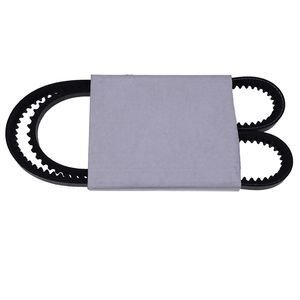
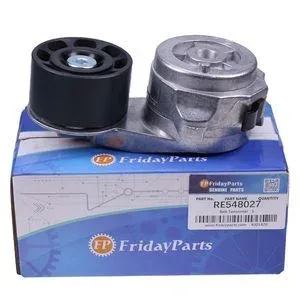
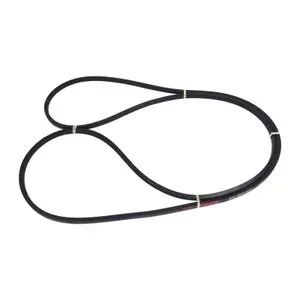
Engine Serial Variants Confirmed — Every TriPac APU alternator belt order is verified against the specific engine serial range before dispatch, ensuring the 8-rib profile matches your unit's pulley geometry.
Technical Specifications
| Parameter |
Value |
| Part Number |
78-1918 78-1543 |
| Product Type |
Belt |
| Cross-Reference |
78-1918, 781918, 78-1543, 781543 (reference only) |
| Machine Fitment |
Thermo King TriPac APU |
| Material |
EPDM (Ethylene Propylene Diene Monomer) |
| Rib Profile |
8-rib |
| Pitch |
12.7 mm |
| Groove Depth Tolerance |
±0.05 mm |
| Tensile Cord |
Aramid-reinforced |
| Elongation at Rated Load |
<2.5% |
| Operating Temperature Range |
-20°C to +50°C ambient, up to 90°C engine bay |
| Vibration Resistance |
up to 250 Hz |
| Condition |
New Aftermarket |
| Standards |
ISO 9001, ISO 16893:2019 |
| Warranty |
6 months against manufacturing defects |
| MOQ |
1 piece |
Application Suitability
| Engine System |
Related Components |
| Belt Drive — Charging Circuit |
Alternator, tensioner assembly, idler pulley |
| Belt Drive — Accessory Drive |
Crankshaft pulley, harmonic balancer, belt guard |
| Cooling Auxiliary |
Water pump pulley, fan drive coupling |
| Engine Overhaul — Top End |
Valve cover gasket, thermostat housing seal, front crank seal |
Why a New Belt Fails Within Weeks on a TriPac APU
The belt is rarely the root cause — the drive system around it is.
In mining camps across sub-Saharan Africa, I watched TriPac APU units chew through alternator belts in days. The pattern was always the same: a crew replaces the belt without inspecting the tensioner bearing or checking pulley alignment. The new belt runs hotter, sheds ribs, and the APU goes down again while the truck is still on site. An alternator belt engine rebuild replacement only holds if the full drive path is verified first [NEED_CITE: belt drive system failure root cause analysis for auxiliary power units].
When the tensioner spring has fatigued or the idler pulley has developed lateral play, the belt tracks off-center. Rib edges wear against the pulley flange, generating heat that accelerates EPDM cracking even in a compound rated for 90°C engine bay temperatures. The failure is blamed on belt quality when the actual fault sits two inches away.

Matching the Belt to the Full Drive System
This alternator belt sits inside the TriPac APU belt drive system — the mechanical link between crankshaft output and the charging circuit. An alternator belt engine rebuild replacement only delivers reliable service when paired with a tensioner that still holds specification load and pulleys free of groove wear. We supply this belt alongside matched tensioners, idler pulleys, and front crank seals so the entire drive path is renewed in one rebuild cycle rather than staggered across multiple teardowns.
Serial Number Variants and Belt Geometry
Thermo King TriPac APU units have been produced across several serial ranges, and belt routing can differ between early and late builds. The alternator mounting bracket position, pulley diameter, and belt length vary even when the base model designation stays the same. Confirming the APU serial number before ordering ensures the 12.7 mm pitch and overall belt length match your specific drive configuration. We cross-reference the engine serial against service documentation to eliminate variant mismatches before the part ships [NEED_CITE: TriPac APU serial range belt routing differences].
Reading the Specs That Matter in the Engine Bay
The EPDM compound resists heat aging, ozone cracking, and oil mist commonly present in APU engine bays — a critical advantage over standard chloroprene belts that harden and split under continuous tropical heat exposure. Aramid-reinforced tensile cords control elongation to less than 2.5% at rated load, which matters on units that cycle between start and stop dozens of times per shift. The 8-rib profile with ±0.05 mm groove depth tolerance ensures full contact across every pulley groove, distributing load evenly and preventing individual ribs from carrying disproportionate stress. Vibration resistance rated to 250 Hz covers the harmonic range generated by the small-displacement diesel engine at operating RPM.
The Hidden Cost of Skipping the Drive System Audit
Replacing only the belt while leaving a worn tensioner in place leads to predictable repeat failure. The new belt absorbs the shock loads that the fatigued tensioner can no longer dampen, accelerating cord fatigue and rib separation. On a mining site with no local parts source, that second failure means the truck idles its main engine to charge batteries — burning significantly more fuel and accumulating engine hours that shorten the next overhaul interval. The cost of the matched tensioner and pulley set is minor compared to the operational loss of a second unplanned teardown [NEED_CITE: fleet fuel consumption impact of APU downtime].
What Makes This Supply Arrangement Different
Selected belt drive lines are produced in our own facility, while remaining components are sourced from ISO-certified manufacturing partners — both carry identical QC standards and the same 6-month warranty. Eight product categories across the engine system mean a complete TriPac APU overhaul kit ships as one consignment rather than fragmented orders from multiple vendors. Orders start from one piece, so a single emergency belt does not require padding a minimum quantity. Our technical team verifies alternator belt engine rebuild replacement compatibility from your engine serial number, photographs, or nameplate images. Cross-reference verification covers superseded and alternate numbers, and samples are available for fitment confirmation before bulk commitment.
Documentation & Verification
- Commercial invoice listing each belt drive component with individual part identification
- Compatibility sheet mapping OEM numbers (reference only) to your TriPac APU serial range
- Dimensional inspection record confirming 8-rib pitch and groove depth tolerance
- Warranty terms covering manufacturing defects for six months from dispatch
- Packing photographs showing belt condition and protective packaging before crating
- HS code and customs classification support for cross-border clearance
Installation & Rebuild Sequence
- Inspect tensioner spring force and idler pulley bearing play before belt installation
- Clean all pulley grooves of oil residue and debris to ensure full rib contact
- Route the 8-rib belt following the TriPac APU service manual routing diagram
- Verify tensioner arm sits within the cast indicator marks at rest position
- Run the APU under no-load for a brief break-in period, then recheck belt tracking
- Confirm alternator output voltage stabilizes before returning the unit to service
Requesting a Matched Drive System Quote
Provide your TriPac APU model designation, engine serial number, and any previous rebuild history. If the nameplate is worn or painted over, send a photograph of the alternator mounting bracket and pulley arrangement. This allows us to verify the correct belt variant and identify which adjacent drive components should be included in the same shipment for a complete alternator belt engine rebuild replacement cycle.
Frequently Asked Questions
Q: What other belt drive components should be replaced together with this belt?
A: The tensioner assembly, idler pulley, and any pulleys showing groove wear should be evaluated during the same service event. If the tensioner spring has lost specification load or the idler bearing shows lateral play, replacing only the belt invites premature repeat failure. We supply matched sets so the entire drive path is renewed in one teardown.
Q: How do I confirm the correct belt variant for my TriPac APU serial number?
A: Share the APU serial number and model year with our technical team. We cross-reference the engine build record against belt routing specifications to verify pitch, rib count, and overall length. Photographs of the nameplate or alternator bracket help when serial plates are unreadable.
Q: What root causes in the charging system lead to premature belt failure?
A: Misaligned alternator brackets, worn tensioner bearings, and oil leaks from the front crank seal all degrade belt life. Heat buildup from poor tracking accelerates EPDM cracking. Identifying and correcting these faults during installation prevents the new belt from absorbing loads it was not designed to carry.
Q: Can I order a matched set of belt, tensioner, and pulleys together?
A: Yes. We consolidate belt drive components into a single shipment under one account and one warranty. This eliminates split freight costs and ensures all parts arrive together, so the APU is not left partially disassembled waiting for a second delivery.
Q: How do I verify the engine model and serial number on my APU unit?
A: The serial plate is typically mounted on the APU enclosure frame or the engine block. If it is painted over or corroded, photograph the alternator mounting pattern and pulley arrangement. Our team uses these visual references to confirm engine identity and the correct belt specification.