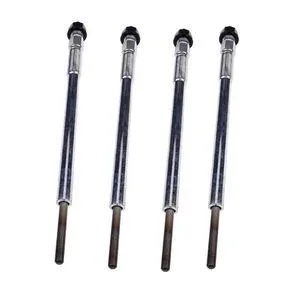
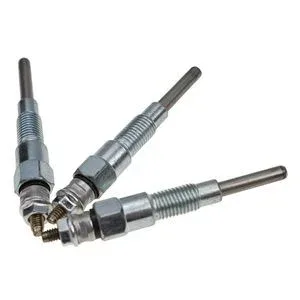
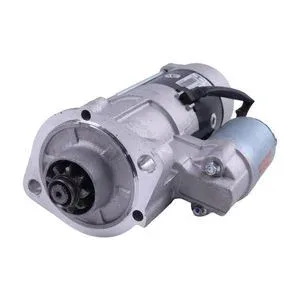
System-Matched Supply — Each 12V Fuel Stop Solenoid Valve 41-9100 ships with verified cross-reference documentation confirming compatibility across superseded part numbers and engine serial variants.
Technical Specifications
| Parameter |
Value |
| Part Number |
41-9100 |
| Product Type |
Stop Solenoid |
| Cross-Reference (reference only) |
419100, 419-100, 42-0100, 420100, 420-100, SA-4564, SA4564, 41-4306, 414306, 414-306, 417886, 417-886, TB-37-42-100, TB3742100, TON-42-100H, TON42100H, 1503ES-12SUC11S, 1503ES12SUC11S, 1503ES-12S5SUC11S, 1503ES12S5SUC11S, MPN0450, 42-1700, 421700 |
| Machine Fitment |
Thermo King TK2.49, TK3.74, TK3.88, TK3.95, TK4.82, TK4.82E, TK4.86, TK4.86E, TK4.86V, TK249, TK374, TK388, TK395, TK482, TK482E, TK486, TK486E, TK486V, SLXi Series, Spectrum Series, SB Series, T-Series, TS Series, Sentry II, SLX Series, SMX, Super II, TriPac APU, KD II, MD Series, RD Series, TD II, PRECEDENT Series, SL Series, SB I-III, SLXe Series, UTS |
| Voltage |
12V |
| Condition |
New Aftermarket |
| Operating Temperature |
-40°C to 80°C |
| Sealing Surface Tolerance |
0.01mm |
| Warranty |
3-12 months against manufacturing defects |
| Quality Standard |
ISO 9001 |
Application Suitability
| Engine System |
Related Components |
| Fuel Shutoff Control |
Fuel pump, fuel lines, injector return lines, control wiring harness |
| Engine Start/Stop Circuit |
Ignition relay, engine controller, wiring connectors, fuse block |
| Fuel Delivery |
Fuel filters, primer pump, fuel tank pickup, supply hoses |
| Engine Overhaul |
Gasket sets, fuel pump seals, mounting hardware, solenoid bracket |
When a Stop Solenoid Failure Is Not Really About the Solenoid
The failed solenoid is often the symptom, not the disease.
A 12V Fuel Stop Solenoid engine replacement arrives on the bench after the refrigeration unit refused to shut down, or worse, refused to start. In my São Paulo workshop, I have pulled solenoids that tested perfectly on the bench — the real fault was upstream in the control relay sending intermittent voltage, or a corroded connector dropping the signal below the coil's activation threshold. Replacing the solenoid without tracing the control circuit means the new unit will fail in the same way. [NEED_CITE: transport refrigeration electrical fault diagnosis procedures]
The fuel shutoff system sits at the intersection of electrical control and fuel delivery. When planning a repair around this 12V Fuel Stop Solenoid engine replacement, the diagnostic sequence must cover the full circuit before the new part goes on the engine.
The Fuel Shutoff System Within the TK Engine Architecture
This stop solenoid is the final gate in the fuel delivery path for Thermo King refrigeration engines. It receives a 12V signal from the engine controller and actuates a plunger that either opens or blocks fuel flow to the injection system. Adjacent components — the lift pump, primary and secondary fuel filters, and injector supply lines — all affect what the solenoid actually sees at its inlet port. If a clogged upstream filter causes fuel starvation, the engine may not start even with a fully functional solenoid. Every 12V Fuel Stop Solenoid engine replacement should trigger a review of the entire fuel path from tank to injector.
Engine Serial Variants and the Fitment Trap
Thermo King produced the TK engine family across decades with running changes to the electrical control system and solenoid mounting interface. Two engines carrying the same base model designation can have different coil resistance specifications, different connector pin counts, and different plunger stroke lengths. I once saw a repair stall for two days because the replacement solenoid matched the part number but had a connector pinout that did not align with the engine controller output — the new valve could not receive the shutdown signal. Cross-reference numbers such as 42-0100 and SA-4564 (for identification purposes) cover different production runs. [NEED_CITE: Thermo King engine serial variant documentation for solenoid interchange]
Reading the Specifications That Actually Matter
The 12V rating defines nominal operating voltage, but the coil must function across the voltage range the engine alternator produces under load and at idle. A coil specified too tightly may chatter at low idle voltage or overheat at peak charging voltage. The operating temperature range of -40°C to 80°C reflects the reality of transport refrigeration units working in frozen cargo environments and tropical idling conditions alike. The sealing surface tolerance of 0.01mm ensures the plunger seats cleanly against the fuel passage without leakage past the valve face, which would allow fuel to bypass the shutoff and let the engine run after the kill signal. These three parameters together define whether a 12V Fuel Stop Solenoid engine replacement will perform reliably in actual service conditions.

The Cost of Missing the Root Cause
Installing a new solenoid without diagnosing why the previous one failed creates a pattern of repeat visits. The coil burns out again because the control relay is sending overvoltage spikes. The plunger sticks because contaminated fuel is scoring the bore surface. The connector overheats because the wiring harness has frayed insulation causing intermittent shorts. Each repeat failure means another cold chain interruption, another cargo temperature excursion, another emergency dispatch to a truck parked on the roadside. [NEED_CITE: cold chain failure analysis from refrigeration unit electrical faults]
Why Source This Component Here
This stop solenoid ships under the same warranty whether produced on our own lines or sourced from qualified manufacturing partners. The eight product categories in our catalog mean fuel filters, gaskets, and wiring connectors for the same engine job can move on one invoice. Orders start from a single unit — no minimum blocking an emergency repair. The Guangzhou warehouse holds stock on high-turnover solenoid references for fast dispatch. Part identification works from the original number, the engine model, a photograph of the old unit, or the nameplate image. Our technical team verifies cross-reference coverage including superseded numbers like 41-4306 and 417886 before confirmation.
Documentation & Verification
- Commercial invoice listing solenoid part number, voltage rating, and applicable cross-references
- Compatibility sheet mapping 41-9100 against superseded and alternate numbers (reference only)
- Dimensional and electrical test record confirming coil resistance and plunger travel
- Warranty terms covering manufacturing defects for 3-12 months from delivery
- Packing photographs showing connector protection and moisture barrier before sealing
- HS code and customs classification support for transport refrigeration spare parts
Installation & Rebuild Sequence
- Verify engine serial number and coil voltage before unboxing the solenoid
- Clean the fuel passage mounting surface to prevent contamination entering the valve seat
- Match connector pin count and wire colors against the engine wiring diagram
- Torque mounting fasteners to specification to avoid distortion of the sealing face
- Cycle the solenoid electrically before reconnecting fuel lines to confirm plunger response
- Run the engine through three start-stop cycles checking for fuel weepage at the valve face
Request a System-Matched Quote
Provide your engine model, serial number, and any previous rebuild history so we can confirm the correct solenoid variant and identify other fuel system components that belong in the same repair package.
Frequently Asked Questions
Q: What other fuel system parts should be replaced alongside the stop solenoid?
A: Fuel filters, supply line seals, and the fuel pump gasket are commonly replaced during the same service event. If the solenoid failed due to contaminated fuel, the injector supply lines should also be flushed. Bundling these items in one shipment avoids a second teardown when the next scheduled filter change arrives.
Q: How do engine serial numbers affect solenoid fitment?
A: Thermo King introduced running changes to coil resistance, connector type, and plunger stroke across production runs. Two engines with the same base model can require different solenoid variants. Providing the engine serial number allows us to confirm the exact configuration rather than relying on model-level assumptions.
Q: Is solenoid failure the root cause or a symptom of another fault?
A: Frequently it is a symptom. Overvoltage from a failing control relay, fuel contamination scoring the plunger bore, or wiring harness degradation can all destroy a solenoid. We recommend tracing the control circuit and fuel quality before installing the replacement to prevent the same failure from recurring.
Q: What belongs in a complete fuel system overhaul kit for these engines?
A: A typical kit includes the stop solenoid, fuel pump seal set, primary and secondary filters, injector return line seals, and all mounting gaskets. The exact contents depend on engine serial variant and whether the engine has been previously rebuilt with oversize components.
Q: How do I confirm the correct voltage and coil specification?
A: The nominal 12V rating must match the engine alternator output range. Coil resistance can be measured with a multimeter on the old unit before removal. If the original solenoid is illegible, provide the engine model and serial number for verified cross-reference matching.