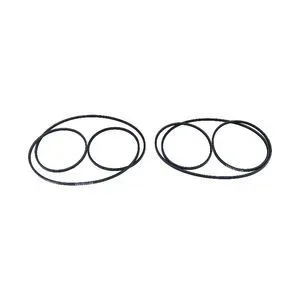
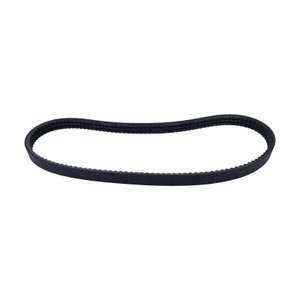
Matched Set Dispatch — Every belt in this 2-Pack is verified against OEM reference 113.21371 (cross-reference only) to fit Sears Craftsman 15 1/2" Drill Press motor variants without cross-checking multiple suppliers.
Technical Specifications
| Parameter |
Value |
| Part Number |
113.21371 |
| Product Type |
V-Belt |
| Cross-Reference |
113.21371, 11321371 (for identification purposes) |
| Machine Fitment |
Sears Craftsman 15 1/2" Drill Press |
| Packaging |
2-Pack |
| Condition |
New Aftermarket |
| Tensile Cord |
High-tensile polyester cord for continuous load stability |
| Compound |
Oil and heat resistant rubber compound |
| Belt Profile |
Classical V-Belt profile matched to OEM pulley groove |
Application Suitability
| Engine System |
Related Components |
| Belt Drive – Primary Power Transmission |
Motor pulley, spindle pulley, idler bracket |
| Belt Drive – Tensioning Assembly |
Tensioner spring, pivot bushing, adjustment bolt |
| Accessory Drive – Cooling & Lubrication |
Spindle bearing seals, motor fan shroud |
Why the Belt Drive Fails Again Right After Replacement
The belt is the symptom; the pulley or tensioner is usually the root cause.
In workshops across the Yangtze River Delta manufacturing belt, I have seen too many Sears Craftsman drill presses come back with a snapped belt just weeks after a replacement. The technician swapped the worn belt but never checked whether the tensioner pivot was seized or the motor pulley groove was polished smooth from years of slip. A new V-Belt engine belt drive replacement installed over a glazed pulley will chirp, overheat, and fail in a fraction of its expected service life [NEED_CITE: belt drive system failure root cause analysis for stationary shop equipment]. Treating the belt as a standalone consumable rather than part of a system is the most common reason repair jobs repeat.

Belt Drive System Context for Drill Press Service
This V-Belt sits at the heart of the drill press power transmission path, transferring torque from the motor shaft to the spindle assembly. When the belt compound degrades or the tensile cords stretch beyond tolerance, the spindle loses speed under cutting load, producing oversized holes and poor surface finish on metal workpieces. The 2-Pack configuration provides one belt for immediate installation and a second held as an emergency spare on the shop floor, eliminating the wait for a single replacement when the next failure occurs. Keeping a matched V-Belt engine belt drive replacement on the shelf means the machine is back in service within minutes rather than days.
Tension Verification and Adjacent Component Inspection
Before fitting either belt from this 2-Pack, the motor mount pivot and tensioner spring must move freely through their full adjustment range. A seized pivot forces the operator to over-tighten the belt, accelerating sidewall wear and loading the spindle bearings with radial force they were not designed to carry [NEED_CITE: radial load effects on spindle bearings from over-tensioned belt drives]. Check the pulley grooves for a polished or concave wear pattern; a worn groove will not grip the belt flank correctly even at proper tension. Confirm the motor fan and shroud are clear of debris, since heat buildup in the motor compartment accelerates belt compound hardening and crack formation.
Reading the Specification Sheet for Belt Drive Fitment
The classical V-profile must match the pulley groove angle precisely; a belt that rides too high in the groove will slip under load, while one that bottoms out loses flank contact and transmits less torque. The oil and heat resistant compound is formulated for workshop environments where cutting fluid mist and elevated motor casing temperatures are constant. High-tensile polyester cords maintain length stability across thousands of start-stop cycles, preventing the gradual slackening that forces frequent re-tensioning. Proper V-Belt engine belt drive replacement selection depends on matching these three parameters — profile, compound, and cord construction — to the specific motor variant in your drill press.
The Cost of Ignoring the Tensioner During Belt Service
Replacing only the belt while leaving a fatigued tensioner spring or a worn idler bushing in place sets up the new belt for premature failure. The uneven tension causes one flank to wear faster, producing vibration that migrates into the spindle bearings and eventually the quill assembly. Each repeat failure means another machine downtime event, another lost production hour, and another belt pulled from stock. Shops that inspect the full belt drive path during every V-Belt engine belt drive replacement reduce repeat visits and keep their drill presses running through long production runs [NEED_CITE: preventive maintenance intervals for belt-driven stationary machinery].
Why Source This Belt Through Our Counter
Our own production lines and qualified sourced partners operate under a single warranty, so whether this 2-Pack comes from our facility or a certified partner, the QC terms are identical. We stock eight equipment part categories under one account, letting you add spindle bearings, seal kits, and electrical components to the same order. One-piece minimum means a single emergency 2-Pack ships without waiting to build a larger order. Our technical team cross-references your drill press motor variant against OEM reference numbers to confirm the correct belt profile before dispatch. Sample supply is available so you can verify fitment on your machine before committing to a bulk quantity for fleet maintenance stock.
Documentation & Verification
- Commercial invoice listing part number 113.21371 and 2-Pack quantity for customs clearance
- Cross-reference sheet mapping 11321371 alternate number (reference only) to your motor variant
- Dimensional inspection record confirming belt profile and length tolerance before dispatch
- Warranty terms covering manufacturing defects on both belts in the package
- Packing photographs showing sealed packaging and label detail prior to crate closure
- HS code and export documentation support for international workshop and distributor accounts
Installation & Rebuild Sequence
- Clean pulley grooves with solvent and a wire brush before fitting the new V-Belt to remove rubber residue and oxidation
- Verify motor mount pivot moves freely and tensioner spring returns to full extension without binding
- Seat the belt fully in both motor and spindle pulleys, then apply tension until mid-span deflection meets specification
- Run the drill press at lowest speed for several minutes and check for chirping or uneven tracking
- Re-check tension after the initial run-in period, as new tensile cords may settle slightly during first use
Request a Fitment Confirmation
Send us your drill press model plate photograph or motor serial number along with any previous belt part numbers you have on record. Our team will confirm whether this 113.21371 V-Belt matches your specific motor variant and advise on any adjacent belt drive components worth inspecting during the swap. For fleet maintenance programs stocking multiple machines, provide your equipment list and we will map each unit to the correct belt specification.
Frequently Asked Questions
Q: How do I confirm this V-Belt matches my drill press motor variant?
A: Provide the full machine model number from the nameplate and, if visible, the motor frame designation. We cross-reference OEM number 113.21371 (for identification purposes) against your specific variant to confirm pulley groove profile and belt length before shipping. Photographs of the old belt label or the pulley assembly help speed up verification when the nameplate is worn or painted over.
Q: What other belt drive components should I inspect during replacement?
A: Check the tensioner spring for fatigue and the pivot bushing for free movement. Inspect both motor and spindle pulley grooves for concave wear or glazing. Examine the motor mount bolts for looseness that could allow the motor to shift under load. Addressing these items during your V-Belt engine belt drive replacement prevents the new belt from failing prematurely.
Q: Does the 2-Pack include different sizes or identical belts?
A: Both belts in the 2-Pack are identical, matched to OEM reference 113.21371. One is intended for immediate installation and the second serves as an on-shelf spare so your workshop can respond to the next failure without waiting for delivery. This keeps your Sears Craftsman drill press in service with minimal interruption.
Q: What causes premature belt failure in drill press applications?
A: Common causes include a seized tensioner pivot forcing over-tightening, worn pulley grooves that allow the belt to slip and overheat, and cutting fluid mist degrading non-resistant compounds. Heat buildup from a blocked motor fan shroud also accelerates hardening. Identifying and correcting the root cause during V-Belt engine belt drive replacement extends service life meaningfully.
Q: How do I verify proper belt tension after installation?
A: Apply moderate thumb pressure at the midpoint of the longest unsupported belt span. The deflection should be slight but perceptible; excessive play indicates under-tension, while zero movement means over-tension that will load spindle bearings. Run the machine and listen for chirping, which signals slip from insufficient tension or glazed pulley surfaces.