System-Matched Rebuild — Engine front-end drive components verified against Bobcat engine serial variants before dispatch.
Technical Specifications
| Parameter |
Value |
| Product Type |
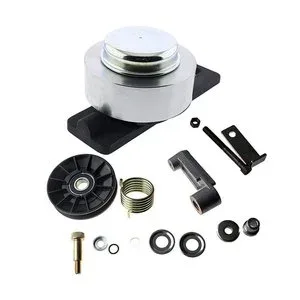
Belt Tensioner & Fan Pulley Kit |
| Part Number |
6735884, 6662997 |
| Cross-Reference |
6735884, 6662997 (reference only) |
| Machine Fitment |
Bobcat 653, 751, 753, 763, 773, 7753, S130, S150, S160, S175, S185, S205, T140, T180, T190 |
| Tensioner Arm Material |
High-carbon steel (AISI 1045), heat-treated to 45–50 HRC |
| Bearing Type |
Sealed double-row ball bearings (6203-2RS) |
| Pulley Hub Concentricity |
CNC-machined within ±0.05 mm |
| Operating Temperature Range |
–20°C to +90°C |
| Service Life |
Beyond 1,800 operating hours |
| Condition |
New Aftermarket |
| Warranty |
3–12 months against manufacturing defects |
| Quality Standards |
ISO 9001, ISO 2858, SAE J1926 |
Application Suitability
| Engine System |
Related Components |
| Auxiliary drive assembly |
Drive belt, idler pulleys, fan clutch |
| Cooling system front-end |
Cooling fan, fan shroud alignment hardware |
| Charging and hydraulic drive |
Alternator belt routing, hydraulic pump pulley |
| Engine overhaul front cover |
Front seal, gasket set, tensioner mounting bolts |
When a Tensioner Fails Again Within Weeks
The root cause usually lives in the surrounding system, not the tensioner itself.
I have walked onto sites in Latin American mining regions where a freshly replaced belt tensioner snapped its arm or shed its bearing within a month. The worn belt stayed in place. The cooling fan pulley had visible runout that nobody measured. The alternator pulley was wobbling on a fatigued shaft. Replacing one component in a matched drive system while ignoring adjacent wear points guarantees a repeat visit to the same engine bay [NEED_CITE: engine auxiliary drive system diagnostic procedures for skid steer loaders]. A proper drive belt tensioner kit engine rebuild approach addresses every wear surface the belt contacts.

The Tensioner Lives Inside a Matched Drive Loop
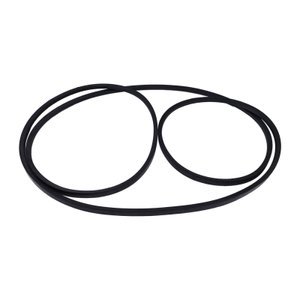
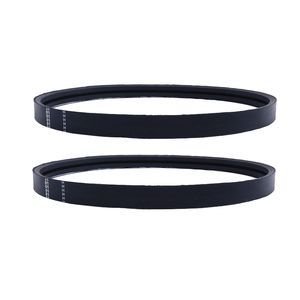
The belt tensioner and cooling fan pulley do not work alone. They form a closed loop with the drive belt, idler pulleys, crankshaft pulley, and the accessories they drive. When any single element in that loop carries abnormal runout or wear, the load transfers to the next weakest component. A drive belt tensioner kit engine rebuild must account for this loop. Replacing the tensioner while leaving a glazed belt or a scored fan pulley in service shifts the failure point rather than eliminating it.
Engine Serial Variants Change the Pulley Configuration
Bobcat S-series and T-series skid steers share model designations across multiple engine builds, and the pulley configuration can differ between early and late serial ranges within the same model. The mounting boss depth, the bolt circle diameter on the fan pulley, and the tensioner arm pivot orientation may all shift between variants. Confirming the engine serial number against the cross-reference numbers 6735884 and 6662997 (for identification purposes) rules out ordering a kit that physically bolts on but misaligns the belt track by enough to cause edge wear [NEED_CITE: Bobcat skid steer engine serial variant identification for auxiliary drive components].
What the Specification Sheet Actually Means in the Engine Bay
The AISI 1045 high-carbon steel tensioner arm, heat-treated to 45–50 HRC, resists the cyclic bending loads that crack softer arms at the pivot bore. In a skid steer engine bay where ambient temperature already sits high and vibration from the loader frame transmits directly through the mounts, arm fatigue is the primary failure mode. The sealed double-row 6203-2RS bearings carry both radial belt load and axial misalignment forces without letting contamination reach the raceways. Pulley hub concentricity held to ±0.05 mm means the belt tracks without hunting side to side, which directly controls how fast the belt edges degrade. These three parameters together determine whether the kit survives past the first service interval or comes back apart at the first heat cycle.
The Cost of Skipping the System Check
An engine rebuild shop that installs a new tensioner without measuring fan pulley runout or checking the belt for cord damage often sees the machine return with a shredded belt or a seized tensioner bearing. The labor to pull the front cover a second time exceeds the cost of the full kit. Worse, a belt failure on a skid steer working in a demolition site or quarry can leave the machine stranded in an unsafe position [NEED_CITE: mobile equipment belt drive failure consequences in confined work sites]. The pattern repeats: single-component replacement in a matched system creates a cascade of secondary failures.
Why Sourcing This Kit Through XUNPO Reduces Rebuild Risk
XUNPO produces selected part lines in-house and sources the remainder from ISO-certified manufacturing partners, both covered under the same warranty terms. The eight product categories mean the drive belt, front cover gasket set, and idler pulleys ship under one account with one consignment. The minimum order starts at one piece, so a single engine rebuild is not blocked by quantity requirements. Part identification works from the part number, the machine model, or a photograph of the nameplate when paint or wear has obscured the stamping. Cross-reference verification covers superseded and alternate numbers so the kit matches the specific engine build. A sample ships ahead of bulk commitment for fitment confirmation on the bench before the full order goes into the engine bay.
Documentation & Verification
- Commercial invoice and packing list itemizing each kit component by reference number
- Part compatibility sheet confirming engine serial variant match for 6735884 and 6662997 (reference only)
- Dimensional inspection record covering pivot torque, spring force, and pulley runout
- Warranty terms covering manufacturing defects for the stated coverage period
- Packing photographs showing protective wrapping on bearing surfaces before carton closure
- HS code and customs classification support for international engine parts shipments
Installation & Rebuild Sequence
- Clean the front cover mating surface and tensioner mounting boss before fitting the new arm to prevent misalignment from trapped debris
- Measure fan pulley runout with a dial indicator and replace the pulley if it exceeds the service manual tolerance
- Route the drive belt according to the factory diagram and confirm the tensioner arm sits within the marked operating range
- Torque the tensioner pivot bolt and fan pulley retaining fastener to specification and recheck after the first heat cycle
Requesting the Correct Kit for Your Engine
Provide the engine model, serial number, and any previous rebuild history so the correct pulley variant and tensioner arm configuration can be confirmed against the cross-reference. If the nameplate is missing or illegible, a photograph of the existing tensioner and fan pulley assembly allows dimensional identification before the order is placed.
Frequently Asked Questions
Q: What other components should be replaced together with the belt tensioner in the engine drive system?
A: The drive belt, idler pulleys, and cooling fan pulley should all be inspected and typically replaced as a set. Belt glazing, idler bearing play, and fan pulley runout each transfer abnormal load to the new tensioner. Addressing the full auxiliary drive loop during one rebuild cycle prevents repeat disassembly.
Q: How do engine serial variants within the same Bobcat model affect which tensioner kit is correct?
A: Bobcat S-series and T-series machines may use different engine builds across production years, changing pulley bolt patterns, tensioner pivot orientation, or arm length. Providing the engine serial number allows verification that the kit matches the specific build rather than relying on the machine model alone.
Q: Does the kit include everything needed, or are there additional seals or fasteners required for the specific engine build?
A: The kit covers the tensioner assembly and cooling fan pulley. Mounting bolts, front cover gaskets, and the drive belt itself may need to be ordered separately depending on the engine variant. Confirming the engine serial number at the time of order ensures all required items are identified before the rebuild begins.
Q: How do I confirm whether 6735884 or 6662997 is the correct cross-reference for my machine?
A: Both numbers serve as interchange references for identification purposes. The correct match depends on the engine serial range and the original pulley configuration. Sending the existing part number, a photograph of the old assembly, or the engine data plate allows the technical team to confirm which reference applies to your specific build.
Q: Can I order a sample to verify fitment before committing to a bulk engine rebuild order?
A: A single sample kit ships for bench fitment against the engine front cover and adjacent pulleys. This confirms bolt alignment, belt track position, and tensioner arm range before the bulk order is released for fleet-level rebuild programs.