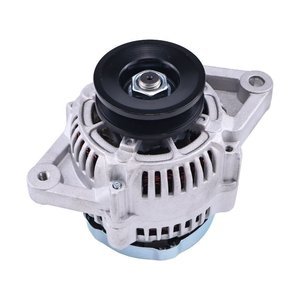
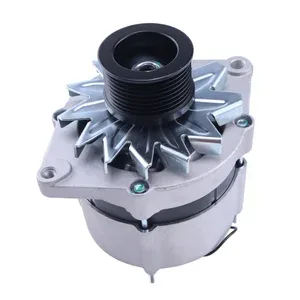
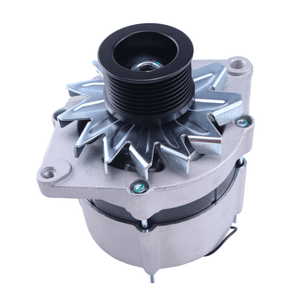
System-Matched Alternator Assembly — Voltage regulator pairing verified against Genesis engine serial variants to prevent repeat electrical failures in Carrier transport refrigeration units.
Technical Specifications
| Parameter |
Value |
| Part Number |
30-00423-00 |
| Product Type |
Alternator |
| Cross-Reference |
30-00423-00, 30-00409-64, 30-00363-00, 30-00363-04, 30-00409-02, 30-00409-06, 30-00409-07, 30-00409-08, 30-00409-10, 30-00409-19, 30-00409-65, 30-00423-60, 30-01114-06, 30-01151-00, 30-01114-03, LS17139, 4702601, A1737B, 4702610, 4702611, 4702603, 93105 (for identification purposes) |
| Machine Fitment |
Carrier CT2-29TV, CT3-44TV, CT3/69TV, Genesis R70, Genesis R90, Genesis TM800, Genesis TM900, Extra XT, Ultima XTC, Maxima 1000, Maxima 1200, Maxima 1200 MT, Maxima 1300, Maxima 1550, Maxima 1300 MT, ULTRA XL, ULTRA XTC, ULTRA XT, X2 1800, X2 2100, X2 2100A, X2 2100R, X2 2500A, X2 2500R |
| Voltage |
12V |
| Condition |
New Aftermarket |
| Operating Temperature |
-40°C to +85°C |
| Warranty |
3-12 months against manufacturing defects |
| Standard |
ISO 9001 |
Application Suitability
| Engine System |
Related Components |
| Charging and Electrical Generation |
Voltage regulator, belt drive assembly, pulley and tensioner |
| Compressor Motor Power Supply |
Wiring harness connectors, relay circuits, control board fuses |
| Engine Auxiliary Drive |
Serpentine belt, mounting bracket hardware, isolation bushings |
Why the Same Carrier Part Number Ships in Multiple Electrical Variants
A 12V alternator for Carrier engine applications must match the specific Genesis or Maxima engine serial range, or the charging system will either underperform or destroy downstream electronics.
Fleet maintenance teams discover too late that Carrier alternator reference numbers have been superseded across machine generations. The base casting looks identical, but internal winding ratios and regulator communication protocols differ between a Genesis R70 and an X2 2500R. Installing the wrong variant means the compressor clutch cycles erratically, the control board receives unstable voltage, and temperature logs show unexplained excursions [NEED_CITE: transport refrigeration electrical system fault diagnostics]. The machine keeps running just poorly enough that the root cause gets blamed on the controller instead of the charging source.

The Charging System Within Carrier Transport Refrigeration Engines
This alternator sits inside the engine auxiliary electrical system that powers the entire refrigeration cycle. The compressor clutch, condenser fans, evaporator blowers, and microprocessor controller all draw from the bus that this 12V alternator for Carrier engine platforms maintains. When the alternator output sags during compressor startup, the controller resets and the setpoint temperature drifts. Matching the correct unit to your specific Carrier engine serial variant ensures the electrical load profile aligns with the alternator's sustained output capacity.
Serial Variants, Superseded Numbers, and What to Verify Before Ordering
Carrier has issued numerous alternator reference numbers across the CT2, CT3, Genesis, Maxima, Ultra, and X2 families. Numbers such as 30-00409-64, 30-00363-00, and 30-01114-06 may appear interchangeable on generic cross-reference tables, but each corresponds to a specific production batch with distinct regulator calibration and pulley configuration [NEED_CITE: Carrier alternator interchange reference verification]. Confirm your engine model, serial number, and the physical connector type on your existing unit. The mounting flange pattern, terminal post orientation, and pulley groove count must all match for a 12V Alternator 30-00423-00 compatible replacement to install correctly and regulate properly.
Output Stability Under Refrigeration Compressor Load
The 12V output specification governs nominal bus voltage, but the critical parameter is how the alternator sustains that voltage during compressor clutch engagement. Transport refrigeration compressors impose a sharp inrush current each time the clutch cycles, and the alternator must recover the bus voltage within milliseconds to prevent controller brownouts. The operating temperature range of -40°C to +85°C reflects the unit's ability to maintain rectifier diode integrity and regulator function across cold-chain ambient extremes. A Carrier alternator rebuild that ignores the thermal cycling history of the rectifier stack will produce acceptable voltage at bench test but fail under sustained high-ambient load [NEED_CITE: alternator thermal cycling and diode degradation in mobile applications].
The Cost of Ignoring the Voltage Regulator During Alternator Replacement
Swapping the alternator without inspecting the paired voltage regulator is the most common cause of repeat failure in Carrier refrigeration charging systems. A worn regulator allows overvoltage spikes that degrade the new alternator's rectifier within weeks, while an under-regulating unit causes chronic undercharge that sulfates the battery and starves the compressor clutch. The fleet I previously managed burned through three alternators on a single CT2-29TV before tracing the fault to a regulator that had drifted out of specification. Treating the alternator as an isolated component instead of part of a matched charging set guarantees the problem returns [NEED_CITE: matched alternator and regulator pairing in mobile charging systems].
Sourcing Alternators With Verified Engine Serial Matching
Our own production lines and qualified sourced supply carry the same quality inspection and warranty terms, consolidated under one account. The eight engine system categories — from belt drive and cylinder components through fuel, lubrication, cooling, and electrical — ship as a single consignment so your complete overhaul list arrives together. We accept orders from a single unit upward, eliminating minimum order barriers for emergency replacements. Our technical team verifies cross-reference applicability against your engine serial number and model plate, including superseded and alternate numbers. Samples are available for fitment confirmation before you commit to bulk quantities across your fleet.
Documentation & Verification
- Commercial invoice and packing list itemized by alternator reference number and engine model
- Part compatibility and cross-reference sheet marked as reference only for identification purposes
- Quality inspection record covering output voltage, ripple current, and regulator response
- Warranty terms specifying coverage period against manufacturing defects
- Packing photographs showing terminal protection and pulley surface condition before crate closure
- HS code and customs documentation support for international cold-chain equipment shipments
Installation & Rebuild Sequence
- Inspect the voltage regulator and wiring harness connectors before mounting the new alternator to prevent inherited faults
- Verify pulley groove count and belt alignment against the existing belt drive assembly specification
- Torque mounting flange bolts to the Carrier engine service manual sequence to avoid housing distortion
- Perform a loaded output test with the compressor clutch engaged to confirm voltage recovery under refrigeration demand
- Log initial run hours and bus voltage readings to establish a baseline for the next scheduled inspection interval
Request a Compatibility Confirmation
Provide your Carrier engine model, serial number, and any legible markings from your existing alternator nameplate. Our technical team will cross-reference the applicable part number variant and confirm the regulator pairing, pulley specification, and connector layout for your specific unit. If you are quoting a fleet-level refresh or refrigeration equipment overhaul, include the full engine list so we can consolidate matched alternator and auxiliary electrical components into one shipment.
Frequently Asked Questions
Q: Which cross-reference number applies to my specific Carrier engine model?
A: The base designation covers multiple superseded numbers across different Carrier engine generations and production batches. Provide your engine model, serial number, and the markings on your current alternator. Our technical team will verify the correct interchange reference and confirm that the regulator calibration, pulley configuration, and connector type match your specific machine before shipment.
Q: What other components should I inspect when replacing this alternator?
A: The voltage regulator, belt tensioner, wiring harness connectors, and battery condition all affect charging system performance. A worn regulator or high-resistance connector will cause the new alternator to fail prematurely. We recommend inspecting and replacing matched components as a set to ensure the entire electrical generation system operates within specification after the repair.
Q: Are alternators from different production years of the same Carrier model interchangeable?
A: Not always. Carrier has revised alternator specifications across model years, changing regulator protocols, pulley groove counts, and connector layouts even when the external casting appears identical. Always verify compatibility using the engine serial number rather than relying on model year alone to avoid fitment issues and electrical system damage.
Q: How does compressor startup current affect alternator selection?
A: Transport refrigeration compressors draw significant inrush current each time the clutch engages. The alternator must sustain stable bus voltage through these transient loads to prevent controller resets and temperature excursions. Selecting a unit matched to your engine's specific electrical load profile ensures reliable operation under continuous refrigeration cycling conditions.